Call Us Today 817-737-7668


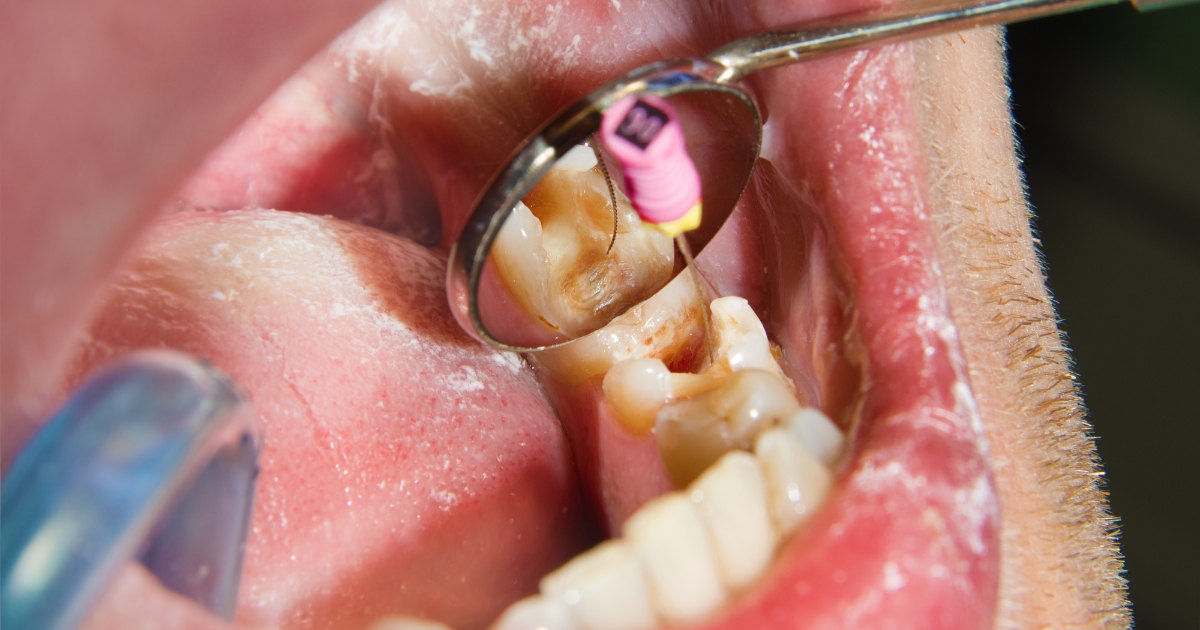
Endodontic procedures, such as root canals, are essential treatments for saving damaged or infected teeth. These procedures are designed to clean the tooth, extract the infected pulp, and seal it to avoid any more issues. While the treatment itself is effective, the recovery procedure is essential in guaranteeing long-term success. Patients often experience some discomfort after an endodontic procedure, which is entirely normal. In this blog, we’ll explore some fundamental dos and don’ts to follow during the recovery period. These above-mentioned tips will help you manage pain, reduce complications, and promote faster healing so you can return to your daily routine with full confidence.
What to Expect During Healing?
After an endodontic procedure, your body begins a natural healing process. The first few days are typically marked by some inflammation and tenderness in the treated area. This is your body’s way of responding to the treatment and starting the healing process. The intensity of these symptoms can vary based on the complexity of the procedure and your overall oral health.
Factors such as the size of the infection, how long it was left untreated, and the location of the tooth can all influence recovery time. For example, a front tooth may heal faster than a molar due to its smaller size and less complex root system. It’s also important to note that your adherence to post-procedure care guidelines can impact the healing process. By following the right recovery practices, you can help ensure a smooth and complication-free recovery.
Dos For Optimal Recovery
- Rest and Relaxation: After undergoing endodontic procedures in Mansfield, it’s important to take it easy for a few days. Steer clear of demanding activities and give your body time to recover. Your immune system can concentrate on healing the treated area when you are sleeping.
- Over-the-Counter Pain Relief: Mild pain and discomfort are common after an endodontic procedure. Over-the-counter pain relievers, such as ibuprofen or acetaminophen, can also help manage these symptoms. Observe the package’s suggested dosage, or else consult your endodontist in Mansfield for advice on pain management.
- Cold Compress: Using a cold compress, apply pressure on the outer part of your cheek, close to the treated tooth. Use the compress for 15-20 minutes at a time, with breaks in between, during the first 24 hours after the procedure.
- Oral Hygiene: Keeping your mouth clean plays a vital role during recovery. Continue brushing your teeth, but be gentle around the treated area. Avoid forceful rinsing and use a toothbrush with soft bristles or using mouthwash for the first day. Following the first twenty-four hours, you can rinse your mouth with a gentle saltwater solution to help reduce inflammation.
- Diet: Stick to a soft food diet in the days following your procedure. Foods like yogurt, mashed potatoes, and smoothies are good options. Steer clear of anything hot, spicy, or acidic that can bother the treated area. It’s also wise to avoid chewing on the side of your mouth where the procedure was performed.
- Follow-up Appointments: Don’t skip your follow-up appointments. These visits are essential for your endodontist should keep an eye on your recuperation and make sure everything is moving forward as expected. Any potential issues can be addressed early, preventing complications down the line.
Don’ts After Endodontic Treatment
- Smoking: Smoking can significantly hinder the healing process. It lessens blood flow to the gums and can increase the risk of infection. It’s best to avoid smoking for at least a few days after your procedure, if not longer.
- Excessive Physical Activity: Avoid heavy lifting, intense exercise, or any activity that raises your heart rate for the first few days. Blood flow can rise in response to physical activity in the treated area, leading to prolonged bleeding or swelling.
- Ignoring Pain: While some discomfort is normal, persistent or severe pain is not. If your pain increases instead of decreasing, or if you notice signs of infection such as fever or excessive swelling, contact your endodontist immediately.
- Chewing on the Affected Side: Avoid putting pressure on the treated tooth by chewing on the opposite side of your mouth. Chewing on the affected side can lead to pain and may even cause damage to the healing tooth.
- Skipping Follow-up Appointments: Missing your follow-up appointments can lead to undetected complications. These visits allow your endodontist to check that the tooth is healing properly and that there are no signs of infection or other issues.
Common Concerns and Misconceptions
It’s common for patients to have concerns and questions after undergoing endodontic procedures. One common misconception is that pain should be entirely absent after the procedure. While the goal is to alleviate the pain caused by the infection, some residual discomfort is expected as your body heals.
Another concern is the belief that once a root canal is performed, the tooth is fully protected from future issues. However, it’s still important to care for the treated tooth with good oral hygiene and regular dental check-ups.
Some patients also worry about the tooth’s strength after the procedure. While the tooth may be more fragile initially, the placement of a crown can restore its strength and functionality.
Your Path to Complete Recovery
Recovering from an endodontic procedure doesn’t have to be daunting. By adhering to the advice provided in this blog’s dos and don’ts, you can support your body’s healing process and minimize the risk of complications. Take rest, practice proper dental care, and adhere to your endodontist’s advice for a smooth recovery. With the right care, you’ll be back to enjoying a healthy, pain-free smile in no time. Do not hesitate to ask your dentist for advice if you have any concerns while you are recovering.