Call Us Today 817-737-7668

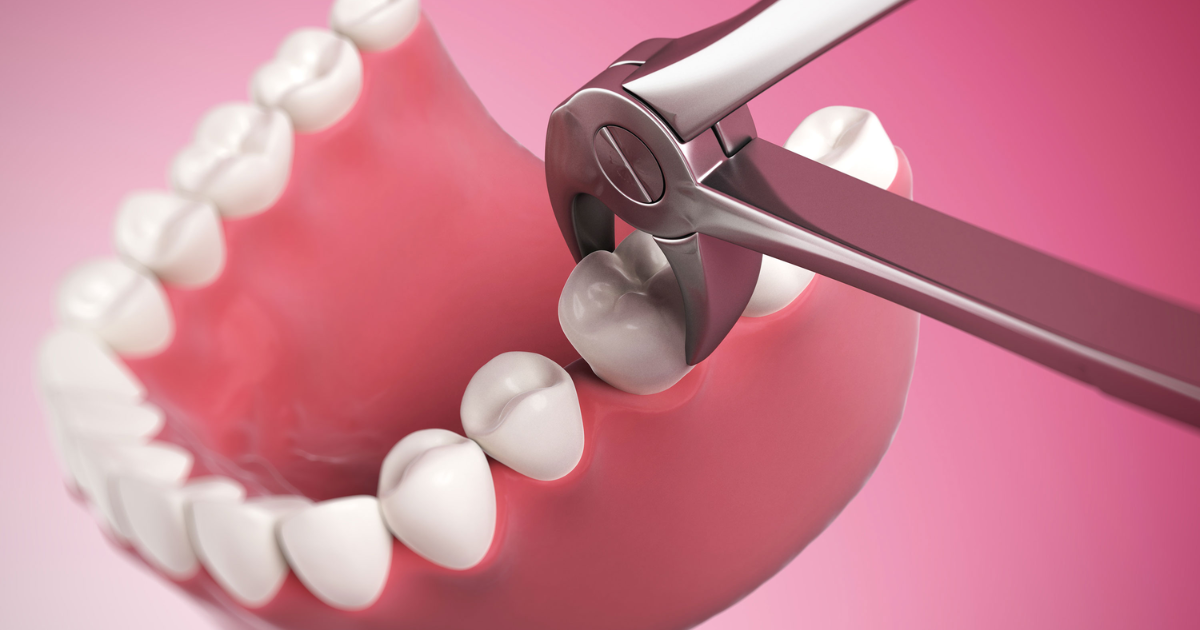
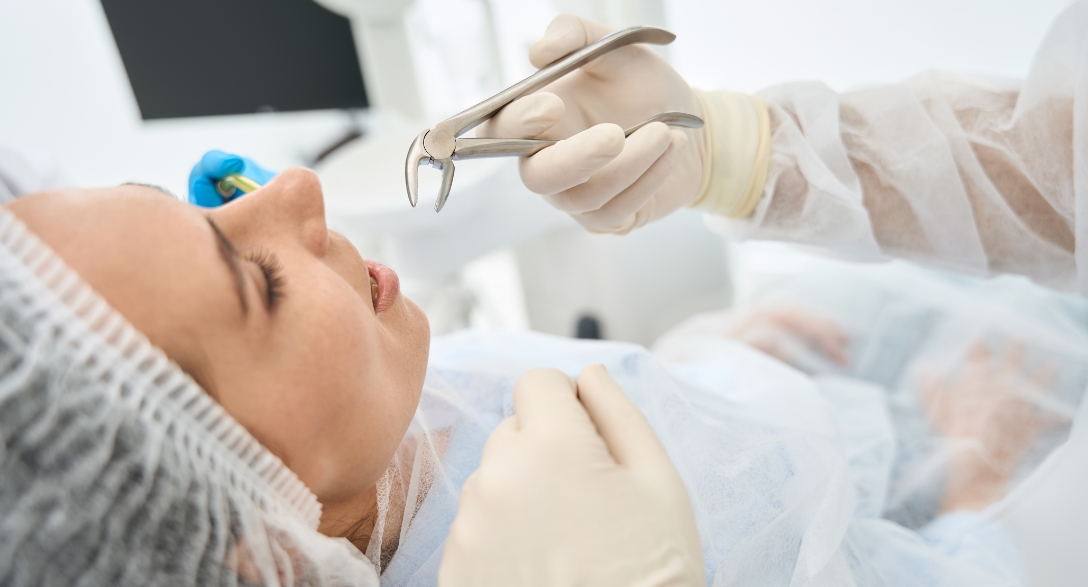
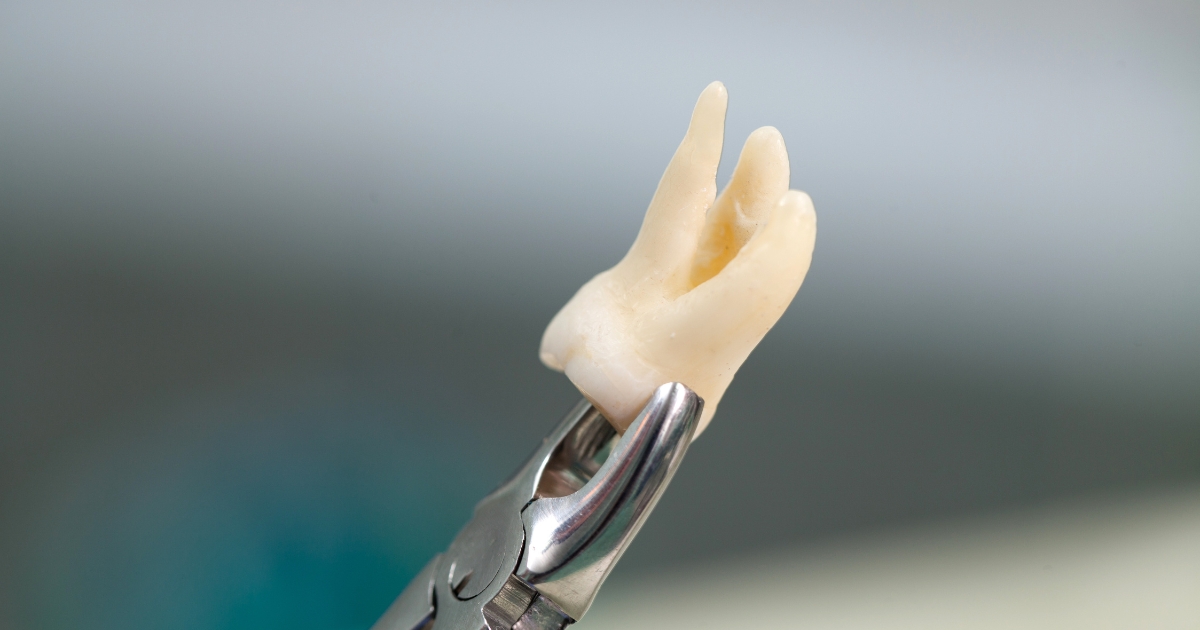
Dental health is an important aspect of overall well-being, and maintaining your natural teeth is often the best option for long-term health. Tooth extraction, although sometimes necessary, can lead to additional complications, such as changes in bite alignment and the need for further restorative procedures. Here comes the role of pulp regeneration. It is an advanced dental treatment that offers a promising alternative to tooth extraction. This procedure focuses on revitalizing the dental pulp, which forms the inner tissue of the tooth containing nerves and blood vessels. By rejuvenating this vital tissue, pulp regeneration helps preserve the tooth and support ongoing oral health.
In this blog, we’ll explore how this procedure works, its benefits, and why consulting an endodontist is crucial.
What is Pulp Regeneration?
Pulp regeneration is a procedure designed to restore the health of the dental pulp, which is the deepest section of the tooth with nerves and blood vessels. When this pulp becomes damaged due to decay, trauma, or infection, the tooth can become vulnerable to further issues. Traditionally, this would often lead to tooth extraction, but pulp regeneration offers a chance to save the tooth and improve its health.
How Pulp Regeneration Works?
- Assessment and Diagnosis: The very first step consists of a thorough examination by your dentist or endodontist. They will assess the extent of pulp damage using X-rays and clinical tests to determine if pulp regeneration is a suitable option.
- Cleaning and Disinfection: If pulp regeneration is viable, the next step is to clean and disinfect the root canals. This process removes any infected or dead tissue to prepare the tooth for regeneration.
- Stimulating New Tissue Growth: After cleaning, a special material is placed inside the root canal. This material helps stimulate the growth of new, healthy pulp tissue. The objective is to encourage the body’s natural healing processes to restore the tooth’s vitality.
- Sealing the Tooth: Once new tissue begins to form, the tooth is sealed with a permanent filling. This helps protect the newly regenerated pulp and prevents future infections.
Benefits of Pulp Regeneration
- Avoids Extraction: One of the most significant benefits of pulp regeneration is that it can prevent the need for tooth extraction. By restoring the health of the dental pulp, you can keep your natural tooth and avoid more invasive procedures.
- Maintains Tooth Structure: Regenerating the pulp helps maintain the tooth’s structure and function. This can be particularly important for chewing and overall oral health.
- Improves Tooth Longevity: With proper care, a tooth that undergoes pulp regeneration can last many years, contributing to long-term oral health and function.
- Reduces Pain and Sensitivity: Pulp regeneration can alleviate pain and sensitivity associated with pulp damage. By restoring the tooth’s health, you can enjoy a more comfortable and functional tooth.
When to Consider Pulp Regeneration
Pulp regeneration is not suitable for every situation. Here are some factors when you can consider pulp regeneration in Aledo:
- Extent of Damage: Pulp regeneration is typically recommended for cases where there is enough healthy tooth structure remaining. Severe damage or decay may limit the effectiveness of the procedure.
- Presence of Infection: If there is a significant infection, additional treatments may be needed before pulp regeneration can be performed. Your dentist or endodontist will evaluate whether the infection can be controlled and if pulp regeneration is appropriate.
- Patient Health: Overall health and oral hygiene play a role in the success of pulp regeneration. To achieve the best possible outcome, you must practice good dental hygiene and follow your dentist’s advice.
Maintaining Oral Health After Pulp Regeneration
After undergoing pulp regeneration, maintaining good oral health is crucial. Here are some tips to help you keep your teeth and gums healthy:
- Practice Good Oral Hygiene: Brush your teeth with fluoride toothpaste twice a day and floss every day. This helps prevent future decay and infection.
- Regular Check-Ups: Plan routine dental examinations to keep an eye on the condition of your regenerated tooth and overall oral health. Your dentist can identify any issues beforehand and provide timely treatment.
- Avoid Hard Foods: To protect your regenerated tooth, Steer clear of utilizing your teeth or chewing on hard foods to open packages. This can guarantee the durability of your restoration and assist prevent harm.
- Stay Hydrated: Drinking plenty of water can help maintain a healthy mouth and support overall oral health.
Pulp regeneration is a valuable option for preventing tooth extraction and maintaining oral health. By restoring the health of the dental pulp, this procedure can help you keep your natural tooth and avoid more invasive treatments. If you’re considering pulp regeneration, consulting a knowledgeable endodontist in Aledo can provide you with personalized advice and ensure the best possible outcome. Remember, good oral hygiene and regular dental visits are key to preserving your regenerated tooth and overall dental health.