Call Us Today 817-737-7668

Endodontic surgery, often referred to as root-end surgery or apicoectomy, is a procedure aimed at treating infections or problems in the root of a tooth. This type of surgery is typically recommended when conventional root canal treatments fail.
Proper post-surgery care is crucial for a smooth recovery and to ensure the success of the procedure. By following the right care practices, you can help reduce the risk of complications, manage discomfort, and support the healing process.
Taking these steps seriously will aid in a quicker and more comfortable recovery, allowing you to return to normal activities with confidence.
Understanding Endodontic Surgery
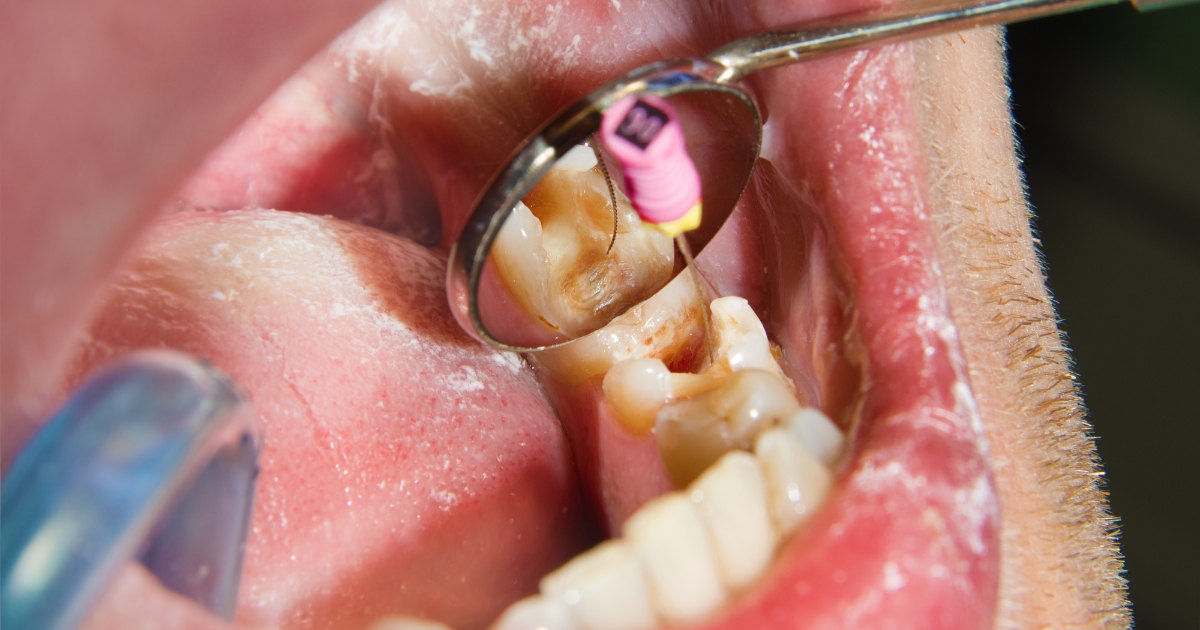
Endodontic surgery in Waco is a specialized procedure designed to address issues within the root of a tooth that a standard root canal treatment cannot resolve. This type of surgery involves making a small incision in the gum to access the root of the affected tooth, cleaning out any infection or damaged tissue, and sealing the area to prevent future problems.
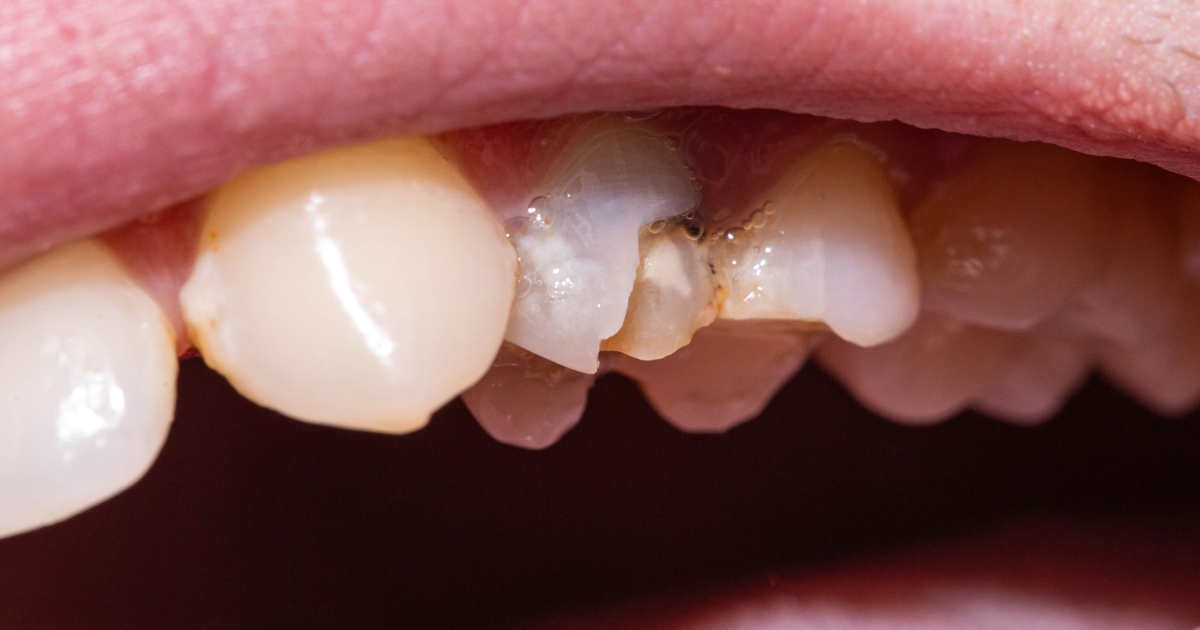
Common reasons for undergoing this surgery include persistent infection despite previous root canal treatments, the presence of cysts or abscesses around the tooth root, or anatomical issues that make conventional treatments difficult. The surgery aims to save the tooth and restore its function, ultimately avoiding the need for extraction. It is usually performed by an endodontist, a dental specialist with expertise in this area.
Understanding the nature of endodontic surgery helps patients prepare for the procedure and follow the necessary aftercare to support effective healing.
Immediate Post-Surgery Care
First 24 Hours:
Rest is vital immediately after endodontic surgery. Limit your activities and avoid any strenuous movements to help your body focus on healing.
Monitoring the surgical site is essential. If you experience severe pain or notice excessive swelling, contact your endodontist in Waco promptly.
Managing pain and swelling is crucial. Use any prescribed medications as directed to stay comfortable. Always adhere to your dentist’s post-operative instructions to avoid complications.
Diet and Hydration:
Eating soft foods and staying hydrated can help make your recovery easier. Opt for items like yogurt, mashed potatoes, and smoothies, which are gentle on the surgical site.
Avoid hot, spicy, or hard foods that could irritate the area. Staying hydrated is important, but drink fluids at room temperature to avoid discomfort.
Oral Hygiene:
Maintaining oral hygiene is critical for recovery. Be cautious when brushing and flossing your teeth near the surgical site.
Use any prescribed mouthwash or rinses to help keep the area clean and reduce the risk of infection. Avoid rinsing vigorously or using a strong mouthwash that might irritate the healing tissue.
Pain and Swelling Management
Medications:
Pain management typically involves over-the-counter pain relievers or prescription medications your dentist provides. Carefully follow the dose guidelines and refrain from taking any medications that have not been prescribed by your dentist, as some may complicate matters or impede the healing process.
Cold Compresses:
Applying a cold compress to the outside of your face near the surgical site can help reduce swelling and numb the area. Use the compress for 15-20 minutes at a time, with breaks in between, during the first 48 hours post-surgery.
Signs of Complications:
While some discomfort and swelling are normal, you should be vigilant for signs of complications. In case you encounter any odd symptoms, such as fever, substantial swelling, or extreme pain, get in touch with your dentist. Addressing these concerns as soon as possible might assist to avoid more difficulties and guarantee a quicker recovery.
Activity Restrictions
Physical Activity:
During the initial recovery period, it is essential to avoid strenuous activities and heavy lifting. Gentle activities like walking are acceptable, but high-impact exercises or sports should be postponed until you receive clearance from your dentist.
Rest and Recovery:
Getting adequate rest is crucial for your body to heal effectively. Create a comfortable resting environment and use pillows to elevate your head while sleeping to minimize swelling. If you experience discomfort, try relaxation techniques or consult your dentist for advice on managing it.
Follow-Up Care
Post-Operative Appointments:
Frequent follow-up consultations are required to track the healing process and guarantee the success of the procedure. Your dentist will check the surgical site, remove any stitches if needed, and evaluate your recovery. Attending all scheduled appointments helps in the early detection of any potential issues.
Self-Monitoring:
Be attentive to any changes in your condition, such as increased pain, unusual swelling, or signs of infection like pus or an unpleasant taste. Report these symptoms to your dentist immediately for prompt evaluation and treatment.
Long-Term Care and Maintenance
Ongoing Oral Hygiene:
It is necessary to keep up with proper oral hygiene in order to preserve the condition of the treated tooth and prevent further issues. Make sure to floss frequently and brush your teeth twice a day, especially in the vicinity of the surgical site.
Lifestyle Adjustments:
Certain lifestyle choices, like smoking or drinking too much alcohol, can make rehabilitation more difficult. Making adjustments, such as quitting smoking and moderating alcohol intake, can enhance the healing process and support long-term oral health.
Recovering from endodontic surgery requires careful attention to post-operative care. You can contribute to the procedure’s success and guarantee a speedy recovery by heeding the advice provided above. Adhering to your dentist’s instructions and seeking professional advice when needed will contribute to a more comfortable healing experience.
Remember, if you have any concerns or questions, do not hesitate to reach out to your endodontist for guidance and support.