Call Us Today 817-737-7668

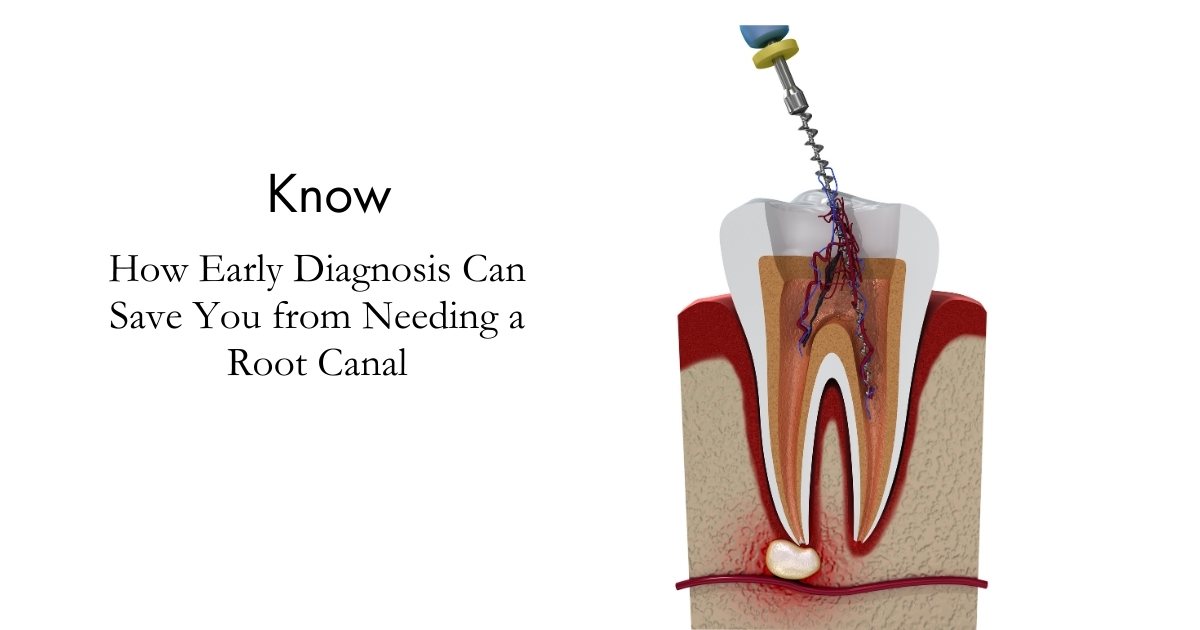
Have you ever experienced a nagging toothache and wondered if it could lead to a root canal? Early diagnosis plays a crucial role in preserving your dental health. The sooner you recognize potential issues, the better chance you have of avoiding invasive treatments. By understanding the signs and seeking timely care, you can keep your smile healthy and vibrant.
Think of your dental visits as your first line of defense. Regular checkups empower you to catch problems before they escalate. From the moment you notice discomfort to your routine exams, every step you take toward early diagnosis counts.
In this blog, we’ll explore how staying proactive about your oral health can save you from the need for a root canal. Let’s dive into the world of dental awareness and learn how you can protect your teeth and gums from future complications!
Understanding Root Canals: What You Need to Know?
A root canal sounds intimidating, but it’s a common procedure designed to save your tooth from further damage. Understanding what a root canal involves can help ease your worries.
What a Root Canal Involves?
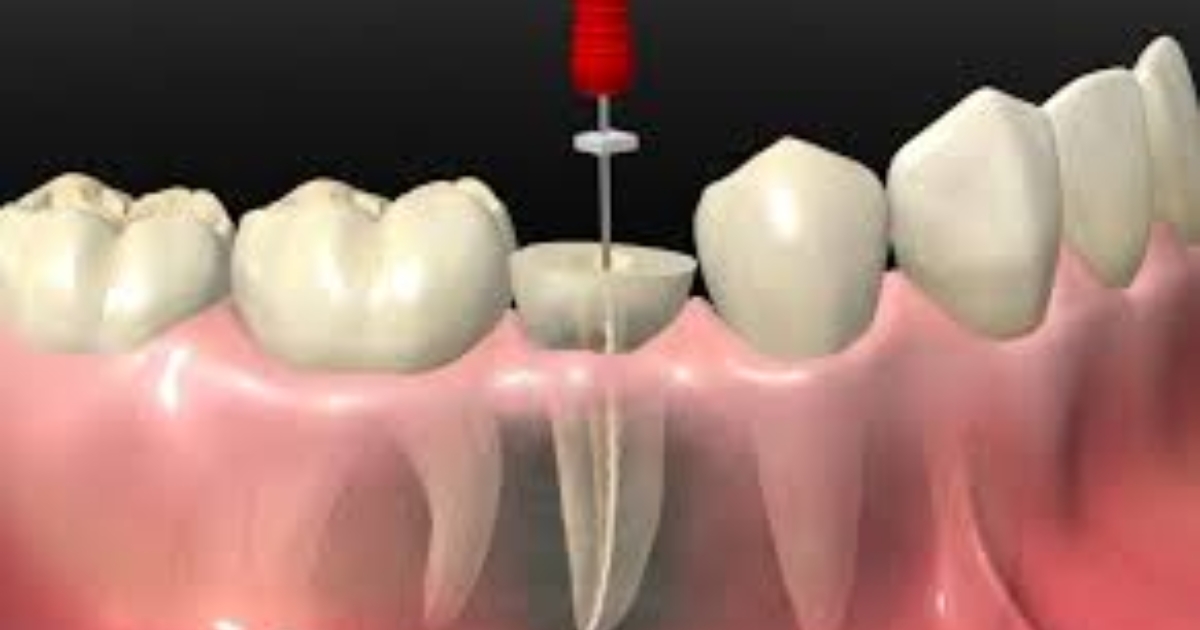
During the procedure, your dentist removes infected or damaged pulp from inside the tooth. They clean and disinfect the area before sealing it to prevent future infections.
Common Reasons for Root Canals
Several issues can necessitate a root canal, including:
- Deep decay from untreated cavities.
- Cracked or chipped teeth.
- Repeated dental procedures on the same tooth.
- Trauma to the tooth that causes inflammation.
Recognizing the signs early can help you avoid more serious issues and invasive treatments down the line.
Recognizing Symptoms: Key Indicators of Trouble
Not all tooth pain means you need a root canal, but certain symptoms should alert you to potential issues.
Common Symptoms to Watch For
Pay attention to:
- Severe toothache that doesn’t go away.
- Sensitivity to hot or cold that lingers.
- Discoloration of the tooth.
- Swelling or tenderness in the gums.
Importance of Recognizing These Signs Early
Early detection is vital. The sooner you identify symptoms, the quicker you can seek treatment and prevent further damage or infection.
The Importance of Routine Dental Visits
Regular dental checkups are your best defense against needing a root canal.
How Routine Visits Lead to Early Diagnosis?
Dentists can spot problems before they become serious. Consistent checkups allow for timely intervention, which can save your tooth.
What Dentists Look For During Checkups?
During your visit, your dentist examines:
- Signs of decay.
- Gum health.
- Any existing dental work that may need attention.
These proactive measures can catch issues early, potentially avoiding more extensive procedures later.
Diagnostic Tools: Enhancing Early Detection
Technology plays a vital role in modern dentistry, enabling early detection of dental issues.
Overview of Imaging Technologies
Dentists use various imaging tools, including:
- X-rays: Traditional X-rays provide a clear view of the tooth structure and surrounding bone.
- CBCT (Cone Beam Computed Tomography): This advanced imaging technique offers 3D views, helping dentists assess complex issues more effectively.
How These Tools Help Identify Issues Early?
These diagnostic tools allow dentists to spot problems like infection, cracks, or bone loss that may not be visible during a regular examination. Early diagnosis through these technologies can significantly reduce the need for root canals.
Preventing Root Canals: Your Daily Habits Matter
Maintaining good oral health is crucial in preventing the need for root canals.
Tips for Maintaining Oral Health:
- Brush your teeth twice a day with fluoride toothpaste.
- Floss daily to remove plaque between teeth.
- Limit sugary foods and drinks that can lead to cavities.
Importance of Good Dental Hygiene Practices
Consistent care at home makes a big difference. Good habits can prevent decay and maintain strong teeth, reducing the chances of needing a root canal.
When to Seek Help: Urgency in Dental Care
Some dental issues require immediate attention to avoid complications.
Situations That Require Prompt Attention:
You should contact your dentist if you experience:
- Intense tooth pain that escalates quickly.
- Swelling in your gums or face.
- A tooth that becomes loose unexpectedly.
The Benefits of Addressing Issues Quickly
The faster you seek help, the better your chances of preventing more serious problems. Early intervention often leads to simpler, less invasive treatments, saving you time and stress in the long run.
Catching dental issues early can be the key to preventing the need for a root canal. By staying vigilant and maintaining regular dental checkups, you empower yourself to protect your oral health. Remember, the earlier you act on symptoms, the better your chances of avoiding extensive procedures. Don’t wait for the pain to dictate your dental care—take charge and prioritize your smile today!