Call Us Today 817-737-7668


When dental pain strikes unexpectedly, it can feel overwhelming.
You might wonder, “Is this a dental emergency?”
Understanding endodontic emergencies is crucial. These situations can arise suddenly, leaving you with questions and concerns. Recognizing the signs early can make a significant difference in your treatment and recovery.
Whether it’s a sudden toothache or swelling in your gums, knowing when to seek immediate care can save you from more extensive procedures later on.
In this blog, we’ll explore the common symptoms that signal an endodontic emergency, the causes behind them, and the steps you should take when faced with dental distress. We’ll also discuss preventive measures to help you avoid these situations in the first place.
Let’s dive in and empower you with the knowledge you need to keep your smile healthy and pain-free!
Recognizing Common Symptoms of Endodontic Emergencies
Experiencing sudden dental issues can be alarming. Knowing the symptoms of endodontic emergencies helps you act quickly and effectively. Here are some key indicators to watch for:
- Pain Indicators: Severe or persistent tooth pain often signals a problem. The discomfort may be sharp or throbbing, making everyday activities difficult.
- Swelling and Sensitivity: Noticeable swelling in your gums or face, along with sensitivity to hot or cold, can indicate an underlying issue. This reaction often means inflammation or infection.
- Changes in Oral Function: Difficulty chewing or opening your mouth can be a sign of an emergency. If you find it painful to use your teeth, don’t wait to seek help.
These symptoms demand your attention. If you notice any of these signs, don’t hesitate to consult a professional.
Understanding the Causes of Endodontic Emergencies
Identifying the root cause of dental emergencies helps prevent future issues. Common triggers include:
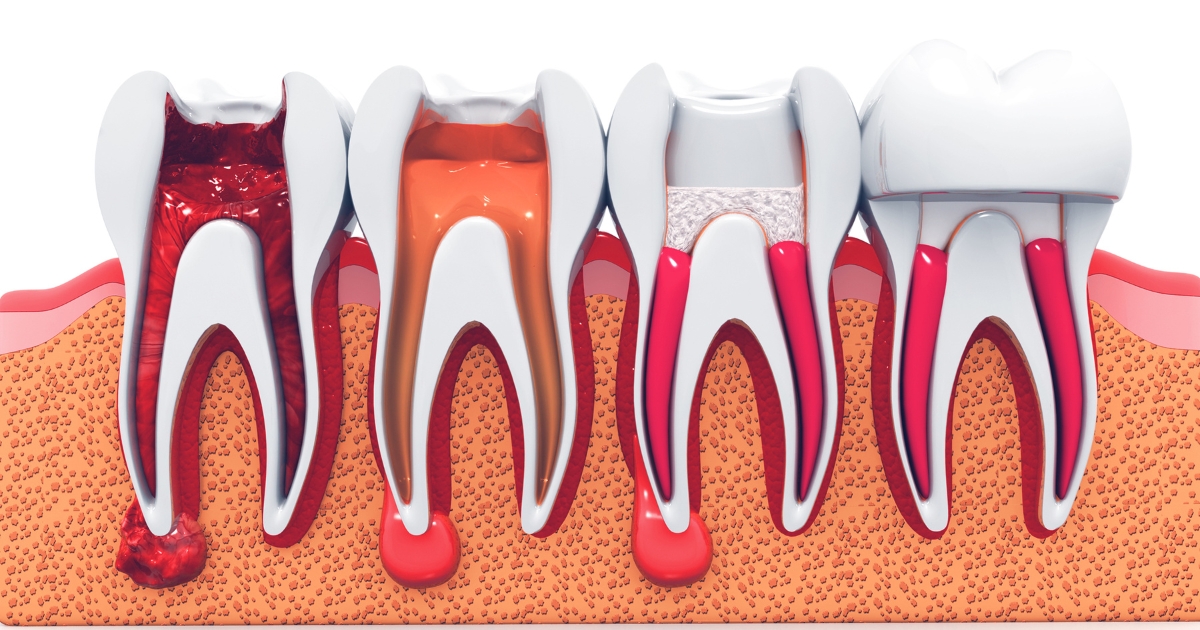
- Infection and Abscess Formation: Bacteria can invade the pulp of your tooth, leading to painful infections or abscesses. Prompt treatment is essential to prevent further complications.
- Trauma to the Tooth: Accidental injuries, such as a fall or a sports mishap, can damage your teeth. This damage can cause fractures or expose the pulp, resulting in emergencies.
- Failed Previous Treatments: Sometimes, prior treatments don’t fully resolve the problem. If a tooth continues to cause pain after treatment, it might require further evaluation.
When to Seek Immediate Care?
Knowing when to seek help can save you from unnecessary complications. Here’s what to consider:
- Specific Symptoms Requiring Urgent Attention: Severe pain, swelling, or fever should prompt immediate dental care. These signs often indicate serious conditions that require swift action.
- Timeframes for Seeking Treatment: If you experience sudden symptoms, don’t wait. Contact an endodontist immediately, especially if the pain disrupts your daily life.
Prompt action can make a world of difference in your treatment outcome.
What to Expect During an Emergency Visit?
An emergency visit is typically structured to quickly assess and address your concerns. Here’s what to expect:
- Initial Assessment and Diagnosis: The endodontist will start with a thorough examination, possibly using imaging technologies. This helps pinpoint the source of your pain.
- Potential Treatment Options Available: Depending on the diagnosis, treatment may include drainage of an abscess, a root canal, or other interventions to alleviate your symptoms.
Being prepared can help ease your anxiety during the visit.
Preventive Measures to Avoid Emergencies
Taking proactive steps can reduce your risk of endodontic emergencies. Here are some effective measures:
- Importance of Regular Dental Checkups: Routine visits allow for early detection of issues. Regular checkups help you avoid emergencies before they escalate.
- Good Oral Hygiene Practices: Consistent brushing and flossing can prevent cavities and gum disease, which are common culprits of emergencies.
- Lifestyle Factors Affecting Dental Health: A balanced diet and avoiding excessive sugary foods can greatly impact your dental health. Staying hydrated also plays a role in keeping your teeth healthy.
The Role of an Endodontist in Emergencies
When emergencies arise, the expertise of an endodontist becomes invaluable. Here’s how they can help:
- Expertise in Handling Complex Cases: Endodontists specialize in diagnosing and treating issues within the tooth pulp. Their training equips them to manage complex dental emergencies effectively.
- Differences Between General Dentists and Endodontists: While general dentists offer a wide range of services, endodontists focus on root canals and related procedures. Their specialized knowledge ensures that you receive the best care during emergencies. If you find yourself in need of urgent dental help, consulting an endodontist in Burleson can provide you with the specialized attention required for your situation.
Endodontic emergencies can be daunting, but recognizing the signs early makes all the difference. If you experience any concerning symptoms, don’t hesitate to seek help. Understanding what to expect during your visit can ease your anxiety and lead to effective treatment. Remember, prevention is key; maintain good oral hygiene and keep up with regular checkups. Prioritizing your dental health today can save you from emergencies tomorrow.