Call Us Today 817-737-7668


Dental trauma can happen in an instant. One moment you’re enjoying a game, and the next, a fall or collision leaves you with a damaged tooth. Understanding the types of dental trauma and the importance of immediate care can make all the difference in your recovery.
Don’t let fear or uncertainty keep you from seeking help—timely treatment can save your tooth and your smile!
When dental trauma occurs, many people overlook the role of endodontic treatment. This specialized care addresses not just the visible damage but also the internal issues that can arise.
Whether it’s a fracture, luxation, or avulsion, knowing how endodontic treatment can restore your dental health is essential. In this blog, we’ll explore the different types of dental trauma, the symptoms that signal the need for endodontic care, and the steps you should take for a smooth recovery.
Let’s dive in and discover how you can protect your teeth and ensure they stay healthy for years to come!
Exploring Different Types of Dental Trauma
Dental trauma can take various forms, and each type affects your teeth differently. Understanding these differences helps you respond appropriately and seek timely care.
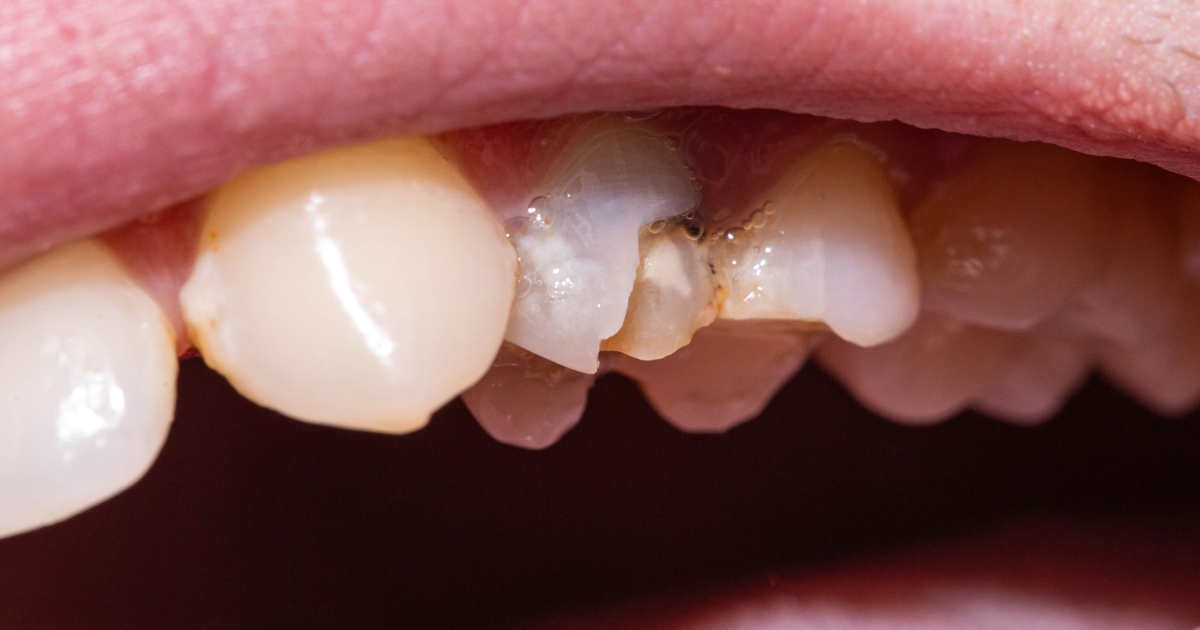
- Fractures: These can range from small chips to severe breaks. Fractured teeth may expose sensitive nerves and can lead to pain or infection if untreated.
- Luxation: This refers to teeth that have been dislocated but remain in their socket. Luxated teeth may not look broken, but they can cause significant damage to the supporting structures, leading to long-term issues if ignored.
- Avulsion: This is when a tooth gets completely knocked out. Quick action is crucial here; the sooner you get help, the better the chances of saving the tooth.
Recognizing these types of trauma allows for quicker intervention, reducing complications and promoting better outcomes. If you experience any of these injuries, don’t hesitate to consult an endodontist in Burleson for immediate evaluation and treatment.
Recognizing Symptoms of Dental Trauma
Identifying the signs of dental trauma early can significantly affect your recovery. Watch for these common symptoms:
- Pain: This is often the first indicator. It can range from mild sensitivity to severe, throbbing pain that worsens with pressure.
- Swelling: Look for swelling in the gums or around the affected tooth. This may signal an underlying issue that requires attention.
- Discoloration: A change in the color of a tooth can indicate damage to the pulp and a need for treatment.
- Mobility: If a tooth feels loose, this could be a sign of trauma to the surrounding structures.
Recognizing these symptoms can help you seek help promptly. Early intervention can make a significant difference in the outcome of your treatment.
What to Know About Endodontic Treatment?
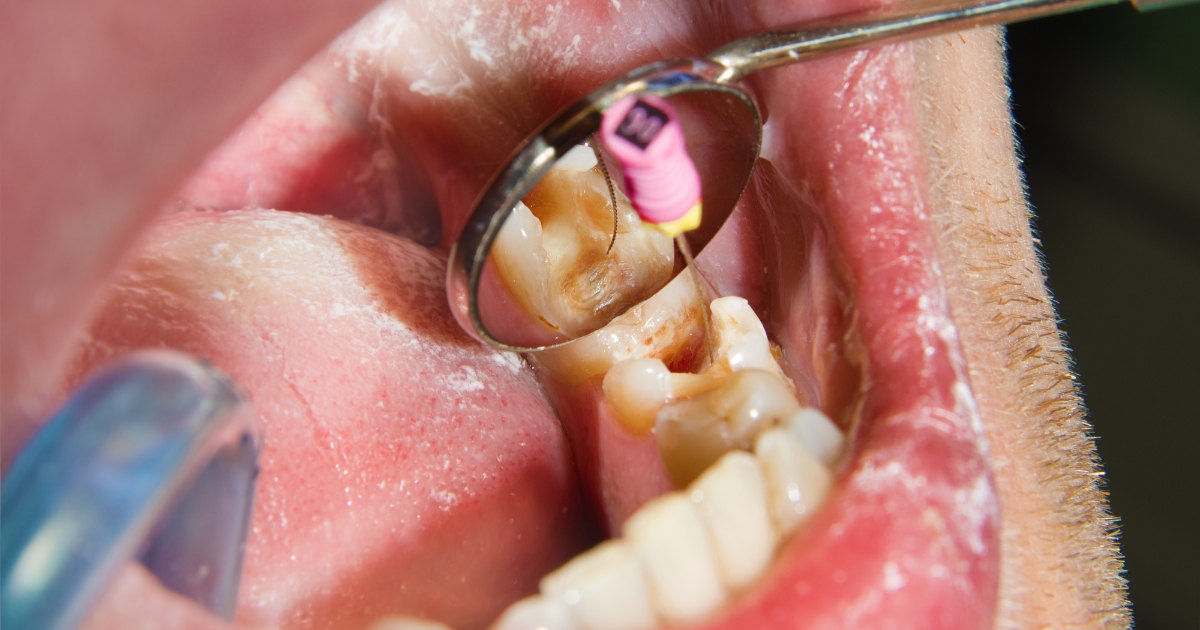
Endodontic treatment, often referred to as root canal therapy, focuses on the inner parts of your tooth, particularly when trauma occurs. Here’s what you should know:
- Process: The procedure typically involves removing the damaged or infected pulp from inside the tooth, cleaning the interior, and sealing it to prevent future issues.
- Addressing Trauma: Endodontic treatment is crucial for resolving pain and infection that arise from dental trauma. By targeting the internal structures, it helps preserve your natural tooth.
- Long-term Benefits: This treatment can save a tooth that would otherwise need extraction, allowing you to maintain your smile and function without needing an implant.
If you experience trauma to your tooth, understanding the endodontic process can ease your concerns and guide you toward appropriate care.
The Impact of Endodontic Treatment for Different Types of Trauma
Different types of dental trauma require specific endodontic treatments. Here’s how the process varies:
- Fractured Teeth: Depending on the severity, treatment may involve filling the fracture, restoring the tooth’s structure, or performing a root canal if the pulp is damaged.
- Luxated Teeth: For luxation, an endodontist will assess the position of the tooth and may reposition it while also cleaning and sealing the internal structures to prevent infection.
- Knocked-Out Teeth: If a tooth is avulsed, immediate re-implantation is ideal. An endodontist can stabilize it and perform root canal treatment if the pulp is compromised.
Each trauma type requires tailored intervention. Consulting an endodontist ensures that you receive the most effective treatment for your specific situation.
Caring for Your Teeth After Endodontic Treatment
After undergoing endodontic treatment, follow these steps for optimal recovery:
- Follow-Up Appointments: Attend all scheduled follow-ups to monitor healing and address any complications.
- Pain Management: Use over-the-counter pain relievers as recommended by your endodontist.
- Diet Adjustments: Stick to soft foods for the first few days to avoid putting pressure on the treated tooth.
- Oral Hygiene: Maintain a gentle oral hygiene routine. Avoid brushing the treated area for a few days, but continue to keep your mouth clean.
Be aware of signs that indicate complications, such as increased pain, swelling, or fever. If any of these arise, reach out to your endodontist for further evaluation.
Dental trauma can be daunting, but understanding the role of endodontic treatment can empower you to act quickly and effectively. Whether you’re dealing with a fracture, luxation, or avulsion, prompt care makes all the difference in your recovery. Don’t let fear hold you back; consult with an endodontist to ensure your smile stays intact. Your oral health deserves the best care, so take action and protect it today!