Call Us Today 817-737-7668

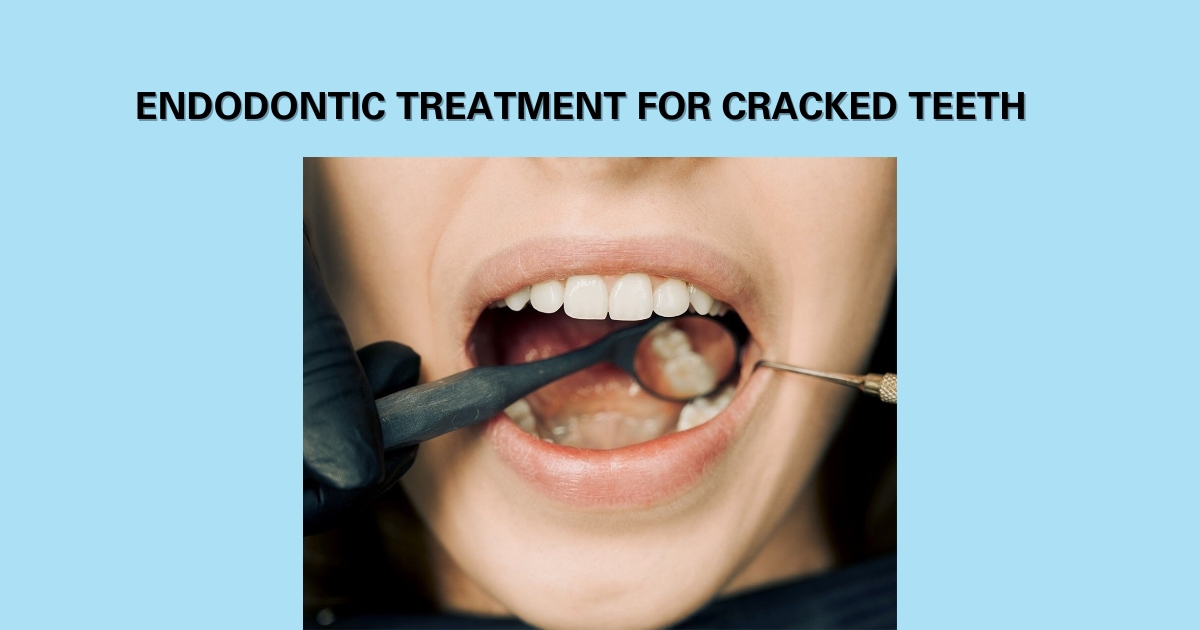
Cracked teeth can be more than just a minor annoyance; they can lead to significant discomfort and long-term dental issues if not addressed promptly.
If you’ve ever felt a sudden jolt of pain while biting into something, you might have experienced the frustrating reality of a cracked tooth. Understanding your options for treatment can make all the difference in your recovery and overall oral health.
In this blog, we’ll dive deep into the world of endodontic treatment for cracked teeth. From identifying the signs of a crack to exploring the best treatment methods, we’ve got you covered.
Whether you’re dealing with a recent crack or just curious about your options, knowing how to navigate this situation will empower you. Let’s explore the path to recovery together and ensure your smile stays bright and healthy!
Identifying the Signs: Symptoms of Cracked Teeth
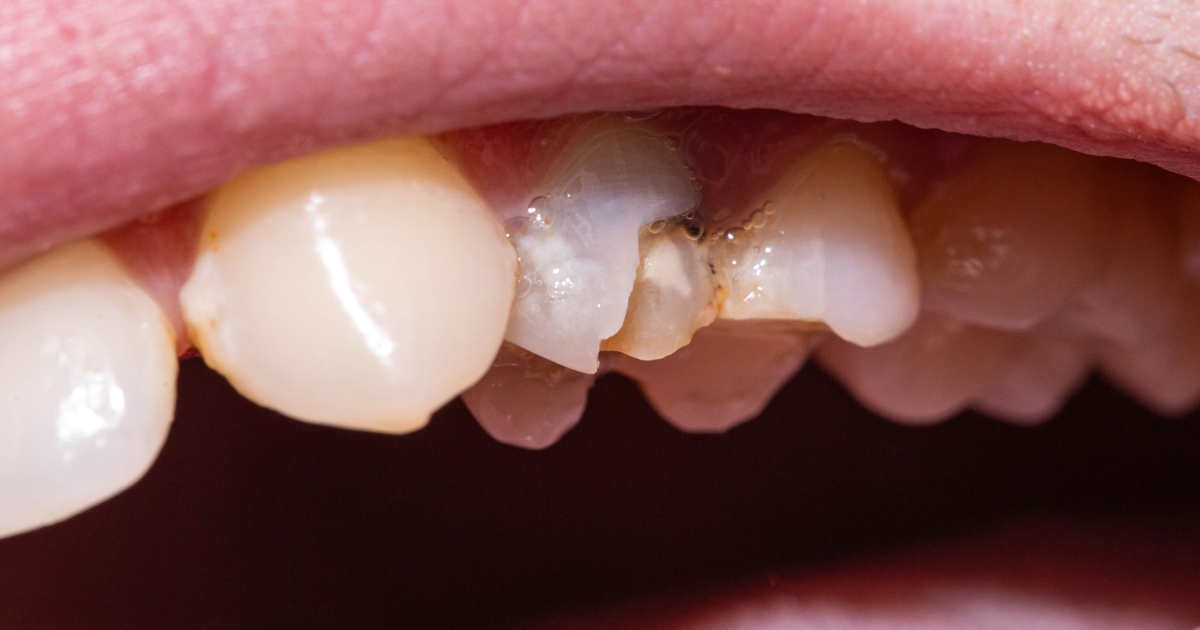
Cracked teeth can be tricky to spot, but recognizing the symptoms early is crucial. Here’s what to watch for:
- Pain and Sensitivity: You might feel sharp pain when biting or chewing. Sensitivity to hot or cold can also indicate a problem.
- Swelling and Discomfort: Noticeable swelling around the affected tooth often accompanies pain, signaling that it’s time to seek help.
- Changes in Oral Function: Difficulty chewing or feeling a tooth shift slightly could mean a crack is present.
Ignoring these signs can lead to more significant issues, impacting your daily activities and overall oral health.
How Are Cracked Teeth Diagnosed?
An accurate diagnosis is essential for effective treatment. Here’s how endodontists approach this process:
- Thorough Examination: A detailed visual examination helps identify cracks or chips that may not be immediately visible.
- Advanced Imaging: Tools like X-rays provide a clear view of the tooth’s structure and any underlying issues.
- Importance of Assessment: A careful evaluation ensures that no cracks go unnoticed, allowing for the most appropriate treatment plan.
Exploring Treatment Options for Cracked Teeth
Once diagnosed, various endodontic treatment options become available. Here’s what you can expect:
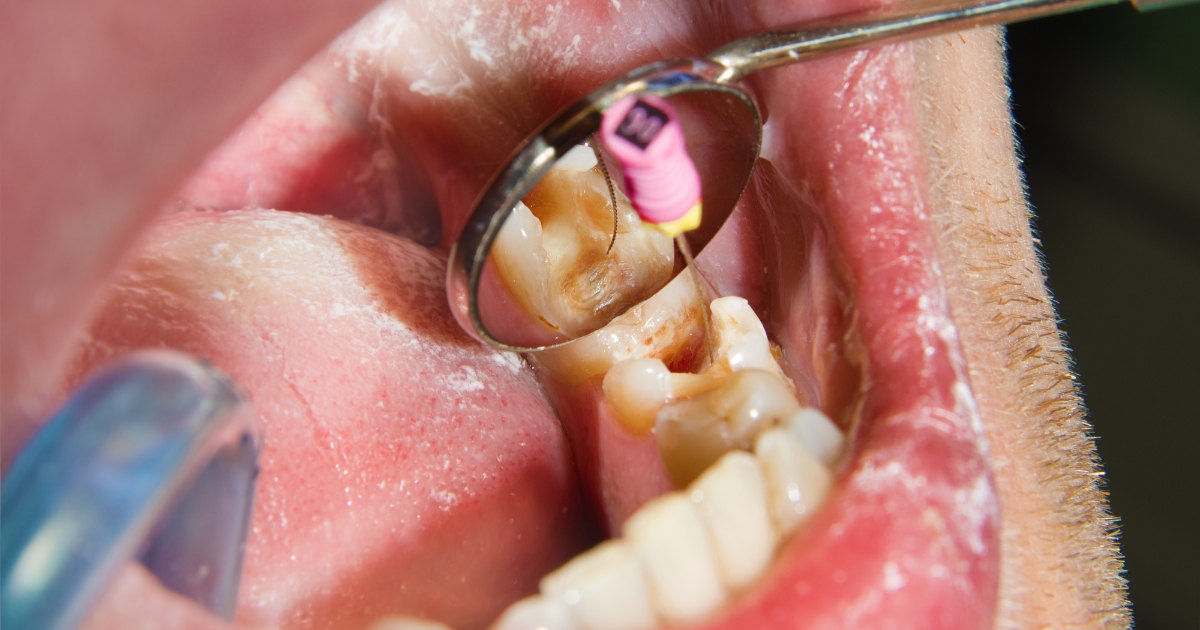
- Root Canal Therapy: If the crack has reached the pulp, this treatment removes infected tissue and saves the tooth. It’s a common procedure for significant cracks.
- Crown Placement: Sometimes, a crown can restore a cracked tooth’s strength and function, especially if it’s structurally compromised.
- Bonding: For minor cracks, bonding may be sufficient to restore the tooth’s appearance and function.
Essential Care After Treatment
After undergoing endodontic treatment, taking care of your tooth is vital. Here’s how to ensure a smooth recovery:
- Dietary Recommendations: Stick to soft foods for a few days. Avoid hard or sticky items that could strain the tooth.
- Post-Treatment Care Tips: Follow your endodontist’s advice on pain management and oral hygiene to facilitate healing.
- Signs for Follow-Up: If you experience increased pain or swelling, don’t hesitate to reach out for a follow-up visit.
Understanding the Long-Term Prognosis
The prognosis for cracked teeth depends on several factors. Here’s what to keep in mind:
- Success Influencers: The extent of the crack, your oral hygiene, and adherence to care instructions play significant roles.
- Regular Check-Ups: Routine visits to your endodontist in Colleyville will help catch any issues early.
- Expected Outcomes: Many patients enjoy a long-lasting, functional tooth post-treatment, provided they maintain good oral health practices.
Preventing Cracked Teeth: Tips for Protection
Taking steps to avoid cracked teeth can save you from future complications. Here are effective preventive measures:
- Good Oral Hygiene: Brush and floss regularly to maintain healthy teeth and gums.
- Lifestyle Adjustments: Avoid chewing hard objects like ice or using teeth as tools, which can lead to cracks.
- Regular Dental Visits: Regular check-ups allow your endodontist to monitor your teeth and catch potential issues early.
When to Seek Help: Understanding Urgency
Knowing when to see an endodontist is crucial for cracked teeth. Here are situations that require immediate attention:
- Persistent Pain: If you experience ongoing pain despite treatment, seek help promptly.
- Swelling or Discoloration: Any noticeable changes in the gums or surrounding area can indicate a problem.
- Choosing the Right Endodontist: Research local specialists and read reviews to find someone who fits your needs.
Understanding your options for cracked teeth can empower you to take action before minor issues escalate. Regular check-ups and prompt attention to symptoms are vital for maintaining your oral health. By staying informed and proactive, you can protect your smile and enjoy a healthier future. If you suspect a crack, don’t hesitate to consult an endodontist. Your teeth deserve the best care, and addressing issues early can lead to successful outcomes.