Call Us Today 817-737-7668

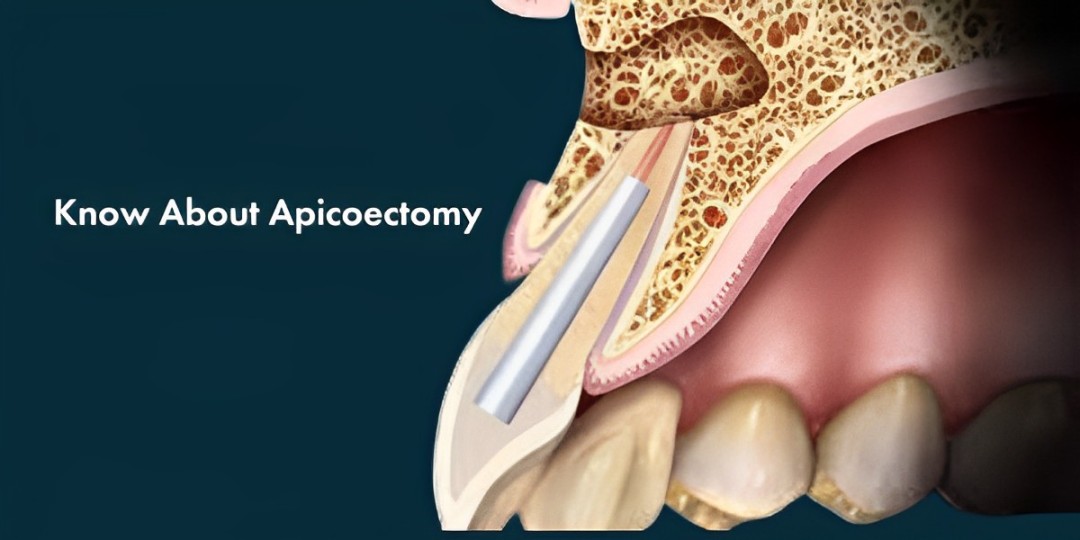
When it comes to dental health, you might encounter terms like “apicoectomy” that sound intimidating. But understanding this surgical root canal procedure can make a world of difference in your oral care journey.
An apicoectomy helps save teeth that have experienced complications after a root canal. It’s a key treatment option for those who want to keep their natural teeth and avoid further issues.
Have you ever wondered what happens when a root canal doesn’t quite resolve the problem? That’s where an apicoectomy comes in!
This specialized procedure removes the tip of the tooth’s root, addressing infections that might linger despite previous treatments. In this blog, we’ll explore everything you need to know about apicoectomies, from why they’re performed to what the process involves.
Whether you’re facing dental pain or just curious about endodontic procedures, this guide aims to empower you with the knowledge to make informed decisions about your dental health. Let’s dive in!
Why Consider an Apicoectomy?
Apicoectomies become necessary for several reasons, primarily when previous root canal treatments haven’t fully resolved issues. Here are some common situations that lead to this procedure:
- Persistent Infection: After a root canal, bacteria may still linger, causing ongoing pain or swelling.
- Anatomical Challenges: Some teeth have complex root structures that can trap infection, making retreatment difficult.
- Inadequate Filling: If the root canal isn’t properly sealed, it could lead to reinfection.
- Cysts or Abscesses: These can form at the root tip, requiring surgical intervention for resolution.
Understanding these factors can help you recognize when this procedure might be the best option for preserving your tooth.
The Apicoectomy Procedure Unpacked
Curious about what an apicoectomy entails? Here’s a step-by-step look at the procedure:
- Initial Consultation: Your endodontist evaluates your condition through X-rays and a thorough examination.
- Anesthesia: You’ll receive local anesthesia to numb the area. Sedation options are available for added comfort.
- Surgical Access: The endodontist makes a small incision in the gum to access the root tip.
- Removing the Root Tip: The infected tissue and the tip of the root are carefully removed.
- Sealing the Area: The endodontist cleans and seals the root canal, ensuring it’s free of infection.
This meticulous process is crucial for saving the tooth and relieving pain.
Recovery and Aftercare Tips
Recovery from an apicoectomy typically involves managing discomfort and promoting healing. Here’s what to expect and how to care for yourself afterward:
- Initial Discomfort: You may experience swelling and soreness, which can be managed with prescribed pain relievers.
- Dietary Adjustments: Stick to soft foods and avoid anything too hot or spicy for a few days.
- Oral Hygiene: Keep the area clean, but be gentle when brushing near the surgical site.
- Follow-Up Appointments: Regular check-ups ensure your healing process is on track.
Following these tips can enhance your recovery and minimize complications.
Common Considerations
Like any surgical procedure, an apicoectomy comes with potential risks. Being informed can help you make the best decision. Here are some considerations:
- Common Complications: These can include bleeding, infection, or damage to surrounding tissues.
- Success Factors: The tooth’s condition prior to surgery and your overall health can influence outcomes.
- Realistic Expectations: While many patients see significant improvement, results can vary.
Discussing these factors with your endodontist can clarify what to expect.
The Advantages of Choosing an Apicoectomy
Why go through with an apicoectomy? Here are some long-term benefits:
- Preservation of Natural Teeth: Keeping your tooth is often better than opting for extraction and implants.
- Improved Oral Health: Maintaining your natural tooth contributes positively to your overall dental structure.
- Functionality: You retain full chewing function, which can affect nutrition and overall well-being.
Understanding these advantages can make the decision to pursue this procedure more appealing.
Consulting with an Endodontist: What to Know?
A proper evaluation by an endodontist is essential before deciding on an apicoectomy. Here are key points to consider:
- Evaluation Process: Expect a thorough examination, including X-rays, to assess the tooth’s condition.
- Key Questions: Inquire about the necessity of the procedure, recovery time, and potential risks.
- Understanding Alternatives: Discuss other treatment options and why an apicoectomy might be the best choice for your situation.
Finding a qualified endodontist in Denton to guide you through this process ensures you receive tailored advice and the best care possible. An apicoectomy can be a vital procedure to save your natural tooth and restore oral health. By understanding the reasons behind this surgery and what to expect, you empower yourself to make informed decisions. Consult with your endodontist to discuss your options and take the first step toward lasting dental wellness. Remember, preserving your natural teeth can significantly enhance your overall quality of life. Don’t hesitate to seek the care you deserve!