Call Us Today 817-737-7668

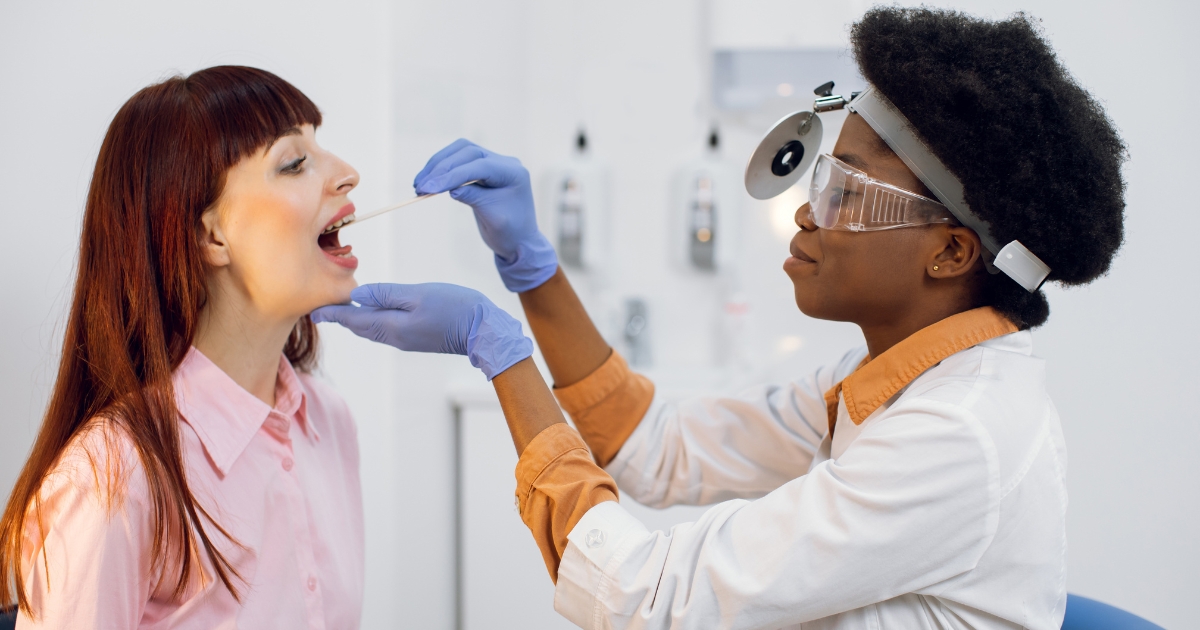
Oral cancer is a serious health concern that often goes unnoticed until it reaches advanced stages. Every year, thousands face this diagnosis, but early detection can be a game-changer.
How can you spot the signs before it’s too late?
One vital tool in this process is a biopsy test. This simple yet powerful procedure provides critical information about potential cancerous changes in your mouth, helping you and your healthcare team take action swiftly.
Understanding the importance of a biopsy in the context of oral cancer can empower you to advocate for your health. Whether you’re experiencing unusual symptoms or simply want to stay informed, recognizing the role of a biopsy in early detection is crucial. As we delve into this topic, we’ll explore what oral cancer is, the symptoms to watch for, and how a biopsy can pave the way for effective treatment.
Let’s dive into why a biopsy test is not just a procedure but a lifeline for many facing oral cancer. Your smile deserves to be healthy, and knowledge is the first step toward safeguarding it!
Understanding Oral Cancer
Oral cancer encompasses a range of malignancies that occur in the oral cavity, including the lips, tongue, gums, and throat. The most prevalent type is squamous cell carcinoma, accounting for about 90% of all oral cancers. Understanding what oral cancer is and knowing its common types can empower you to seek help early.
Risk factors play a significant role in the development of oral cancer. Here are some of the key contributors:
- Tobacco Use: Smoking and chewing tobacco greatly increase the risk.
- Alcohol Consumption: Heavy drinking can exacerbate the harmful effects of tobacco.
- HPV Infection: Human papillomavirus, especially certain strains, has been linked to oral cancer.
- Age: The risk increases with age, particularly for those over 50.
- Sun Exposure: Overexposure to UV rays can lead to lip cancer.
Awareness of these factors can help you make informed lifestyle choices. Regular dental check-ups and self-examinations can lead to early detection, which is critical for effective treatment. By understanding the risks, you can take proactive steps to safeguard your oral health.
The Role of a Biopsy
A biopsy is a medical procedure that involves taking a small sample of tissue for examination. This test plays a crucial role in diagnosing oral cancer and determining the nature of abnormal growths in the mouth. There are several types of biopsies, each serving a specific purpose:
- Incisional Biopsy: Involves removing a portion of the suspicious tissue.
- Excisional Biopsy: Involves the removal of the entire lump or suspicious area.
- Fine Needle Aspiration: Uses a thin needle to extract tissue or fluid from a lump.
Biopsies are essential for confirming a diagnosis of oral cancer. The tissue sample is sent to a lab for analysis, where pathologists examine it for cancerous cells. This definitive diagnosis guides treatment decisions and helps assess the cancer’s stage. If you suspect any abnormalities in your mouth, your dentist may recommend a biopsy in Burleson, TX, to ensure prompt diagnosis and treatment.
Symptoms That May Indicate Oral Cancer
Recognizing the symptoms of oral cancer early can make a significant difference in treatment outcomes. Here are some common signs to watch for:
- Lumps or Masses: Any new growths in the mouth should be evaluated.
- Sores that Don’t Heal: Persistent ulcers can signal an issue.
- White or Red Patches: Leukoplakia (white) and erythroplakia (red) can indicate precancerous conditions.
- Difficulty Swallowing or Speaking: Changes in these abilities may be linked to oral cancers.
- Unexplained Bleeding: Bleeding from the mouth without a known cause is concerning.
- Numbness or Loss of Sensation: Changes in sensation in the mouth or lips can be a warning sign.
Early detection relies on your awareness of these symptoms. Regular self-exams can help you identify changes, prompting timely visits to your dentist. If you notice any of these signs, don’t hesitate to seek professional advice.
Why Early Detection Matters?
Early detection of oral cancer significantly increases survival rates. Statistics show that the five-year survival rate for localized oral cancers is around 83%, while that for advanced stages drops to 38%. Early detection allows for less aggressive treatments, often resulting in better outcomes and a higher quality of life.
Consider the benefits of early intervention:
- Less Invasive Treatments: Detecting cancer early may allow for treatments like surgery or localized therapies instead of extensive chemotherapy or radiation.
- Better Prognosis: Patients diagnosed at an early stage generally respond better to treatment.
- Improved Quality of Life: Successful early treatment minimizes the impact of the disease on daily living.
By prioritizing regular dental check-ups and being proactive about any symptoms, you can take significant steps toward safeguarding your health. Remember, early action can lead to the best possible outcomes.
The Biopsy Procedure: What to Expect?
When you undergo a biopsy, knowing what to expect can ease anxiety. Here’s a step-by-step overview of the procedure:
- Consultation: Your dentist will explain the need for the biopsy and what it involves.
- Preparation: Local anesthesia is typically administered to numb the area.
- Tissue Removal: Depending on the type of biopsy, the dentist will remove either a small sample or the entire suspicious area.
- Post-Procedure Care: After the procedure, you may experience minor discomfort, which can be managed with over-the-counter pain relievers.
Patients often worry about the recovery process. Rest assured, the healing usually takes just a few days. Swelling or tenderness may occur, but these symptoms should gradually subside. Your dentist will provide aftercare instructions, including dietary recommendations and oral hygiene practices to promote healing.
Post-Biopsy Care and Follow-Up
After a biopsy, taking care of the affected area is crucial for proper healing. Here are some tips to ensure a smooth recovery:
- Avoid Irritants: Stay away from hot, spicy, or crunchy foods that can irritate the biopsy site.
- Maintain Oral Hygiene: Continue brushing and rinsing your mouth gently to prevent infection.
- Monitor Symptoms: Watch for excessive swelling, bleeding, or signs of infection. Contact your dentist if these occur.
Taking action with a biopsy can be a crucial step toward protecting your health. If you or a loved one notices any unusual symptoms in the mouth, don’t wait—early detection is a powerful ally against oral cancer. Consulting your dentist for a biopsy, especially when risk factors or symptoms are present, can make all the difference in treatment success. Prioritize your health by staying informed and proactive, and remember, a simple test today could safeguard your future well-being.