
Call Us Today 817-737-7668

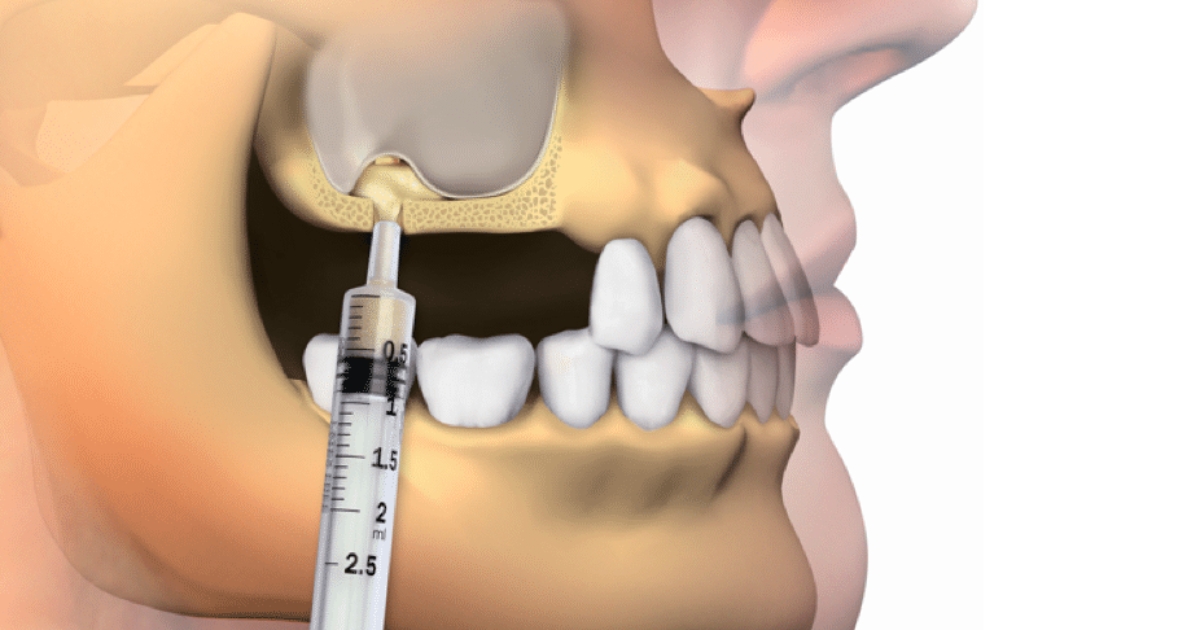
If you’re considering dental implants, but your upper jaw lacks the necessary bone, sinus augmentation might be the solution you’ve been looking for. This specialized procedure helps build up bone in the upper jaw to support dental implants effectively.
For those struggling with bone loss in the sinus area, it opens up possibilities for a healthy, stable implant placement.
But how do you know if sinus augmentation is right for you?
And what exactly does the procedure involve?
In this blog, we’ll break down the key factors that make someone a good candidate for sinus surgery. From understanding why the procedure is necessary to learn about what happens during the process, we’ll cover all the crucial details.
If you’ve been told that your sinuses need extra attention before getting implants or you’re simply curious about how sinus augmentation can improve your oral health, you’re in the right place.
Keep reading to learn how this procedure can make your dental implant journey smoother and more successful!
What is Sinus Augmentation?
Sinus augmentation is a surgical procedure designed to add bone to the upper jaw, specifically in the area around the sinuses. This procedure is often necessary for patients who have lost bone mass in the upper jaw, making it difficult to place dental implants. By increasing the available bone in the sinus area, sinus operation ensures that dental implants can be securely placed, leading to better overall oral health.
- Sinus augmentation targets the area near the maxillary sinuses (behind your cheekbones).
- It involves lifting the sinus membrane and adding bone material to increase jawbone volume.
- The procedure helps create a stable foundation for dental implants, especially in patients who’ve experienced significant bone loss.
- This process improves the chances of implant success by providing enough bone for implant stability.
If you need sinus surgery, sinus augmentation in Burleson can provide a detailed consultation and ensure the right approach to your implant placement.
Why is Sinus Augmentation Necessary?
When bone loss occurs in the upper jaw, it reduces the space available for dental implants. Sinus operation is often essential to restore this area, allowing implants to integrate successfully. Without sufficient bone density, implants cannot anchor securely, leading to failure. This procedure addresses this issue by adding bone to the sinus area, improving both oral health and functionality.
- Lack of sufficient bone in the upper jaw is often due to tooth loss, gum disease, or natural anatomical variation.
- Sinus augmentation creates space for dental implants by increasing bone volume.
- Without sinus augmentation, dental implants may not fuse properly with the jaw, resulting in instability.
- This procedure is vital for people who wish to restore function and aesthetics with dental implants.
Who Can Benefit from Sinus Augmentation?
Over 250,000 patients have received sinus operations in the U.S. Sinus augmentation is especially helpful for patients who lack enough bone mass in the upper jaw. Several conditions can contribute to this, including tooth loss, periodontal disease, and age. Individuals with limited bone density may struggle to support dental implants without this procedure, but sinus surgery provides a solution to ensure implants can thrive.
- Patients who’ve lost teeth in the upper jaw or experienced bone resorption due to aging.
- Those who suffer from gum disease or extensive tooth decay that leads to bone loss.
- Patients in good general health who do not have major medical complications.
- Age and oral health play crucial roles in candidacy for sinus augmentation, with certain individuals requiring more extensive procedures.
How Sinus Augmentation Supports Dental Implants?
The success of dental implants depends on strong bone support. Sinus augmentation addresses this by adding bone to the sinus area, ensuring that implants can be placed securely. This procedure not only makes room for the implant but also promotes long-term stability, which is crucial for overall success. By supporting the bone structure, sinus augmentation helps maintain both oral function and aesthetics.
- Sinus augmentation enhances implant stability by providing a solid bone base.
- It supports the jaw and prevents the sinus membrane from interfering with implant placement.
- The healthy bone helps integrate the implant into the jaw, ensuring long-term success.
- Without proper bone structure, implants can fail or shift, leading to complications.
Common Signs You Might Need Sinus Augmentation
Several signs might indicate the need for a sinus operation. For instance, if you’ve experienced significant bone loss in the upper jaw or have had failed dental implants, you may need this procedure. A periodontist will evaluate the health of your jawbone and sinuses to determine if sinus augmentation is necessary for successful implant placement.
- Bone loss in the upper jaw is often caused by tooth loss or gum disease.
- Difficulty getting dental implants due to insufficient bone in the sinus area.
- Failed implant attempts may indicate a need for sinus surgery to ensure success.
- Your periodontist will evaluate your jawbone, sinus health, and overall condition to decide.
The Sinus Augmentation Procedure: What to Expect?
Undergoing sinus surgery is a relatively straightforward procedure that can provide long-term benefits for your oral health. The process typically starts with a consultation and imaging to determine the condition of your sinuses and jaw. The procedure itself involves lifting the sinus membrane and adding bone material. Recovery involves a few weeks of rest, during which your body will integrate the new bone material.
- Step 1: Your periodontist will assess the condition of your jaw and sinuses using X-rays or CT scans.
- Step 2: The procedure involves lifting the sinus membrane and placing bone graft material in the sinus cavity.
- Step 3: Recovery typically takes 6 to 12 months, depending on bone healing.
- You’ll receive post-procedure care instructions to ensure proper healing and minimal discomfort.
How to Prepare for Sinus Augmentation?
Before undergoing sinus operation, it’s important to prepare both mentally and physically. Your periodontist will provide instructions, which may include adjusting medications, stopping smoking, and ensuring your general health is in good condition. Ensuring your body is ready for the procedure can help maximize success and reduce recovery time.
- Schedule a thorough consultation with your periodontist to discuss your medical history.
- Avoid smoking, as it can hinder healing and affect the procedure’s success.
- Follow your periodontist’s advice regarding medications, diet, and lifestyle adjustments.
- Understanding the process and setting expectations can help reduce any anxiety before the procedure.
Sinus augmentation can make all the difference in the success of dental implants, especially when dealing with bone loss in the upper jaw. If you’ve been struggling with insufficient bone for implants, this procedure may be the key to restoring both function and appearance. By preparing the area properly, sinus augmentation ensures your implants have the foundation they need for lasting stability. Speak with a periodontist today to see if this procedure can help you achieve your oral health goals.