Call Us Today 817-737-7668


Losing a tooth can affect your smile and oral health. Single-tooth implants provide a permanent and natural-looking solution. They replace missing teeth without harming adjacent ones.
These implants restore functionality by mimicking natural teeth. They improve biting, chewing, and speech. Unlike dentures or bridges, they integrate with the jawbone, ensuring stability.
Single-Tooth Implants offer long-term durability. They prevent bone loss and maintain facial structure. Their natural appearance boosts confidence and enhances oral health.
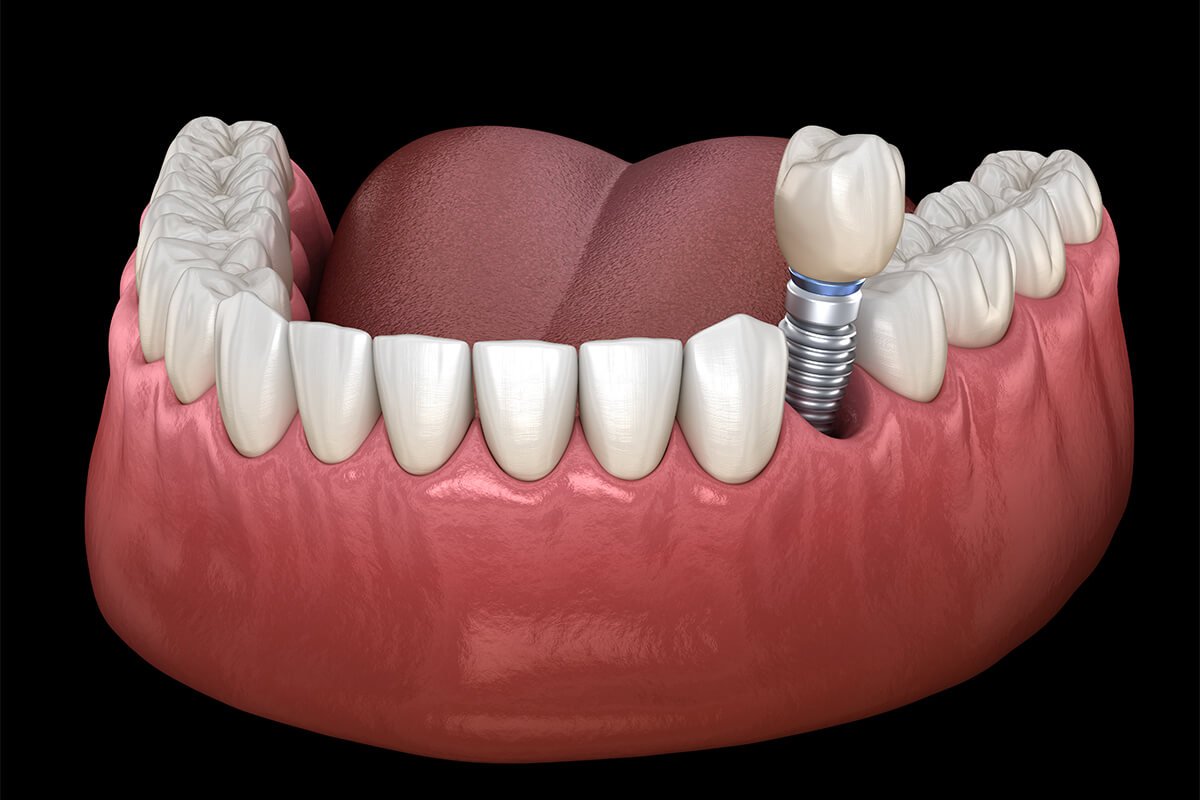
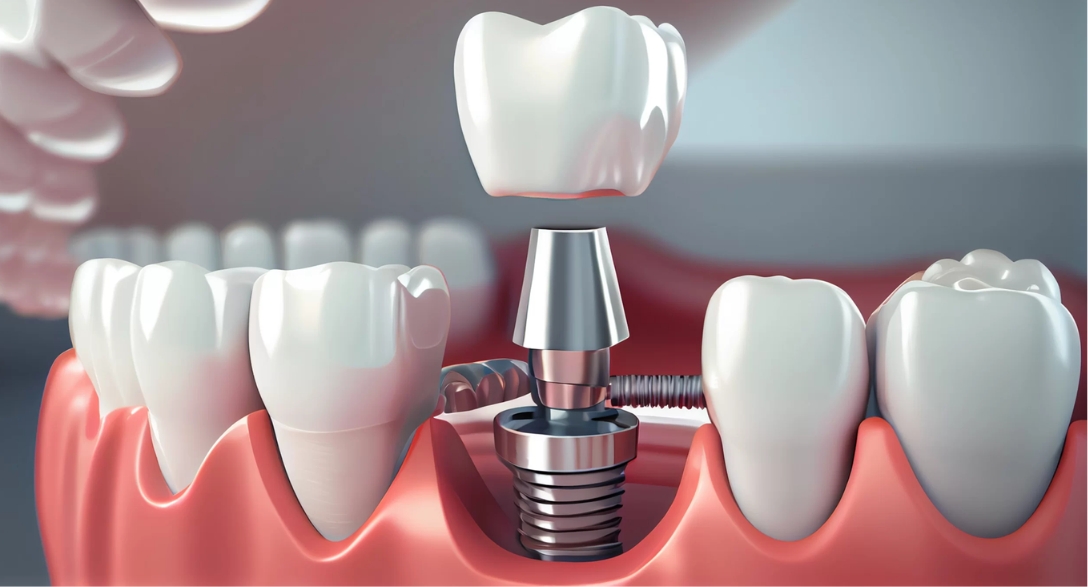
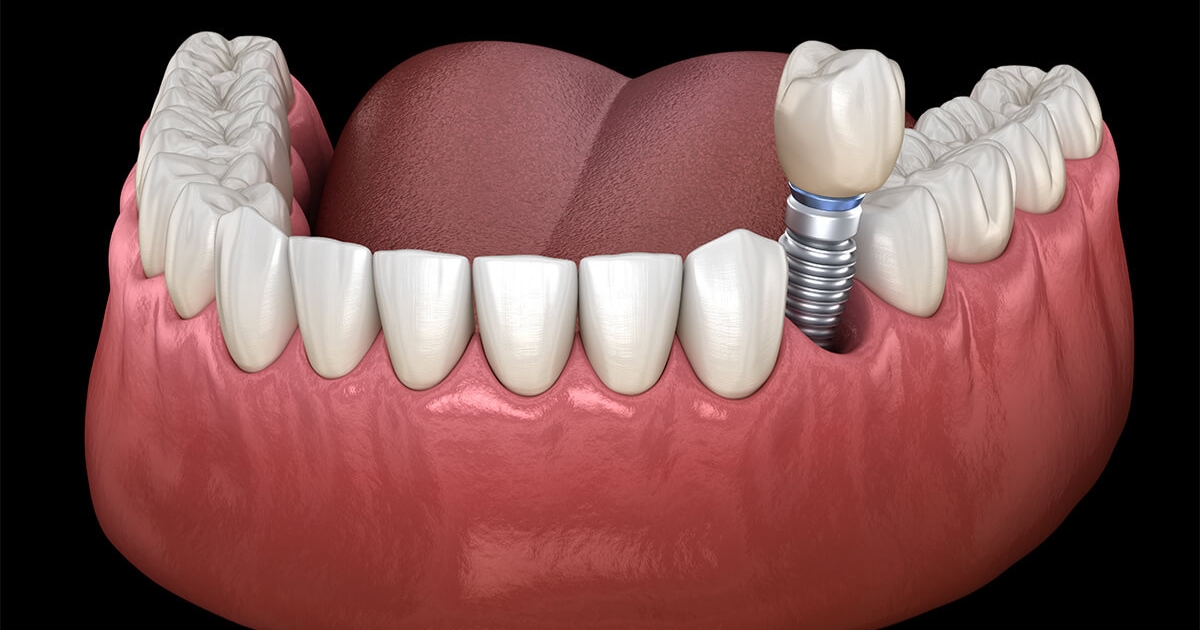
A single implant functions like a real tooth. It consists of a titanium post, an abutment, and a crown. This structure ensures strength, longevity, and seamless integration.
This blog explores how these Implants restore functionality and improve oral health. Read on to learn about their benefits, procedures, and recovery process.
What Are Single-Tooth Implants?
Single-tooth implants replace one missing tooth without affecting surrounding teeth. They offer a strong and durable alternative to bridges and dentures.
Components of Single-Tooth Implants
- Titanium Post – Acts as an artificial tooth root, integrating with the jawbone.
- Abutment – Connects the titanium post to the dental crown.
- Crown – A custom-made tooth that matches natural teeth in color and shape.
How Do They Differ from Other Tooth Replacements?
- Bridges require support from adjacent teeth, which weakens them over time.
- Dentures rest on the gums, leading to discomfort and reduced chewing efficiency.
- Single-tooth implants stand alone, ensuring better strength and stability.
Single-tooth implants prevent bone loss, unlike dentures and bridges. They also provide a natural appearance and unmatched durability.
These implants fuse with the jawbone through osseointegration. This process ensures long-lasting results, making them the best choice for tooth replacement.
How Single-Tooth Implants Restore Functionality?
1. Stability and Strength
Single-tooth Implants offer strong support by acting like natural tooth roots. They integrate with the jawbone, ensuring stability. Unlike bridges, they do not rely on adjacent teeth for support.
These implants prevent teeth from shifting into empty spaces. This maintains proper alignment and bite function. Stability also enhances comfort and speech clarity.
2. Improved Chewing and Biting Ability
A missing tooth can make chewing difficult and uncomfortable. Single-tooth Implants restore full chewing power. They function like natural teeth, allowing efficient food breakdown.
With implants Aledo, patients can enjoy all types of food without worry. They eliminate dietary restrictions that come with missing teeth or ill-fitting dentures.
3. Jawbone Health Preservation
Tooth loss leads to bone deterioration over time. The jawbone weakens without stimulation from a tooth root. Single-tooth Implants prevent bone loss by integrating with the bone.
This process, called osseointegration, keeps the bone strong and healthy. It also helps maintain facial structure, preventing premature aging and sunken cheeks.
4. Natural-Looking Aesthetics
Single-tooth Implants blend seamlessly with natural teeth. Dentists customize the crown to match the size, shape, and color of surrounding teeth.
The result is a flawless smile that looks completely natural. A well-placed implant enhances confidence and eliminates self-consciousness about missing teeth.
5. Long-Term Durability
Unlike dentures and bridges, these Implants last for decades. They are made from strong materials like titanium and porcelain.
With proper care, they remain functional and aesthetically pleasing for a lifetime. They also withstand daily wear and tear better than traditional replacements.
Procedure and Recovery
Step-by-Step Implant Placement Process
- Consultation and Planning – The dentist examines oral health and takes X-rays.
- Implant Placement – The titanium post is surgically inserted into the jawbone.
- Healing Period – The bone fuses with the implant over a few months.
- Abutment Placement – A small connector is attached to hold the crown.
- Crown Attachment – A custom-made crown is fixed for a natural look.
Healing and Osseointegration Timeline
Healing takes 3-6 months as the implant integrates with the jawbone. Patients must follow care guidelines to ensure a successful recovery.
Post-Procedure Care and Maintenance
- Maintain oral hygiene by brushing and flossing daily.
- Avoid chewing hard foods during the healing phase.
- Visit the dentist regularly for check-ups and cleanings.
Proper care ensures these Implants remain strong and functional for a lifetime.
These implants restore lost teeth while preserving oral health. They provide stability, improve chewing, and prevent bone loss. Their natural appearance enhances confidence and long-term comfort.
For those missing a tooth, implants offer the best solution. They outperform dentures and bridges in durability and function.
Consult our dental professionals to explore implant options. Schedule an appointment today and restore your smile with single-tooth Implants.