Call Us Today 817-737-7668

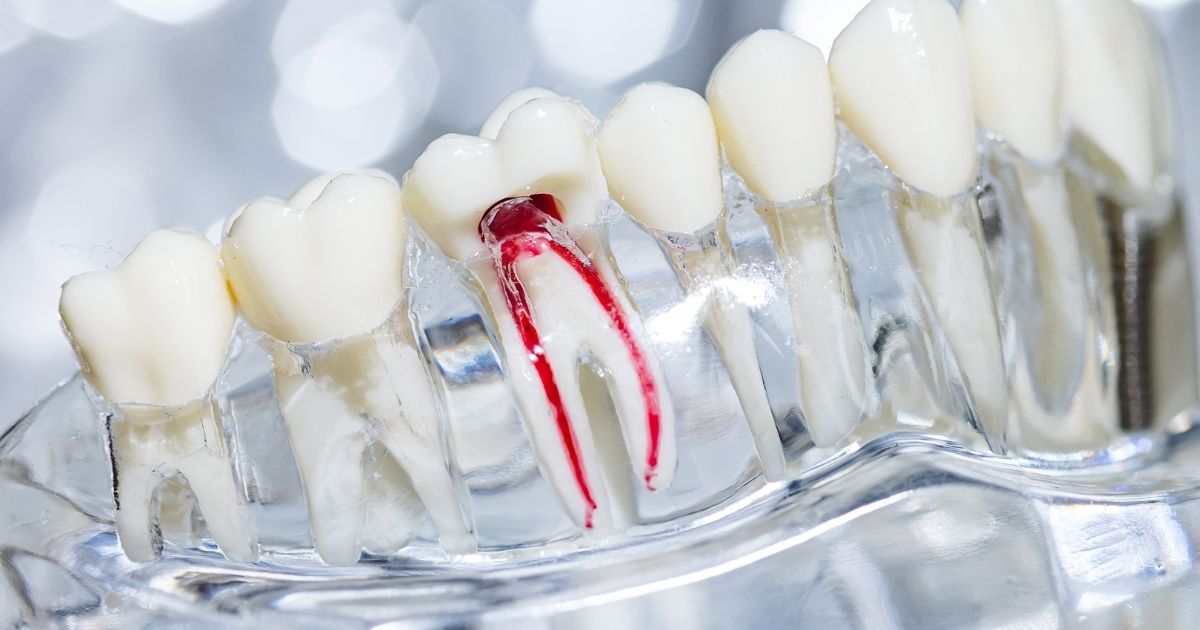
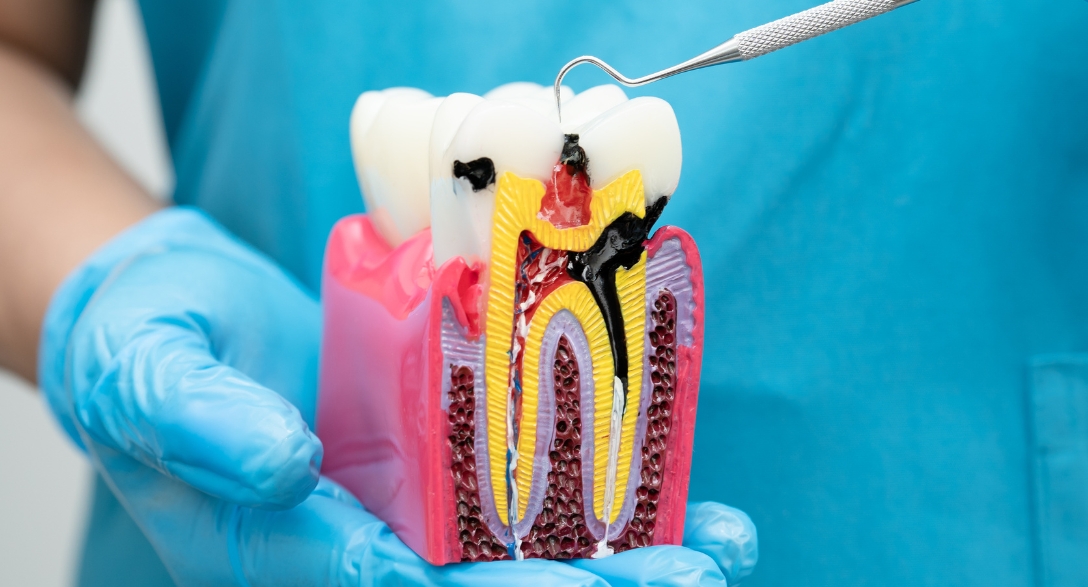
A root canal saves a severely infected or damaged tooth by removing the infected pulp. However, root canal failure can occur, leaving patients with discomfort, swelling, or recurring infections. Ignoring these symptoms can lead to more severe complications. Understanding why root canals fail is crucial for timely intervention.
The two primary solutions for a failing root canal are retreatment and surgery. Both approaches aim to restore the tooth’s health, relieve pain, and prevent extraction. Root canal retreatment involves reopening the tooth, removing the infection, and resealing it. Surgical options, like apicoectomy, directly target the infection site.
Modern techniques and technology have significantly improved the success rates of both procedures. This blog explores the causes of root canal failure and explains how retreatment or surgery can help save your tooth.
Why Do Root Canals Fail?
Root canals can fail for various reasons, even when performed with precision. Here are the most common causes:
- Incomplete Removal of Infection:
If the infected tissue isn’t completely removed, bacteria can persist and cause reinfection. - Complex Root Anatomy:
Some teeth have intricate or curved root canals that make complete cleaning challenging. - New Infections or Trauma:
A previously successful root canal may fail due to new infections or dental injuries. - Delayed or Improper Restoration:
A tooth that isn’t restored on time or correctly may develop cracks, allowing bacteria to enter. - Weakened Tooth Structure:
Teeth undergoing root canals become brittle and prone to fractures without proper support.
Recognizing these factors early can help patients seek timely treatment, improving the chances of saving the tooth.
Retreatment – A Second Chance for Your Tooth
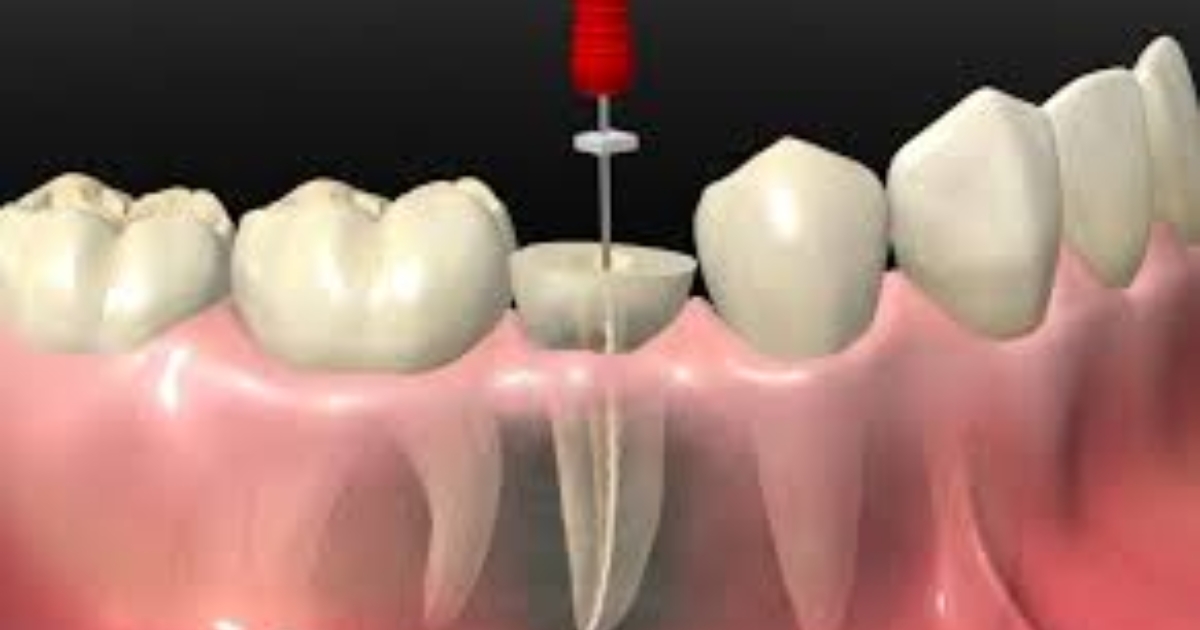
Root canal retreatment offers a second chance to save a failing tooth. Dentists recommend retreatment when reinfection or unresolved issues appear after the initial procedure. This process involves cleaning the tooth again, treating the infection, and sealing it properly.
Step-by-Step Overview of Retreatment:
- Tooth Reopening:
The dentist removes the existing crown or filling to access the root canals. - Infection Removal:
Specialized tools clean the canals, removing infected tissue and any missed debris. - Canal Reshaping and Disinfection:
The dentist reshapes and disinfects the canals using advanced instruments and solutions. - New Filling Placement:
After cleaning, the canals are filled with biocompatible material to prevent reinfection. - Tooth Restoration:
A new crown is placed to protect the tooth and restore functionality.
Success Rates and Key Factors:
Root canal retreatment has a high success rate, especially when performed by an adept endodontist. Factors like the tooth’s location, complexity of root canals, and timely intervention influence outcomes.
Retreatment is recommended when the infection is localized and the tooth structure remains intact. Modern techniques like digital imaging and advanced cleaning systems have significantly improved success rates.
Surgical Solutions – Apicoectomy Explained
When retreatment isn’t sufficient, an apicoectomy can help save the tooth. This surgical procedure targets the root tip and surrounding infected tissue.
What Is an Apicoectomy?
An apicoectomy, or root-end surgery, involves removing the root tip and infected tissue. Dentists recommend it when standard root canal retreatment fails or isn’t feasible.
How It Differs from Retreatment:
Retreatment addresses issues within the root canals Colleyville, while an apicoectomy focuses on the root’s exterior.
Step-by-Step Procedure:
- Anesthesia Application:
The area is numbed for a pain-free experience. - Surgical Access:
The dentist makes a small incision in the gum to access the root tip. - Infected Tissue Removal:
The infected tissue and root tip are removed carefully. - Sealing the Root End:
A small filling is placed at the root tip to prevent future infections. - Suturing the Gum:
The gum is stitched back into place, and healing begins.
When Is Surgery the Best Option?
Dentists recommend an apicoectomy when retreatment isn’t possible due to complex anatomy or persistent infection. It’s often the last attempt to save the natural tooth before extraction becomes necessary.
Comparing Retreatment and Surgery
Choosing between retreatment and surgery depends on several factors. Both procedures aim to save the tooth, but they differ in approach and complexity.
Key Factors to Consider:
- Tooth Anatomy:
Teeth with complex or narrow canals might benefit more from surgery. - Infection Severity:
Mild infections often respond well to retreatment, while severe cases may need surgery. - Previous Treatments:
Teeth with multiple prior treatments might require surgical intervention.
Cost and Recovery Time:
Retreatment is typically less invasive and more affordable than surgery. Recovery from retreatment takes a few days, while surgery may require more time and follow-up visits.
When Extraction Might Be Necessary:
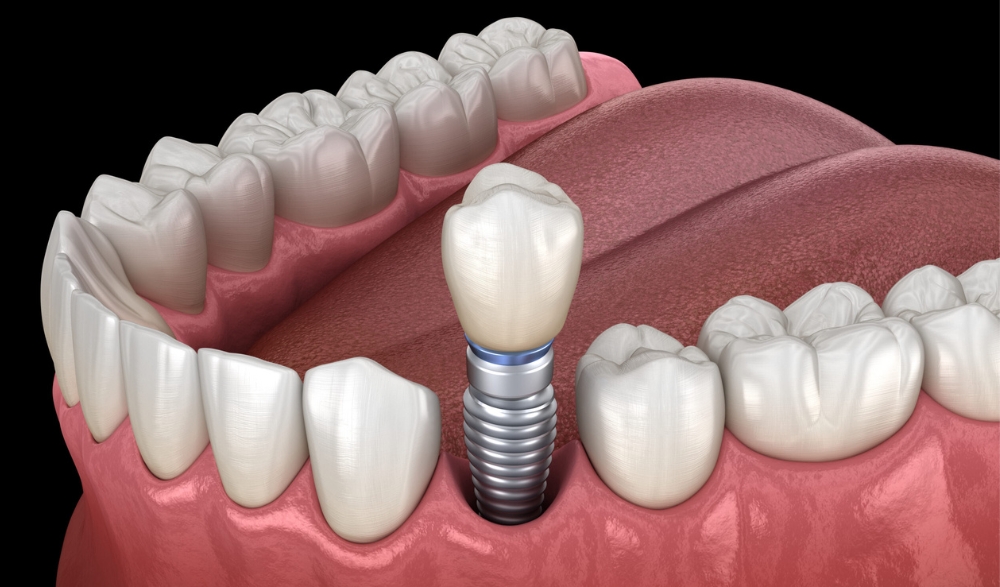
If the tooth structure is too weak or the infection too severe, extraction becomes the last resort. However, saving the natural tooth with retreatment or surgery is always the preferred option.
How to Improve the Chances of Success
The success of retreatment or surgery depends on several factors. Patients can take proactive steps to improve their outcomes.
1. Choose a Qualified Endodontist:
Specialists have advanced training and use modern techniques for better success rates.
2. Follow Good Oral Hygiene Practices:
Brushing twice daily, flossing, and using antibacterial mouthwash prevent reinfection.
3. Schedule Regular Dental Checkups:
Routine visits help detect issues early and allow timely interventions.
4. Follow Post-Treatment Care Instructions:
Adhering to aftercare guidelines supports faster healing and prevents complications.
5. Recognize Early Warning Signs:
Don’t ignore persistent pain, swelling, or unusual sensations in the treated tooth. Early intervention can make a significant difference in the success of retreatment or surgery.
Root canal failure can cause discomfort, but retreatment or surgery often saves the tooth. Retreatment addresses internal infections, while surgery targets external root issues.
Consulting our qualified endodontists is crucial for choosing the best treatment option. With modern dental techniques, saving a failing root canal is more successful than ever. Don’t delay treatment if you experience pain or swelling. Early action increases the chances of saving your natural tooth and avoiding more invasive procedures.