Call Us Today 817-737-7668

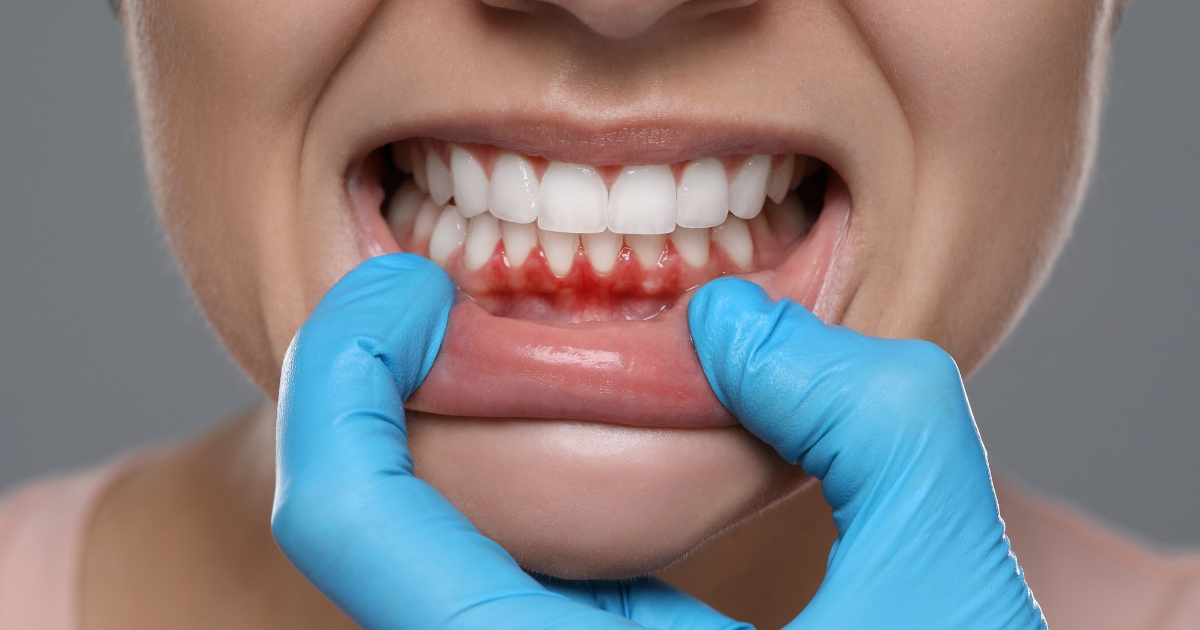
Gum recession exposes the roots of your teeth. It can increase the risk of tooth decay. If you ignore gum recession, it can cause severe dental problems and costly treatments.
You must understand the connection between gum recession and tooth decay. It will help maintain strong, healthy teeth. Regular dental check-ups and good oral hygiene prevent these oral health issues.
What is the Gum Recession?
Gum recession is when the gum tissue recedes. It reveals more of the tooth or root. Aggressive brushing, gum disease, genetics, and poor dental hygiene are some of the most common causes.
Smoking and lack of proper dental care can also result in receding gums. Receding gums tend to make teeth appear longer. As a result, it increases sensitivity.
Exposed roots have the ability to expose teeth to damage and decay. Early identification of gum recession prevents additional complications and the necessity for aggressive dental procedures.
What is Tooth Decay?
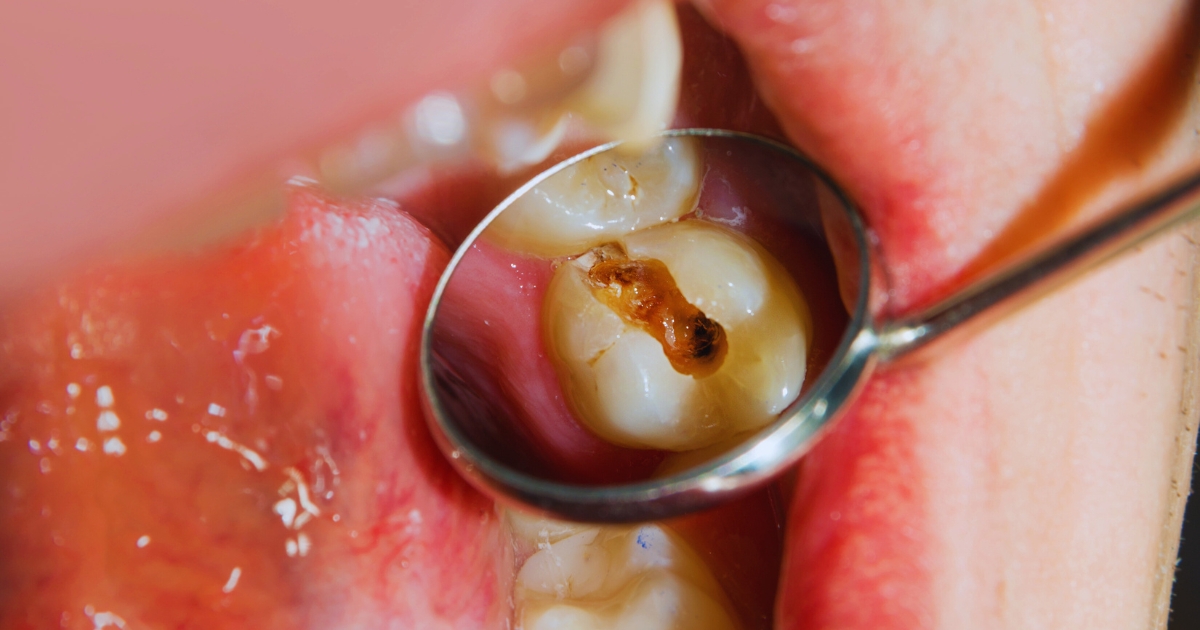
Dental decay is the progressive weakening of the tooth’s enamel. Generally, it leads to cavities. Plaque formation on teeth enables the bacteria to develop acids that dissolve the enamel. The consumption of sweets and sweetened beverages accelerates the process.
Dry mouth and not brushing teeth regularly also risk tooth decay. Decay may cause pain and sensitivity. When you leave them untreated, it may result in serious dental problems. Brushing, flossing, and trips to the dentist prevent decay.
How Gum Recession Causes Tooth Decay
Gum recession exposes the roots of teeth. Tooth roots do not have the protective enamel that crowns possess. The American Dental Association states that 47% of adults aged 30 and older suffer from gum recession.
Exposed roots are more susceptible to decay because they are covered by cementum, which is a softer substance than enamel. Receding gums form pockets between the gums and teeth where bacteria can multiply. These pouches are hard to clean from plaque and bacteria. As a result, they can cause tooth decay.
When gums pull back, acidic foods and beverages are more likely to hurt the exposed roots. Proper oral hygiene, such as gentle brushing and flossing, can lower the threat of decay. Regular cleanings at the dentist also keep gums healthy. Moreover, it helps avoid recession-caused tooth decay.
Risk Factors and Who Is Most at Risk
Smokers, people with a history of gum disease in their families, and those who have poor oral hygiene are at higher risk of developing receding gums and tooth decay. It is to be stated that smokers are found to be twice as likely to develop gum disease. This results in receding gums.
Age is also a factor because gum recession is more frequent in individuals above 40 years of age. In addition, hormonal fluctuations, like those undergone during pregnancy, tend to cause gum disease more. Treatment of these risk factors can lessen the chances of dental complications.
When to See a Dentist?
Having a dentist consult as soon as you notice gum recession symptoms or tooth decay is essential. Warning signs are sensitive teeth, seen roots, swollen or bleeding gums, and bad breath.
Early intervention stops further destruction. It can also save your teeth. Putting off a trip to the dentist means that more painful oral health conditions and more intensive procedures will eventually be needed. Regular dental appointments allow for an early detection of gum recession and timely treatment.
Gum recession and tooth decay are closely related. Both can damage your oral health. Practicing good oral hygiene, frequent visits to the dentist, and treating signs of gum problems early can significantly avoid serious dental issues.
Act today. Develop healthy oral care habits and book a dental check-up with our dentists. Prioritizing gum and tooth health guarantees a brighter, healthier smile.