
Call Us Today 817-737-7668

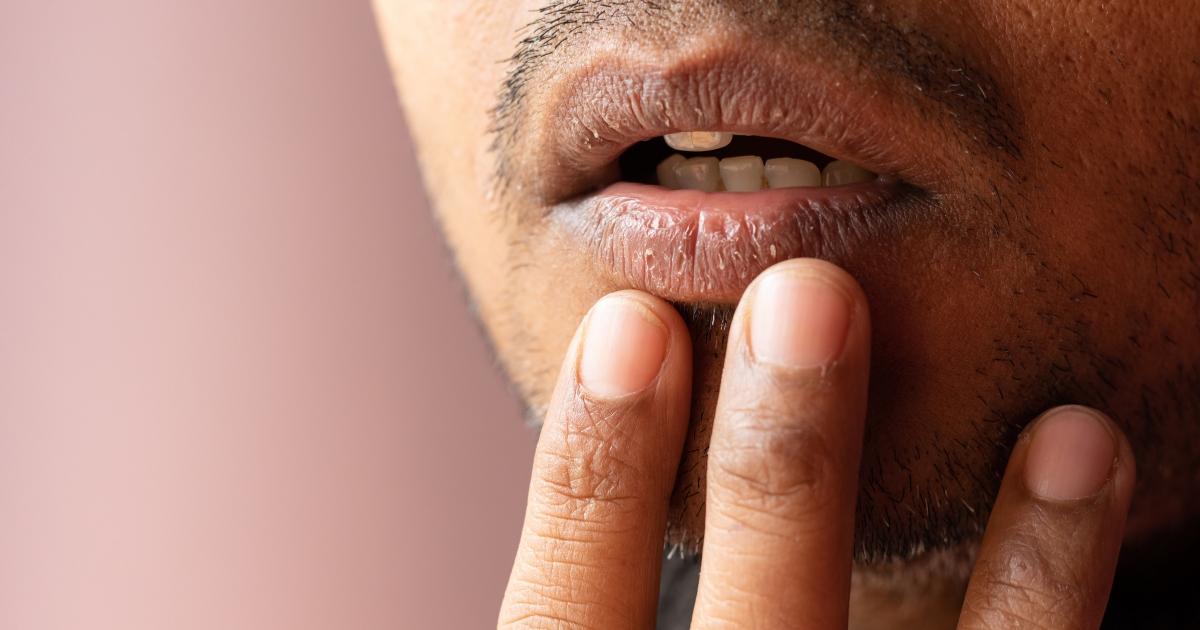
Have you woken up with a dry, parched mouth again and thought it was dehydration? Think again! What if your body is warning you about something greater? That sticky, dry sensation isn’t normal. Welcome to the life of dry mouth, also referred to as xerostomia. It’s more prevalent than you may imagine.
If you disregard it, it can disrupt your sleep, smile, and even your speech.
What is Dry Mouth?
Dry mouth occurs when the salivary glands don’t produce enough saliva. Saliva does more than keep the mouth moist. It helps protect teeth and combat bacteria. Without it, your mouth becomes a breeding ground for decay, discomfort, and infection.
You must take it as a red flag if dryness persists or increases. Don’t wait—make an appointment with your endodontist in Colleyville before complications set in.
Mild dryness can be controlled. However, chronic dry mouth requires professional care. It’s time to stop neglecting that sticky, sore feeling.
Common Causes of Dry Mouth
Medications
Some medications, such as antidepressants, antihistamines, and blood pressure medications, can result in this issue. You should talk to your endodontist if symptoms become worse after taking medication.
Medical Conditions
Autoimmune disorders such as Sjögren’s syndrome and diabetes frequently cause chronic dry mouth. These conditions require medical assistance and frequent follow-up.
Lifestyle Factors
Alcohol, caffeine, and smoking dry out your mouth. Dehydration due to a failure to consume water also results in this symptoms.
Aging and Hormonal Changes
Saliva production reduces with age, particularly with menopause or the use of multiple medications.
Cancer Treatments
Radiation and chemotherapy can harm salivary glands and cause severe dry mouth. You must ask your endodontist for preventative treatment before and after therapy.
Symptoms to Watch For
You might develop a persistent thirst that won’t quit, even if you drink lots of water. A sticky or dry sensation may persist in the back of your mouth all day. Cracked lips, mouth ulcers, and a burning tongue may follow. You might also have trouble chewing or swallowing dry foods such as crackers.
Speech becomes more complex, and food tastes oddly bland or metallic. Bad breath becomes more common and embarrassing, particularly during social interactions. Your endodontist can find these signs during a routine checkup.
Effective Treatment Options
Hydration & Lifestyle Changes
Drink water throughout the day. Consider avoiding alcohol, caffeine, and sugary snacks as they can exacerbate this problem.
Over-the-Counter Remedies
You must use saliva substitutes or sugar-free mints. It will stimulate natural moisture.
Prescription Medications
Physicians prescribe pilocarpine or cevimeline to increase saliva production. When taking medication, always consult your endodontist’s instructions.
Dental Products for Dry Mouth
In addition, you can use dry mouth toothpaste and mouthwash. Search for xylitol, a non-hazardous ingredient.
Treating the Underlying Cause
You must treat chronic diseases or change medications with a doctor’s consultation. Your Endodontist is an essential player in all this.
This issue may be irritating. However, it can cause many serious dental problems if you leave them untreated. Symptoms such as sticky saliva, bad breath, and swallowing issues are worth taking seriously.
Basic routines and suitable products can bring enduring relief. Our endodontists will provide treatment and prevention tips.
Don’t let it get out of hand. See someone before the pain takes hold. Care for your smile. Hydration is healing. Action makes it possible.