Call Us Today 817-737-7668


Endodontic treatment is essential for saving teeth that are damaged or infected. Traditionally, root canal therapy has been the go-to solution for addressing these issues. However, there are limitations to this approach, especially when dealing with complex cases. For situations where conventional methods are insufficient, advanced endodontic care provides specialized surgical solutions.
This blog will explore how these advanced techniques address more challenging endodontic issues and offer effective solutions for preserving dental health.
What Makes Endodontic Cases Complex?
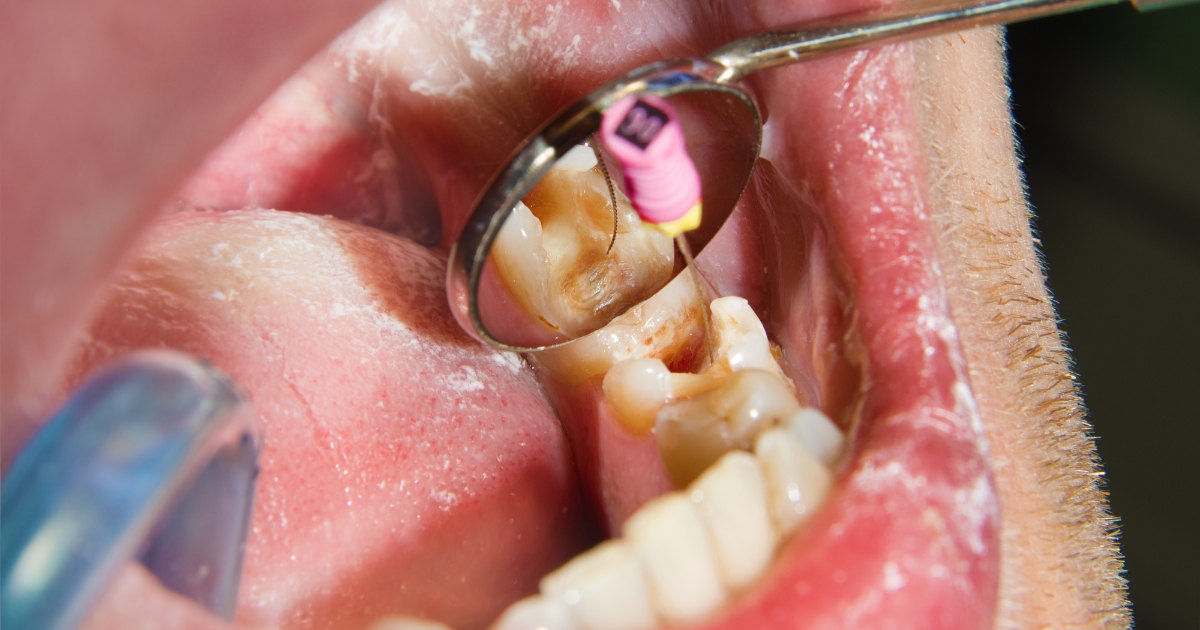
Complex endodontic cases present unique challenges that go beyond what traditional root canal therapy can address. Some of these complexities include:
- Curved Roots: Roots that are severely curved or irregular can be difficult to navigate and clean thoroughly with standard methods.
- Calcified Canals: Over time, the canals within a tooth may become calcified, making it challenging to access and treat them effectively.
- Previous Failed Root Canal: If a previous root canal has failed, the existing infection or issue may require advanced intervention to resolve.
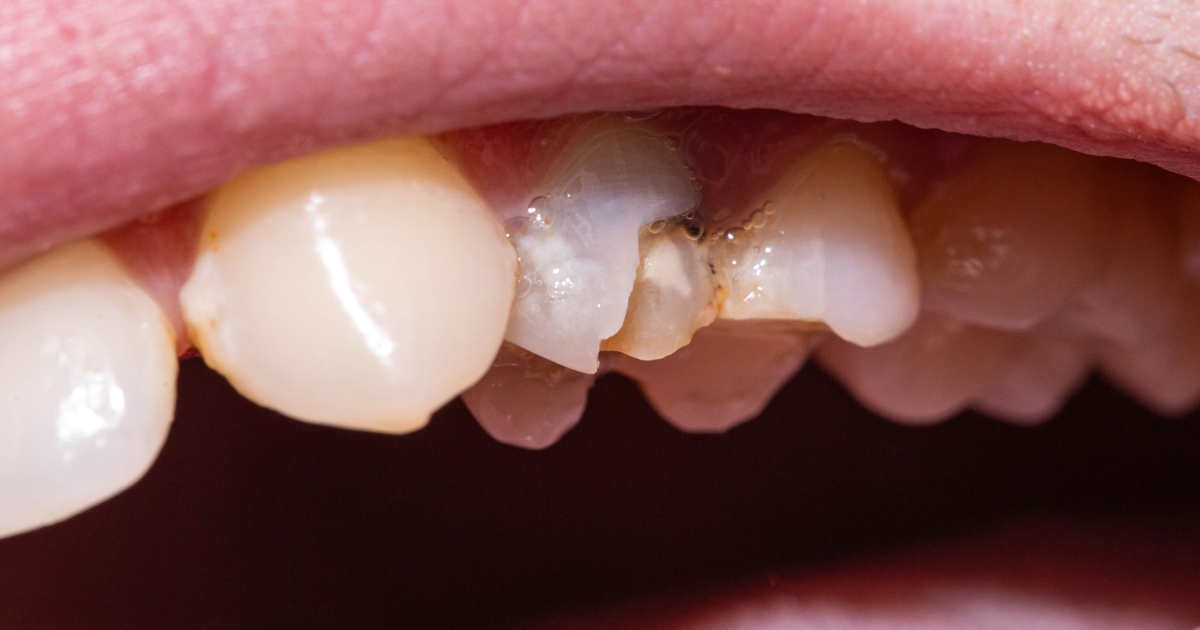
- Tooth Fractures: Fractures in the tooth can complicate treatment and may necessitate surgical procedures to address the damage and preserve the tooth.
These challenges emphasize the need for specialized care. Advanced endodontic techniques are designed to tackle these complex issues and achieve successful outcomes.
Endodontic Surgery: A Closer Look
Endodontic surgery, particularly apicoectomy, is a crucial procedure for managing complex cases. Here’s a step-by-step overview of what the procedure entails:
- Incision: The process begins with making a small incision in the gum tissue to access the root of the affected tooth.
- Removal of Infected Tissue: Once access is gained, the surgeon removes any infected tissue from the tip of the root.
- Root Tip Resection: The end of the root is then resected (cut off) to eliminate the source of infection.
- Filling: After cleaning the area, the root tip is filled with a biocompatible material to seal it and prevent future infections.
- Suturing: The incision is then closed with sutures, and the area is allowed to heal.
The benefits of endodontic surgery in Little Elm include preserving the tooth that might otherwise need extraction, relieving pain, and preventing further infection. This surgical approach provides a viable solution for managing complex endodontic issues effectively.
What are the Types of Endodontic Surgery?
Several types of endodontic surgery address different issues:
- Apicoectomy: Endodontists use this procedure when an infection persists after a root canal or when accessing difficult-to-reach areas of the tooth is necessary.
- Root Canal Retreatment Surgery: When a previous root canal fails, this surgery involves removing the old filling material, cleaning the canal, and refilling it.
- Periapical Surgery: This surgery focuses on removing infected tissue around the apex (tip) of the tooth’s root. It’s similar to apicoectomy but can involve different techniques based on the specific case.
The type of surgery depends on the nature of the endodontic issue and the specific needs of the patient. These procedures help address a range of problems and improve dental health outcomes.
Advanced Techniques in Endodontic Surgery
Modern endodontic surgery benefits from advanced technologies that enhance precision and effectiveness:
- Microscopes: Operating microscopes allow for greater visibility of the root canal system, improving the accuracy of the procedure.
- Lasers: Endodontists use lasers to remove infected tissue and disinfect the root canal, providing minimal discomfort and faster healing.
- CBCT Imaging: Cone Beam Computed Tomography (CBCT) provides detailed 3D images of the tooth and surrounding structures, allowing for better diagnosis and treatment planning.
These technologies contribute to more precise procedures, improved outcomes, and a better overall patient experience.
Patient Care and Recovery
After undergoing endodontic surgery, proper care is crucial for a successful recovery:
- Patient Concerns: It’s natural to have concerns about surgery, but understanding the procedure and having a detailed care plan can help ease anxiety.
- Post-Operative Care: Follow the endodontist’s instructions regarding medication, diet, and oral hygiene. Pain management and keeping the area clean are essential for healing.
- Recovery Time: Recovery typically involves some swelling and discomfort, which should subside within a few days to a week. Following the care instructions and attending follow-up appointments ensures proper healing.
When to Seek Advanced Endodontic Care?
Knowing when to seek advanced endodontic care is important for managing complex cases effectively:
- Signs of Complexity: If you experience persistent pain, swelling, or signs of infection after a root canal, it may indicate the need for advanced treatment.
- Consult an Endodontist: If your case involves severe root issues or previous treatment failures, consult an endodontist in Little Elm for evaluation. Their expertise can provide the specialized care needed.
- Early Intervention: Addressing issues early can prevent complications and increase the likelihood of successful treatment. Early intervention is key to managing complex endodontic cases effectively.
Advanced endodontic care offers crucial solutions for managing complex dental issues that traditional treatments may not resolve. By utilizing advanced techniques and specialized procedures, patients can benefit from improved outcomes and preserved dental health.
If you face challenging endodontic problems, consulting with an expert can provide the necessary care and support. For those in need of such specialized care, exploring advanced endodontic solutions might be the best path to maintaining a healthy and functional smile.