Call Us Today 817-737-7668


Experiencing a failed root canal can feel frustrating and daunting. You might wonder if there’s still hope for your tooth or if extraction is your only option.
The good news?
Endodontic retreatment offers a chance to save your natural tooth and restore your oral health. Understanding what retreatment involves can empower you to make informed decisions about your dental care.
In this blog, we’ll explore the ins and outs of endodontic retreatments. We’ll discuss why some root canals fail and the signs that indicate a problem. You’ll learn about the retreatment process, the factors that influence its success, and the considerations involved. Most importantly, we’ll cover how to maintain your dental health after retreatment, ensuring your smile stays bright and healthy for years to come.
So, if you’re ready to dive into the world of endodontics and discover how to navigate this journey, let’s get started!
Understanding Endodontic Retreatment
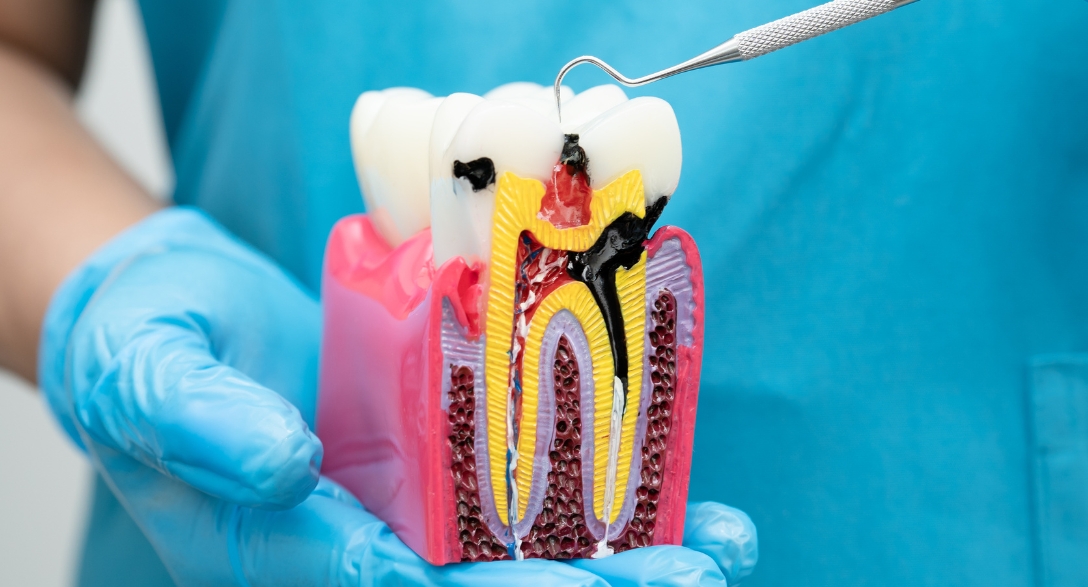
Endodontic retreatment is a procedure designed to save a tooth that has previously undergone a root canal but has developed new issues. This treatment aims to address the underlying problems, such as infection or incomplete cleaning of the tooth’s canals. Unlike extraction, which involves removing the tooth entirely, retreatment focuses on preserving your natural tooth, and enhancing your long-term oral health.
- Purpose of Retreatment: The primary goal is to alleviate pain and eliminate infection while retaining the tooth.
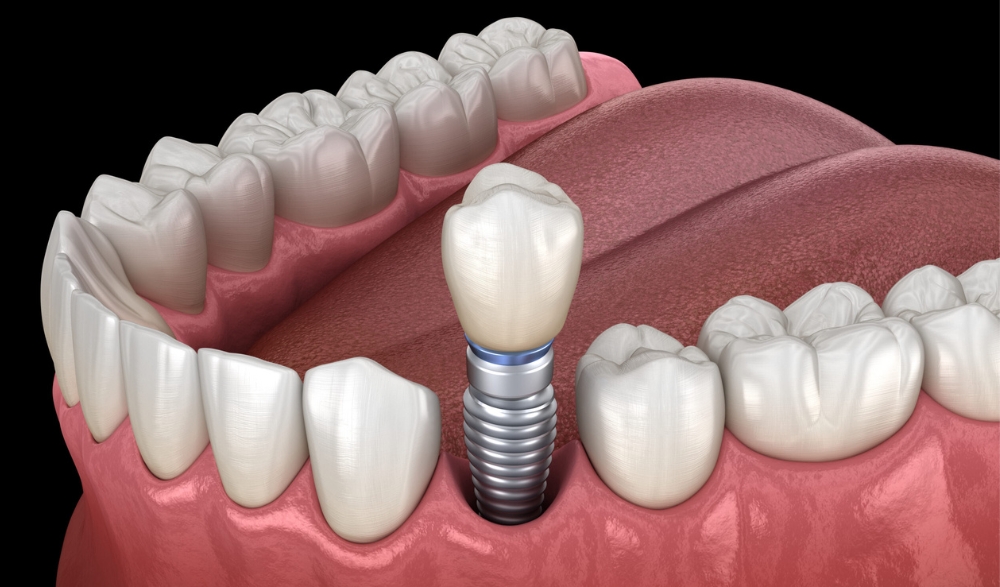
- Retreatment vs. Extraction: Retreatment seeks to repair the tooth, whereas extraction removes it, leading to possible complications like shifting teeth or bone loss.
The Retreatment Process: What to Expect?
Understanding what happens during retreatment can ease your concerns. The process typically involves several steps, each crucial for ensuring the tooth’s health.
- Initial Examination: Your endodontist will assess the tooth using X-rays to identify the issue.
- Local Anesthesia: To ensure comfort, anesthesia numbs the area around the tooth.
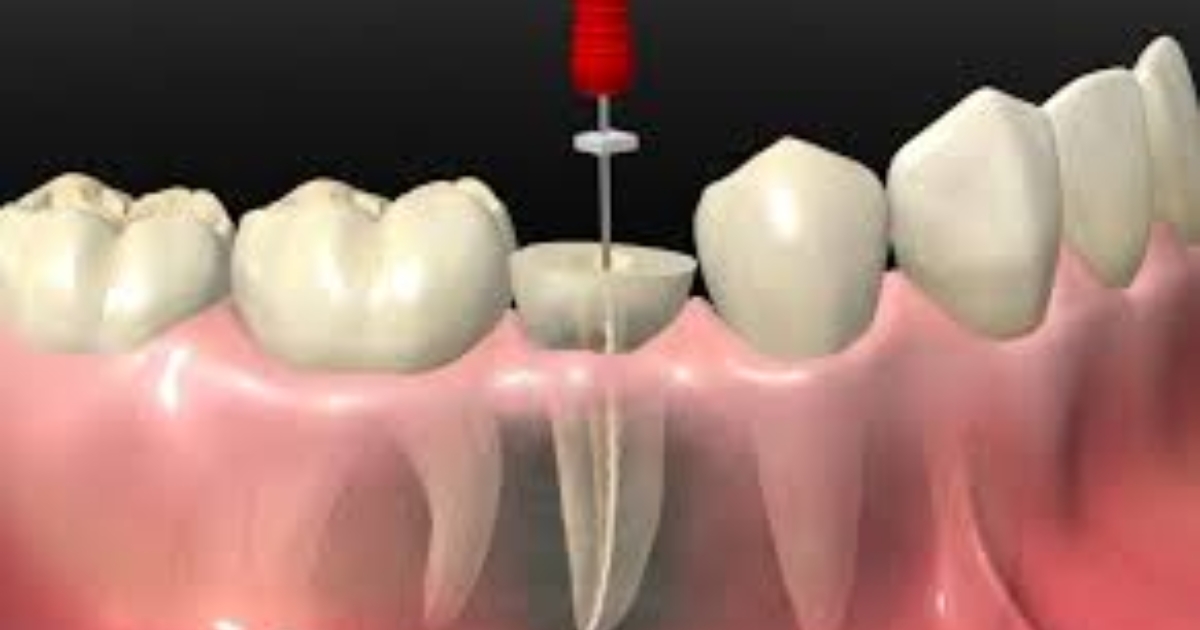
- Accessing the Canals: The endodontist creates an opening to access the root canals.
- Cleaning and Disinfecting: The canals are thoroughly cleaned and disinfected to remove any infected tissue.
- Filling and Sealing: Finally, the canals are filled and sealed, often followed by a restoration to strengthen the tooth.
Factors Affecting Retreatment Success
Several factors can influence the success of your endodontic retreatment. Understanding these can help you manage your expectations.
- Condition of the Tooth: The overall health of the tooth and surrounding bone is crucial. Poor conditions can lead to lower success rates.
- Extent of Previous Treatment: If prior treatment was incomplete or improperly executed, it may complicate the retreatment process.
- Patient’s Oral Hygiene: Consistent oral care plays a vital role in ensuring long-term success after retreatment.
Considerations for Endodontic Retreatment
Endodontic retreatment, while generally successful, comes with certain considerations that can enhance your recovery experience. Being aware of these can help you feel more prepared.
- Challenges During Retreatment: Some cases may involve blocked canals or complex root structures. Your endodontist can use specialized techniques or tools to manage these effectively.
- Post-Treatment Signs to Monitor: After your procedure, it’s beneficial to be aware of any changes. Mild discomfort or swelling can be part of the healing process, but it’s good to stay attentive to any unusual symptoms.
- Importance of Follow-Up: Regular follow-up appointments play a crucial role in ensuring your recovery stays on track. These visits allow your endodontist to monitor your healing and address any questions you may have.
Long-Term Outcomes After Retreatment
The long-term success of retreatment can significantly impact your dental health and overall well-being.
- Lifespan of Treated Teeth: Many retreated teeth can last a lifetime, especially with proper care and regular check-ups.
- Benefits of Saving Natural Teeth: Retaining your natural teeth helps maintain proper alignment and function, positively affecting your bite and aesthetics.
Tips for Maintaining Dental Health After Retreatment
Proper aftercare is essential for ensuring the longevity of your treated tooth. Here are some effective strategies:
- Follow Post-Treatment Instructions: Adhere to any guidelines provided by your endodontist for the best recovery outcomes.
- Regular Check-Ups: Schedule consistent visits to monitor the health of your teeth and gums.
- Good Oral Hygiene Practices: Brush and floss regularly to prevent new infections and maintain overall dental health.
If you have concerns about your treatment or need guidance, consult an endodontist in Aledo for personalized advice and care.
Endodontic retreatment offers hope for saving a tooth that has previously undergone a root canal. By understanding the process and its benefits, you can make informed decisions about your dental health. Remember, your journey doesn’t end with the treatment; maintaining regular check-ups and following your endodontist’s advice is key to long-term success. Embrace the opportunity to keep your natural tooth and enjoy a healthier smile for years to come!