Call Us Today 817-737-7668

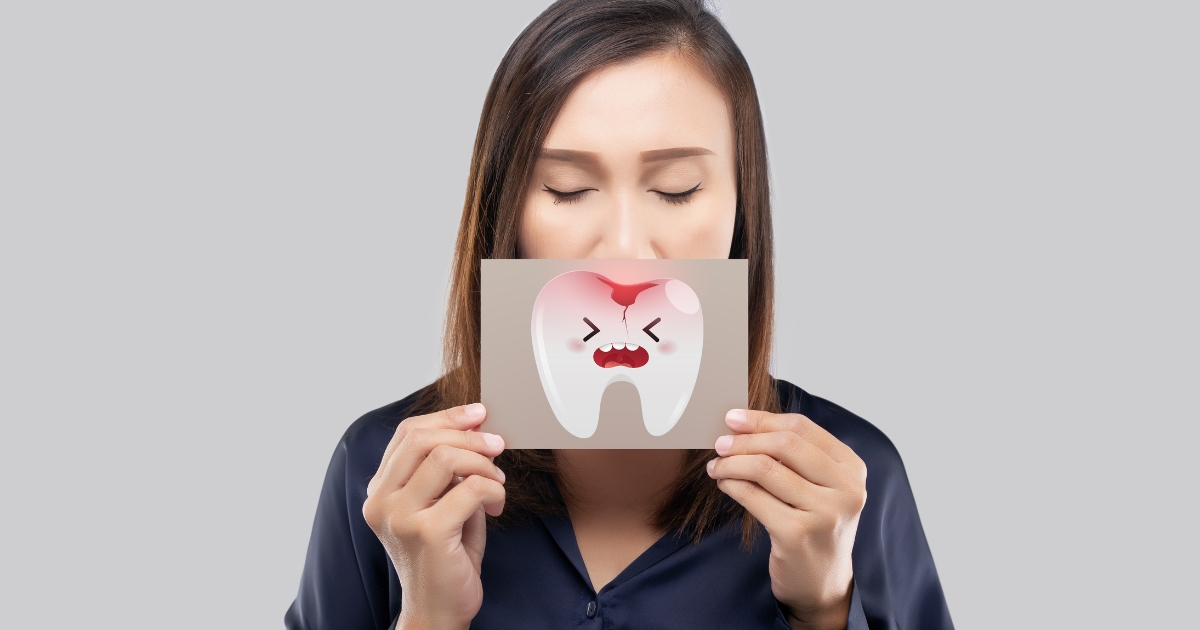
Jaw pain can disrupt your daily life and make even the simplest tasks feel daunting. If you’ve ever felt discomfort while chewing or noticed tightness in your jaw, you might wonder about the underlying causes.
Surprisingly, dental health plays a significant role in jaw pain, and endodontic treatment could be a solution. Understanding this connection is crucial for effective relief.
Endodontic treatment focuses on the inner workings of your teeth, specifically the pulp. When dental issues arise, they can lead to jaw discomfort, impacting your quality of life.
In this blog, we’ll explore how endodontic procedures can alleviate jaw pain and what signs to look for when assessing your symptoms. You’ll discover when it’s time to consult an endodontist and how timely intervention can make all the difference.
Ready to dive into the world of dental health and jaw pain? Let’s uncover how a healthier smile might just lead to a more comfortable jaw!
Understanding the Different Types of Jaw Pain
Jaw pain can stem from various sources, including the jaw joint itself or underlying dental issues. It’s important to understand what type of pain you’re experiencing because the cause will determine the best course of action. Many people confuse tooth-related discomfort with temporomandibular joint (TMJ) pain, but the two can be distinctly different. Recognizing the right symptoms is crucial for treatment.
- TMJ Disorders: Affect the hinge connecting your jaw to your skull, often causing clicking sounds, headaches, or limited movement.
- Tooth-Related Pain: Originates from issues like tooth decay, infection, or abscess, which can radiate to the jaw.
- Muscle Strain: Caused by grinding teeth (bruxism) or excessive chewing, leading to sore jaw muscles.
- Trauma: An injury to the jaw, whether from an accident or physical impact, can lead to long-term discomfort.
By identifying the root cause of your jaw pain, you can better determine if it’s dental-related and requires treatment by an endodontist.
How Endodontic Treatment Relieves Jaw Pain?
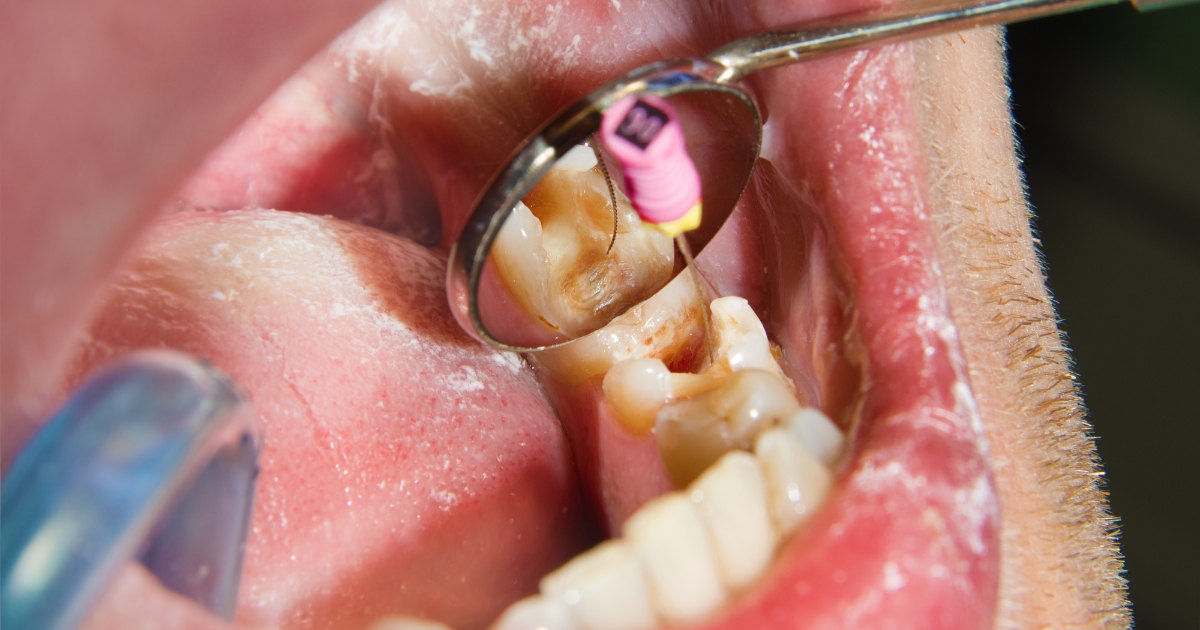
Endodontic treatment goes beyond just saving teeth; it can also alleviate discomfort in surrounding areas like the jaw. When tooth infections or damaged pulp remain untreated, the pain can extend beyond the tooth, causing jaw pain and swelling. Fortunately, endodontic treatment offers a targeted solution.
- Root Canal Therapy: This procedure removes infected tissue from inside the tooth, relieving pressure and pain that may radiate to the jaw.
- Abscess Drainage: An abscess can cause significant pain that affects not only the tooth but the entire jaw. Endodontic procedures effectively drain the infection.
- Prevention of Future Issues: By treating the source of the problem early, endodontic treatment can prevent the escalation of jaw pain caused by infections.
With advances in techniques and anesthetics, this treatment is both efficient and comfortable, targeting the exact dental issue causing your pain.
Dental Problems that Lead to Jaw Pain: What Endodontists Treat?
Endodontists specialize in treating conditions that affect the pulp and roots of teeth, which often lead to jaw pain if left untreated. Understanding these conditions can help you take proactive steps to prevent discomfort.
- Infected Tooth: When bacteria invade the pulp, the infection can spread, causing severe toothache and jaw pain.
- Dental Abscess: A buildup of pus at the tooth’s root or gums that can cause swelling and pain extending into the jaw.
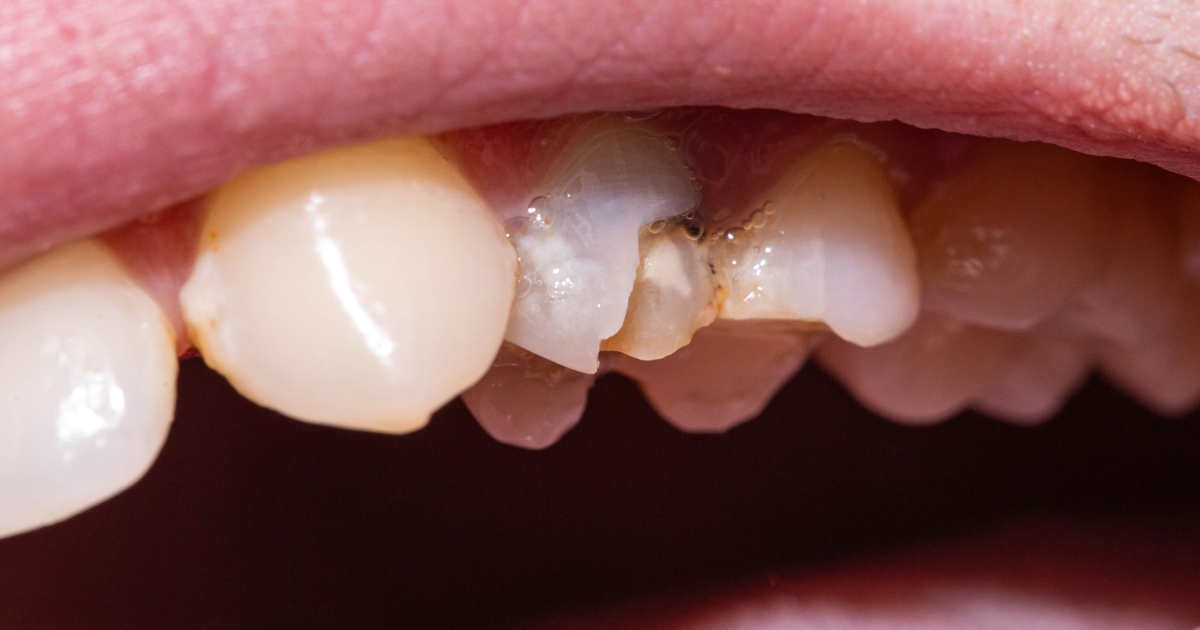
- Cracked or Fractured Teeth: Damage to the tooth’s structure can irritate nerves and lead to pain radiating to the jaw.
- Decay Reaching the Pulp: If untreated, deep decay can result in root infection, which can contribute to jaw pain.
In each case, endodontic treatment addresses the underlying cause of the problem, not just the symptoms. If you’re experiencing persistent jaw pain, consider consulting an endodontist in Forney to evaluate your condition.
Key Symptoms That Signal You Might Need Endodontic Care
Recognizing the early signs of dental problems is vital in preventing jaw pain from worsening. Endodontic treatment can save your teeth and eliminate jaw discomfort when these symptoms are caught early.
- Severe Toothache: A persistent toothache that doesn’t go away might indicate a deep infection requiring endodontic treatment.
- Jaw Swelling: Infections or abscesses can cause swelling in the jaw, signaling a problem within the tooth.
- Tooth Sensitivity: Prolonged sensitivity to hot or cold, especially when accompanied by jaw pain, can indicate a problem deep within the tooth.
- Pain When Chewing: If your jaw hurts when chewing or putting pressure on a specific tooth, the underlying cause may need endodontic attention.
Acting quickly when these symptoms occur can prevent the infection from spreading and worsening jaw pain.
How Endodontists Diagnose the Source of Jaw Pain?
Determining the cause of jaw pain requires expertise, and endodontists use several diagnostic tools to assess whether the discomfort is dental-related. Understanding the diagnostic process can help you feel more confident in seeking care.
- X-rays: These imaging techniques allow endodontists to see deep inside your teeth and jaw, helping pinpoint infections or abscesses.
- Clinical Exams: By examining your teeth and jaw, endodontists can check for signs of inflammation, infection, or trauma that might be causing the pain.
- Pulp Testing: This method assesses the health of the tooth’s pulp, helping to confirm whether root canal therapy is needed.
Accurate diagnosis ensures the right treatment plan to address both the dental issue and the jaw pain it causes.
When to Reach Out for Help: Knowing When It’s Time to Consult an Endodontist
It’s crucial to act quickly when jaw pain persists or worsens over time. Ignoring these symptoms can lead to more severe complications, including tooth loss and chronic jaw discomfort. Here’s when you should consider seeing an endodontist:
- Persistent Pain: If the pain continues for more than a few days and affects your daily life, consult an endodontist.
- Swelling: Any swelling around your jaw, face, or gums requires immediate attention.
- Tooth Sensitivity: Increased sensitivity to temperature or pressure can signal a deeper issue that requires treatment.
- Recurring Infections: If you’ve had multiple infections or abscesses, it’s time to explore endodontic solutions to stop the problem from recurring.
Jaw pain can be more than just an inconvenience—it can signal serious underlying dental issues. By recognizing the signs and seeking timely treatment, especially from an endodontist, you can find lasting relief. Don’t let jaw discomfort affect your daily life; consult an expert and explore the possibility that endodontic treatment may be the solution. Whether it’s an infection or a damaged tooth, addressing the problem early ensures a healthier, pain-free future for both your jaw and overall oral health.