Call Us Today 817-737-7668

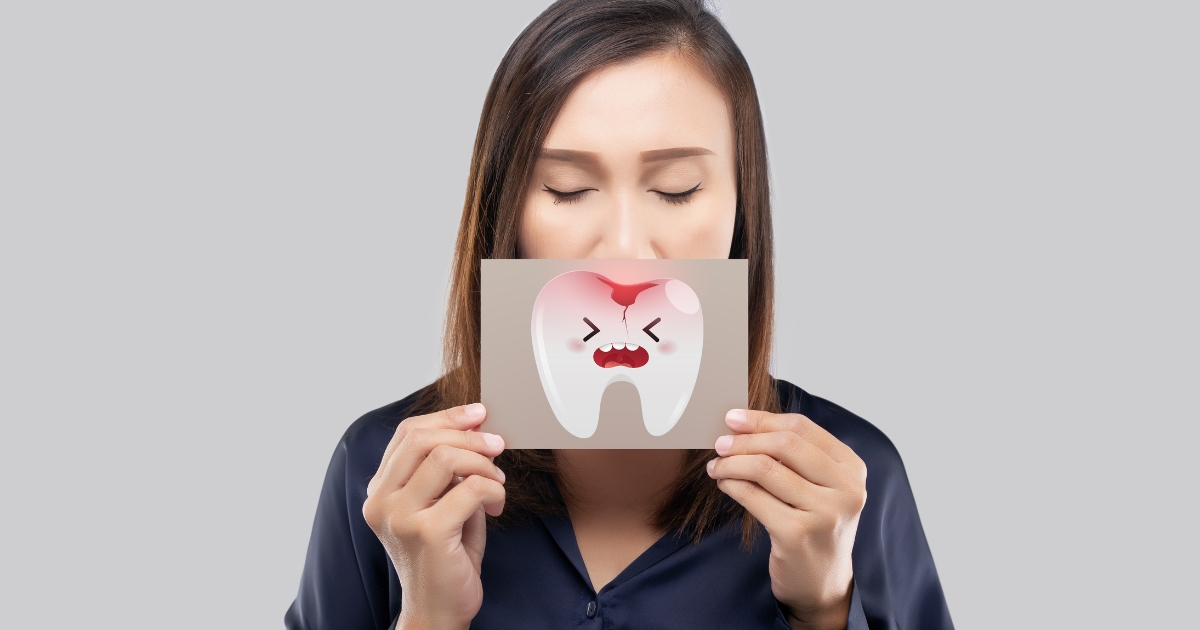
Tooth pain can disrupt your day and make even the simplest tasks feel daunting. Whether you’re biting into a crisp apple or sipping a hot cup of coffee, that sudden, sharp pain can stop you in your tracks.
Understanding what causes tooth pain not only helps you manage discomfort but also empowers you to seek the right treatment when necessary.
In this blog, we’ll explore the top causes of tooth pain and when you should consider endodontic treatment. From cavities to cracked teeth, each issue carries its own warning signs. We’ll also discuss how endodontic treatment can save your natural teeth and improve your overall oral health.
By recognizing the symptoms early on, you can avoid complications and ensure a healthy smile for years to come. So, let’s dive into the common culprits behind tooth pain and discover the best paths to relief!
Common Causes of Tooth Pain
Tooth pain can arise from various issues, often signaling underlying problems that need attention. Identifying the root cause helps you find the right solution quickly.
- Cavities and Tooth Decay: These develop when plaque, a sticky film of bacteria, accumulates on your teeth. The bacteria produce acids that erode enamel, leading to painful holes or cavities. Regular check-ups can help catch these early, but once decay sets in, the discomfort can intensify.
- Gum Disease: Healthy gums support your teeth, but when plaque builds up, it can cause inflammation and infection. This condition, known as gingivitis, can lead to tooth sensitivity and pain. Red, swollen gums are early signs that should not be ignored.
- Tooth Sensitivity: Some people experience sharp pain when consuming hot, cold, or sweet foods. This sensitivity often results from worn enamel or exposed roots, and it may indicate a need for professional care.
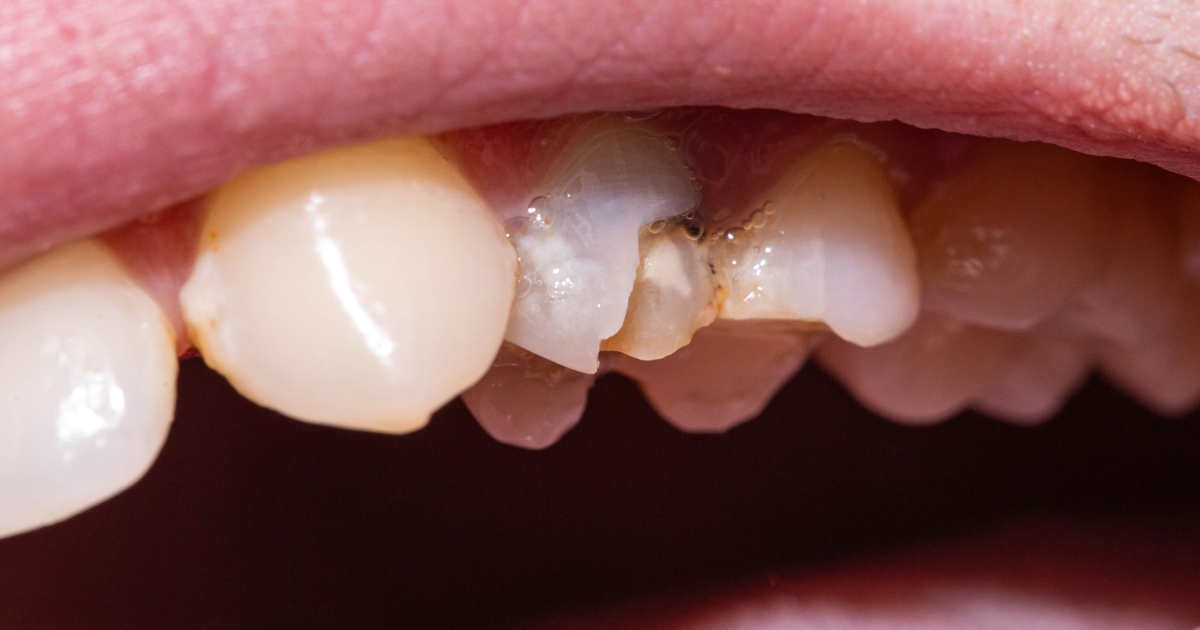
- Cracked or Fractured Teeth: Accidents or excessive pressure from grinding can cause cracks. These fractures may not only hurt but can also lead to more severe issues if left untreated.
- Dental Abscesses: These painful infections occur at the tooth’s root or in the gums. Abscesses can cause throbbing pain, swelling, and fever. They require immediate attention from an endodontist to prevent complications.
When to Seek Endodontic Treatment?
Understanding when to pursue endodontic treatment can save your teeth and relieve pain.
- Signs Indicating Need for Treatment: Look out for persistent pain, swelling, or sensitivity that doesn’t improve. These can signal deeper issues requiring intervention.
- Distinguishing Pain Levels: It’s essential to differentiate between mild discomfort and severe pain. If pain escalates, it’s time to consult an endodontist in Aledo for an evaluation.
The Endodontic Treatment Process
Knowing what to expect during endodontic treatment can alleviate anxiety and prepare you for the experience.
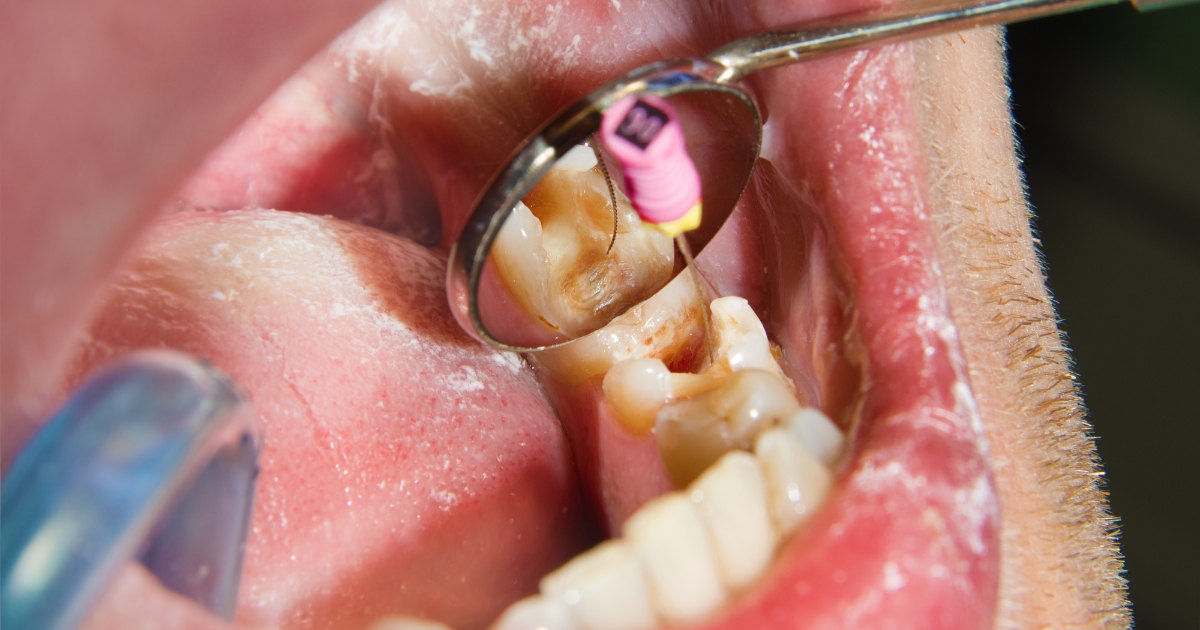
- Step-by-Step Breakdown: The process typically begins with an examination and X-rays. After anesthesia is administered, the endodontist removes the infected pulp. The tooth is then cleaned, shaped, and sealed to prevent further infection.
- Patient Experiences: Many patients report feeling relief after treatment. Concerns about pain during the procedure are common, but modern techniques and anesthesia make the process more comfortable than ever.
Long-Term Benefits of Endodontic Treatment
Endodontic treatment offers numerous advantages, extending beyond immediate pain relief.
- Preserving Natural Teeth: Saving a tooth helps maintain your natural bite and alignment, improving overall oral function.
- Emotional and Financial Aspects: Keeping your natural teeth can boost confidence and reduce long-term dental costs. Replacements like implants or dentures can be more expensive and complex.
Post-Treatment Care and Maintenance
Proper care after endodontic treatment ensures a smooth recovery and maintains your dental health.
- Essential Aftercare Tips: Follow your endodontist’s instructions for pain management and care. Avoid hard foods and maintain good oral hygiene to aid recovery.
- Importance of Regular Check-Ups: Schedule follow-ups to monitor the treated tooth and ensure healing. Regular check-ups help prevent potential issues from arising in the future.
Tooth pain can disrupt your life, but understanding its causes and knowing when to seek treatment is essential. Endodontic care offers a pathway to relief while preserving your natural teeth. By recognizing the signs and acting promptly, you can protect your oral health and enjoy a pain-free smile. Don’t let discomfort linger; consult with an endodontist to explore your options and ensure your dental well-being. Your journey to relief starts with informed decisions!