Call Us Today 817-737-7668

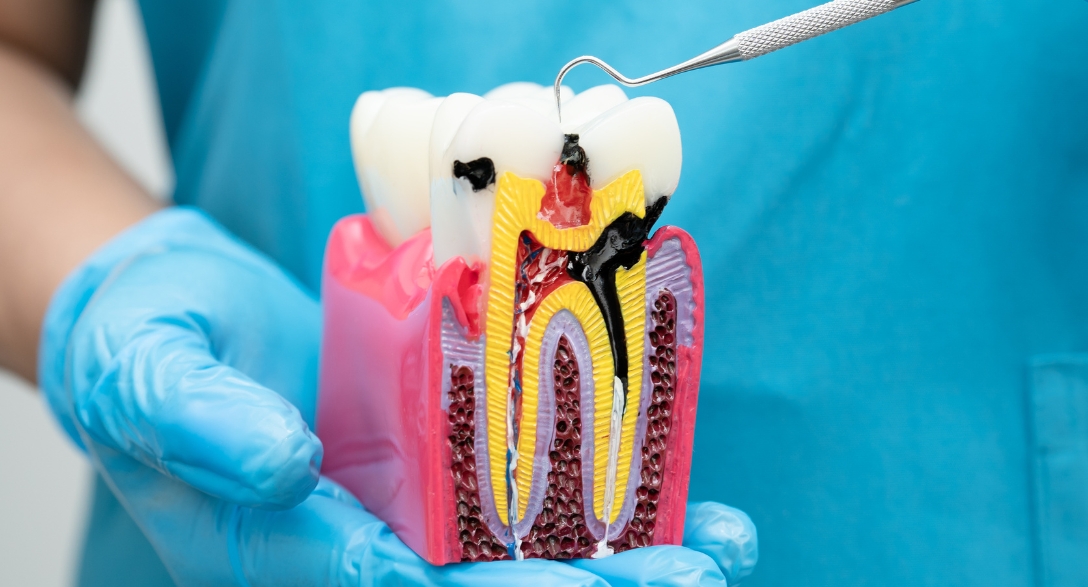
Tooth infections can be painful, and root canals are often the best way to save a damaged tooth. Some people worry that these procedures might leave infected dentin behind. Is there any truth to this concern? Understanding how root canals work, what happens during treatment, and how dentists ensure complete infection removal can help clear up these doubts.
What Happens During a Root Canal?
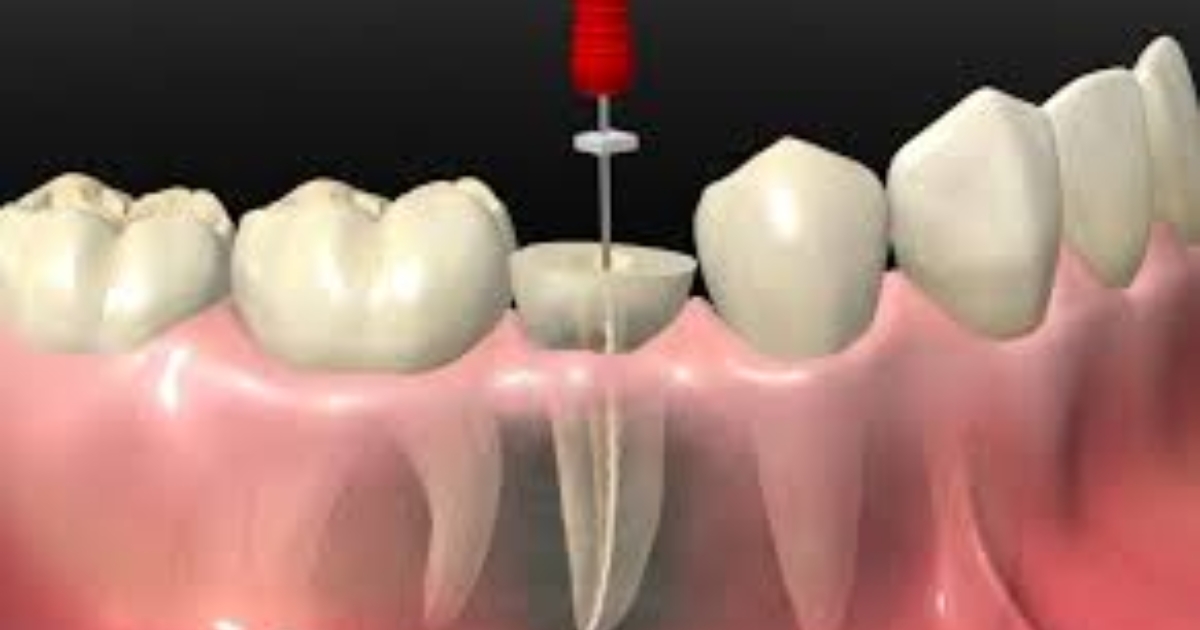
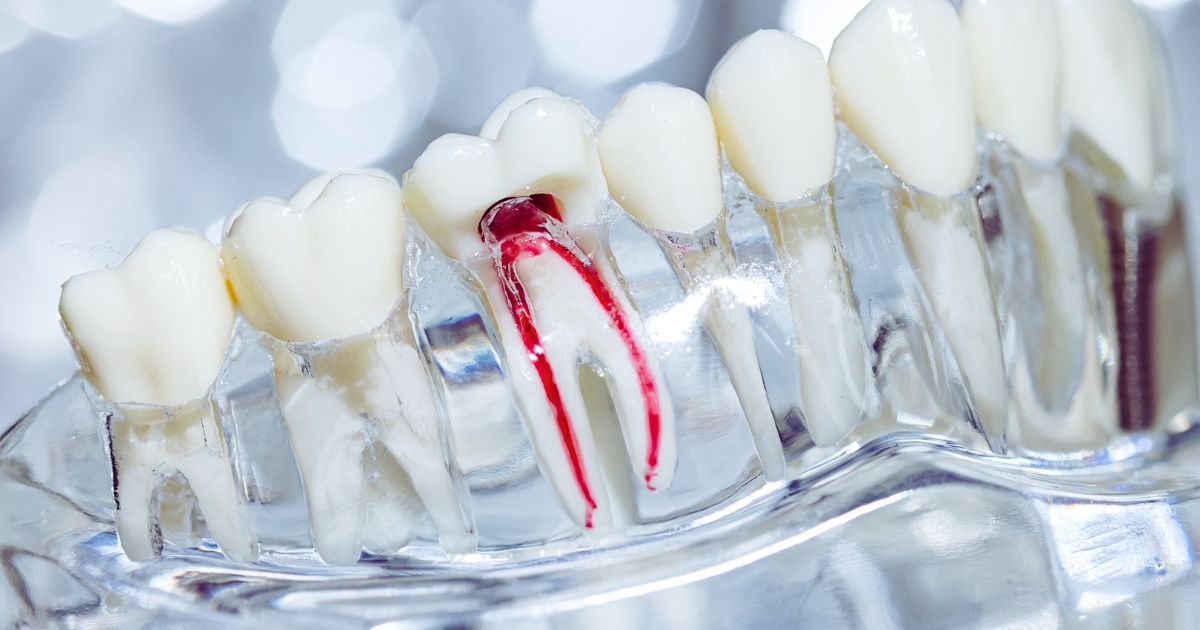
- The procedure removes the infected pulp from inside the tooth.
- Dentists clean the root canals using specialized tools and disinfectants.
- The cleaned area is sealed to prevent future infections.
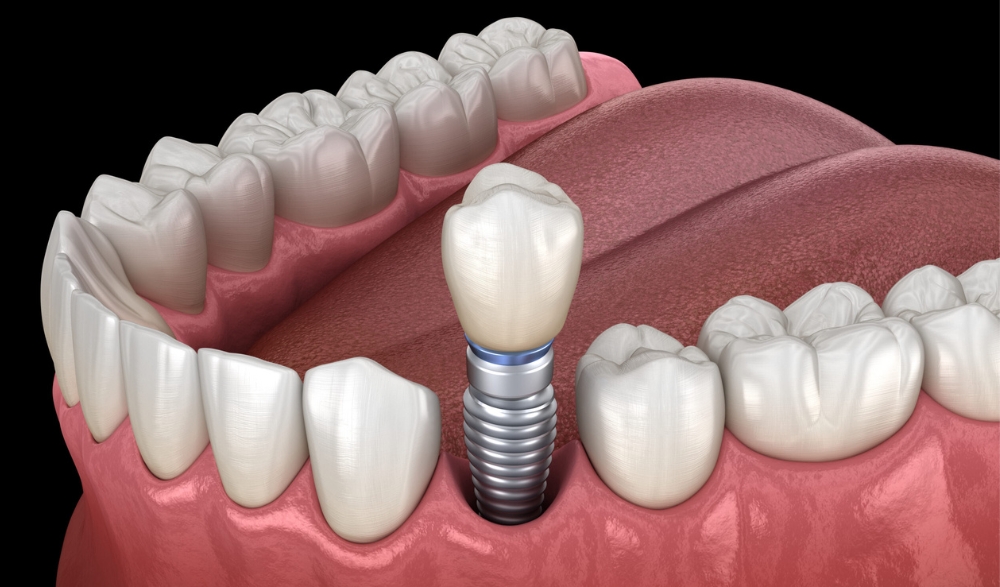
- A crown is usually placed to restore strength and function.
A properly performed root canal eliminates infection. However, if bacteria remain inside the dentin, some situations may lead to complications.
Can Infected Dentin Be Left Behind?
- Dentin is porous and may contain microscopic bacteria.
- Standard cleaning techniques aim to eliminate all infections.
- If a canal is missed or inadequately cleaned, bacteria can persist.
- Advanced techniques like ultrasonic cleaning improve disinfection.
Successful root canals remove entirely infected tissue, but rare cases of reinfection can occur due to overlooked bacteria.
Factors That Affect Root Canal Success
- Tooth Anatomy – Some teeth have complex root structures that make cleaning challenging.
- Extent of Infection – A deep, long-term infection may have spread into tiny dentin tubules.
- Dentist’s Technique – The use of modern technology improves cleaning effectiveness.
- Post-Treatment Care – Poor oral hygiene or delayed crown placement can lead to reinfection.
How to Prevent Root Canal Failure?
- Follow all post-treatment care instructions.
- Get a crown placed as recommended.
- Maintain good oral hygiene with regular brushing and flossing.
- Visit the dentist for routine checkups.
- Avoid chewing hard foods on a treated tooth until fully restored.
Signs of a Failed Root Canal
- Persistent pain or swelling after recovery.
- Sensitivity to hot or cold.
- Gum abscess or pus around the treated tooth.
- Darkening of the tooth, indicating internal issues.
If these symptoms occur, seeking prompt dental care is essential to prevent further complications.
Root canal procedures are highly effective when done correctly. While concerns about infected dentin are understandable, modern dental techniques ensure thorough cleaning and proper sealing. Following the dentist’s advice and maintaining good oral hygiene significantly lowers the risk of root canal infection. If you have questions about root canals or suspect an issue with a treated tooth, contact an endodontist in Waco for evaluation and care.