Call Us Today 817-737-7668

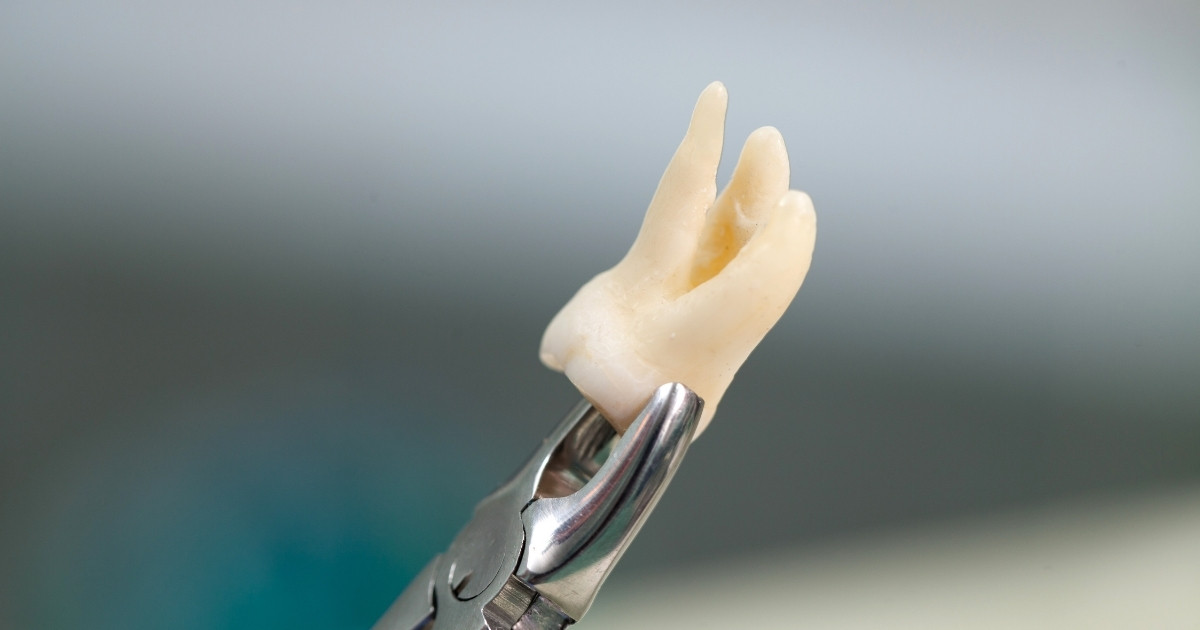
Wisdom teeth are the last set of molars, usually appearing between ages 17 and 25. While some grow without problems, many people experience complications like wisdom teeth infection. These infections occur when bacteria invade the tissues around a partially erupted tooth.
Early detection is crucial to avoid pain and more severe dental issues. Ignoring symptoms may lead to complications that require wisdom teeth removal. This blog will explore the causes, symptoms, risks, treatments, and prevention methods for wisdom teeth infections.
What Causes Wisdom Tooth Infections?
- Impaction (When the Tooth Doesn’t Fully Emerge)
Wisdom teeth often lack space to grow properly, leading to impaction. Impacted teeth partially erupt, creating pockets where bacteria can grow and cause infections. - Poor Oral Hygiene
Inadequate brushing and flossing can lead to plaque buildup around wisdom teeth. Bacteria thrive in these areas, increasing the risk of infection and potential wisdom teeth removal. - Food and Debris Getting Trapped
Partially erupted wisdom teeth create gaps where food particles and debris collect. These trapped particles feed bacteria, causing gum irritation and infection. Cleaning these areas regularly can reduce infection risks.
Early Signs and Symptoms of an Infection
- Persistent Pain or Discomfort in the Back of the Mouth
Pain in the jaw or behind the molars is often the first sign of a wisdom teeth infection. The pain may start as mild discomfort and gradually worsen without treatment. - Swelling and Redness Around the Wisdom Tooth
Swollen, red gums around a wisdom tooth signal potential infection. The area may feel tender or sore when touched. Immediate dental care can prevent further complications. - Bad Breath or a Bad Taste in the Mouth
A persistent foul taste or bad breath may indicate infection. Bacteria produce toxins that cause unpleasant odors. Regular rinsing with salt water might help temporarily, but a dentist should check for infection. - Difficulty Opening the Mouth or Chewing
Swelling and infection can cause jaw stiffness. If chewing or opening the mouth becomes painful, it might be due to a developing wisdom teeth infection. Timely treatment can prevent more serious conditions like abscesses.
Potential Risks of Ignoring the Infection
- Spread of Infection to Nearby Tissues
Untreated infections can spread to nearby gums, teeth, and jawbone. This bacterial spread can cause severe pain and more complex dental issues. - Development of Abscesses
An abscess is a pocket of pus caused by a bacterial infection. Abscesses around wisdom teeth are dangerous and require urgent treatment to avoid complications. - Potential for More Severe Dental or Health Issues
Ignoring symptoms may cause infections to spread to other body parts, like the neck or sinuses. In rare cases, untreated infections lead to life-threatening conditions like sepsis. Wisdom teeth removal is often necessary to prevent recurrence.
Professional Treatment Options
- Antibiotics to Control the Infection
Dentists often prescribe antibiotics to fight the infection. Antibiotics reduce bacteria and inflammation but don’t address underlying causes. - Draining the Infection if an Abscess Has Formed
If an abscess develops, dentists may drain the pus to relieve pain and pressure. Abscess drainage prevents the infection from spreading further. - Wisdom Tooth Extraction if the Infection Recurs
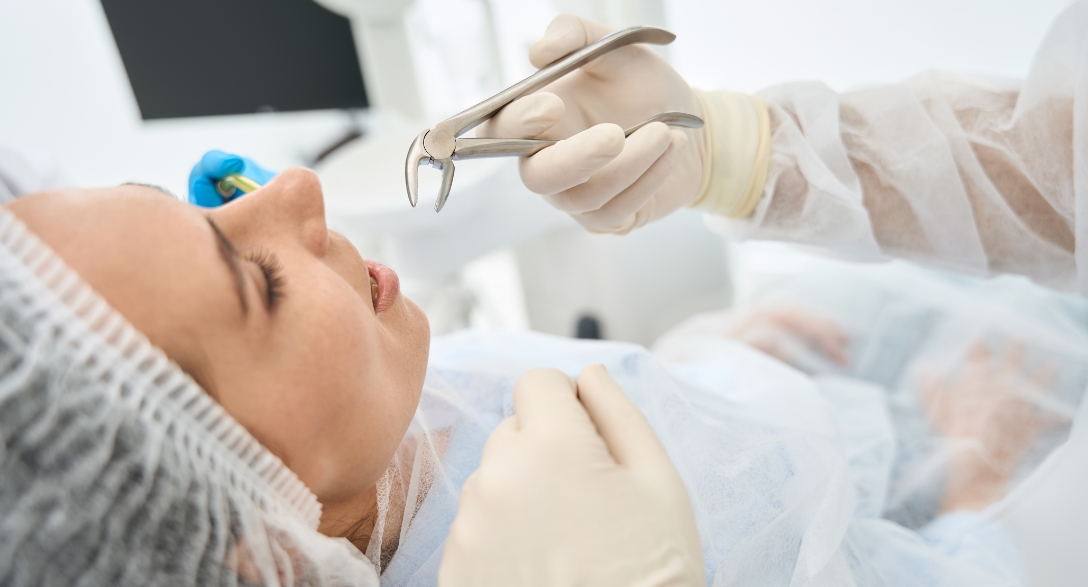
Recurring infections often require wisdom teeth removal. Dentists recommend extraction to prevent long-term issues. Wisdom teeth removal Fort Worth is a safe, effective solution for chronic infections and impaction.
Preventing Wisdom Tooth Infections
- Regular Dental Check-ups
Routine dental visits help monitor wisdom teeth growth. Dentists can detect early signs of infection and suggest preventive measures. - Good Oral Hygiene Habits
Brushing, flossing, and using mouthwash help remove food particles around wisdom teeth. Good oral care significantly reduces infection risks. - Monitoring the Growth of Wisdom Teeth with X-rays
Dentists use X-rays to track wisdom teeth development. Monitoring helps predict potential impaction or infection early. Proactive care reduces the need for future wisdom teeth removal.
Wisdom teeth infection is common but manageable when detected early. Recognizing symptoms like pain, swelling, and bad breath can help you seek timely care. Ignoring these signs may cause more severe complications, including abscesses and jaw infections.
Professional dental care, including wisdom teeth removal when necessary, can resolve persistent issues. Maintaining good oral hygiene and scheduling regular dental check-ups can prevent infections. If you suspect a wisdom teeth infection, consult our dentists without delay.