Call Us Today 817-737-7668


When you hear the term “abscessed tooth,” it might sound alarming, but understanding what it means can help ease your worries. An abscess occurs when infection seeps into the tooth’s root, leading to pain, swelling, and even fever. If you notice these symptoms, it’s crucial to act quickly.
The good news?
Endodontic treatment can save your tooth and alleviate discomfort.
In this blog, we’ll walk you through what to expect during endodontic treatment for an abscessed tooth. From the diagnosis process to post-treatment care, we’ll cover everything you need to know. You’ll discover how endodontists work to restore your dental health and what steps you can take to prevent future issues.
So, if you’re curious about the journey from an aching tooth to a healthier smile, keep reading! Your path to relief and recovery starts here.
Getting to Know Endodontic Treatment
Endodontic treatment focuses on the interior of the tooth, specifically the pulp and root canals. This specialized procedure aims to save teeth affected by infection or decay, which can cause significant discomfort. Unlike routine dental care, endodontics addresses deeper issues that standard treatments might overlook.
- What Does the Procedure Involve?
An endodontist removes the infected pulp, cleans the canals, and seals the tooth to prevent future infections. - How Is It Different?
Unlike regular cleanings or fillings, endodontic treatment targets the tooth’s nerve and pulp, often requiring specialized equipment. - Common Misconceptions:
Many believe root canal therapy is painful, but advancements in techniques and anesthesia have made it much more comfortable.
Identifying an Abscessed Tooth
Recognizing an abscessed tooth early can make a significant difference in treatment outcomes. Endodontists utilize various diagnostic tools to assess the condition of your tooth.
- Diagnostic Tools Used:
X-rays are crucial in identifying infections at the root. Clinical exams help gauge the severity of the issue. - Importance of X-rays:
They reveal hidden problems, allowing for a precise diagnosis and tailored treatment. - Signs Indicating Treatment Needs:
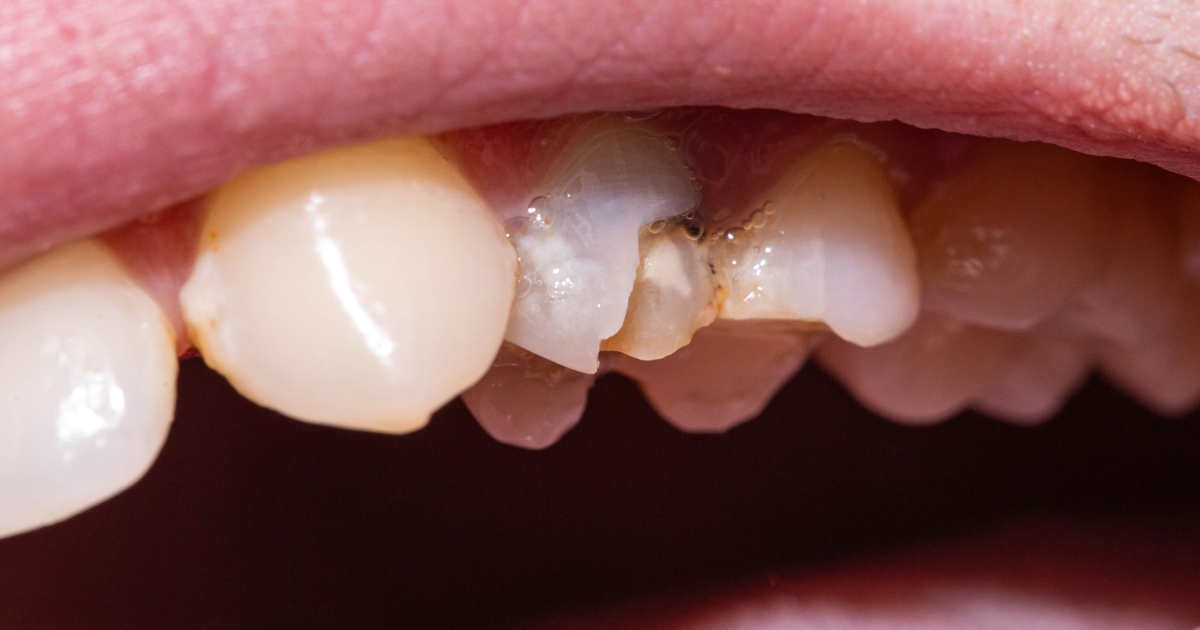
Look for symptoms like severe pain, swelling, or a persistent bad taste in your mouth. These could indicate an abscess requiring immediate care.
What Happens During Endodontic Treatment?
Understanding the endodontic procedure can help ease your concerns. Knowing what to expect will make the experience smoother.
- Step-by-Step Breakdown:
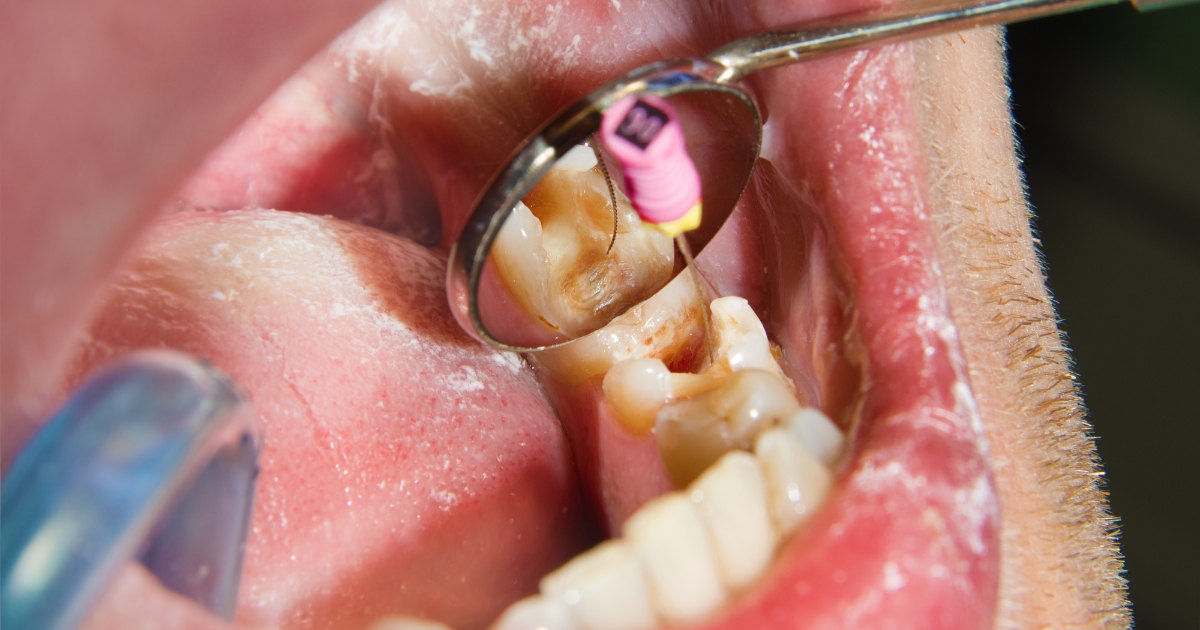
The treatment begins with anesthesia to ensure comfort. Then, the endodontist makes an opening in the tooth, removes the infected pulp, cleans the canals, and fills them. - What to Expect:
You might feel some pressure, but pain is minimal due to local anesthesia. - Duration and Anesthesia:
The procedure typically lasts one to two hours. Your endodontist will use local anesthesia to numb the area, ensuring a comfortable experience.
After Your Endodontic Treatment
Recovery is a crucial phase following endodontic treatment. Knowing how to care for yourself can make a significant difference in your healing process.
- Instructions for Recovery:
Avoid hard foods for a few days. Stick to soft items and maintain good oral hygiene. - Managing Pain and Discomfort:
Over-the-counter pain relievers can help alleviate discomfort. Follow your endodontist’s recommendations for pain management. - Signs of Complications:
Watch for excessive swelling, persistent pain, or fever. If these occur, contact your endodontist immediately.
Long-Term Outlook for Abscessed Teeth
The prognosis after endodontic treatment is generally favorable, especially with timely intervention.
- Success Rates:
Studies show that endodontic treatments have a success rate of over 90%. Many patients retain their teeth for years after treatment. - Saving the Tooth:
Effective endodontic therapy can often save a tooth that might otherwise need extraction. - Importance of Follow-Up Appointments:
Regular check-ups with your endodontist in Frisco can help monitor your healing and ensure no further issues arise. These appointments are key to maintaining your dental health.
Understanding the process of endodontic treatment for abscessed teeth can empower you to take control of your dental health. By recognizing symptoms early and seeking professional help, you can save your tooth and avoid further complications. Your journey doesn’t end with treatment; maintaining regular check-ups and following your endodontist’s advice ensures long-term success. Remember, a healthy smile starts with informed decisions—don’t hesitate to reach out for help when you need it!