Call Us Today 817-737-7668

Dental implants restore function and aesthetics after tooth loss. They offer durability and a natural appearance. However, proper post-implant care ensures their long-term success. Neglecting care can lead to infections or implant failure. The healing process differs for each patient, depending on overall health and hygiene. Single and multi-tooth implants require specific care routines.
A single implant needs targeted cleaning, while multiple implants require additional tools. Following the proper care routine prevents complications and enhances implant longevity. This guide covers everything you need to know about post-implant care.
The First 24-48 Hours: Immediate Aftercare
Pain and swelling are normal after dental surgery. Apply ice packs for 15 minutes to reduce swelling. Take prescribed medications as directed by your dentist. Avoid touching the implant site to prevent infections.
Do not rinse or spit forcefully, as this may disrupt healing. Eat soft foods like yogurt, mashed potatoes, and smoothies. Avoid hot, spicy, or crunchy foods that can irritate the gums.
Bleeding may occur in the first few hours. Bite down on a gauze pad to control it. Avoid using straws, as the suction can dislodge the clot.
Rest and avoid strenuous activities to promote healing. Sleep with your head elevated to reduce swelling. Proper care during this period sets the foundation for successful healing.
The First Few Weeks: Healing and Osseointegration
Bone and gums heal around the implant during the first few weeks. Osseointegration is when the jawbone fuses with the implant.
Good oral hygiene is crucial during this phase. Brush gently with a soft-bristled toothbrush and avoid direct pressure on the implant. Use an antimicrobial mouthwash to prevent infections.
Avoid smoking and alcohol, as they delay healing and increase failure risk. Stick to soft foods and gradually reintroduce firmer textures.
Watch for symptoms like swelling, pain, or pus. Mild discomfort is normal, but persistent pain may indicate complications. Contact your dentist immediately if issues arise. Proper post-implant care during this period ensures successful healing.
Long-Term Maintenance for Implant Longevity
Daily oral hygiene is essential for maintaining implants. Brush twice daily using a non-abrasive toothpaste. Floss carefully around the implant to remove plaque buildup. Use an interdental brush or water flosser for thorough cleaning. Regular dental check-ups help monitor implant health.
Professional cleanings prevent gum disease and detect early issues. Protect implants from excessive force to avoid damage. Wear a night guard if you grind your teeth. Avoid biting on hard objects like ice or pens. A consistent care routine ensures implant longevity and prevents complications.
Differences in Care: Single vs. Multi-Tooth Implants
Post-implant care varies for single and multi-tooth implants Denton. Both require proper hygiene and maintenance to ensure long-term success. However, cleaning techniques and tools differ based on the number of implants and their placement.
Care for Single Implants
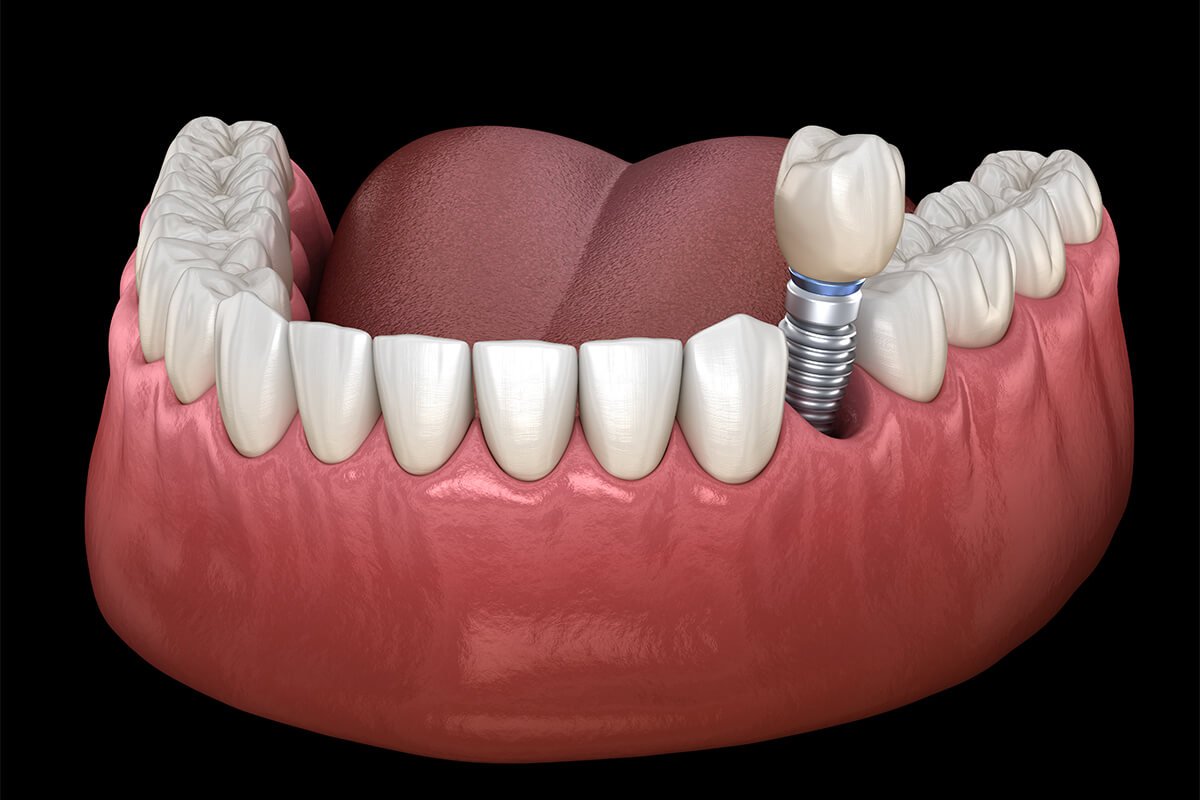
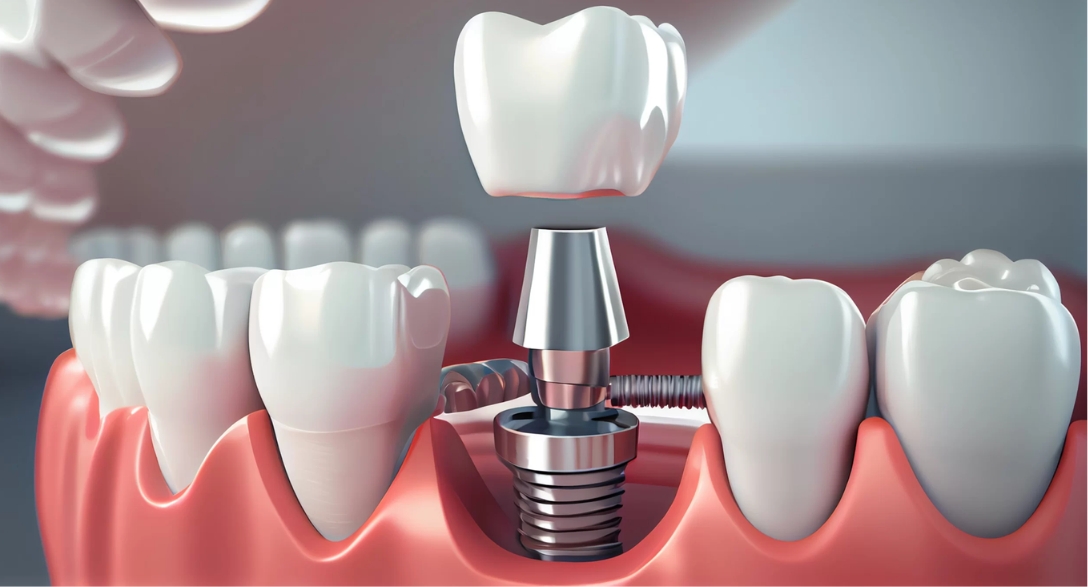
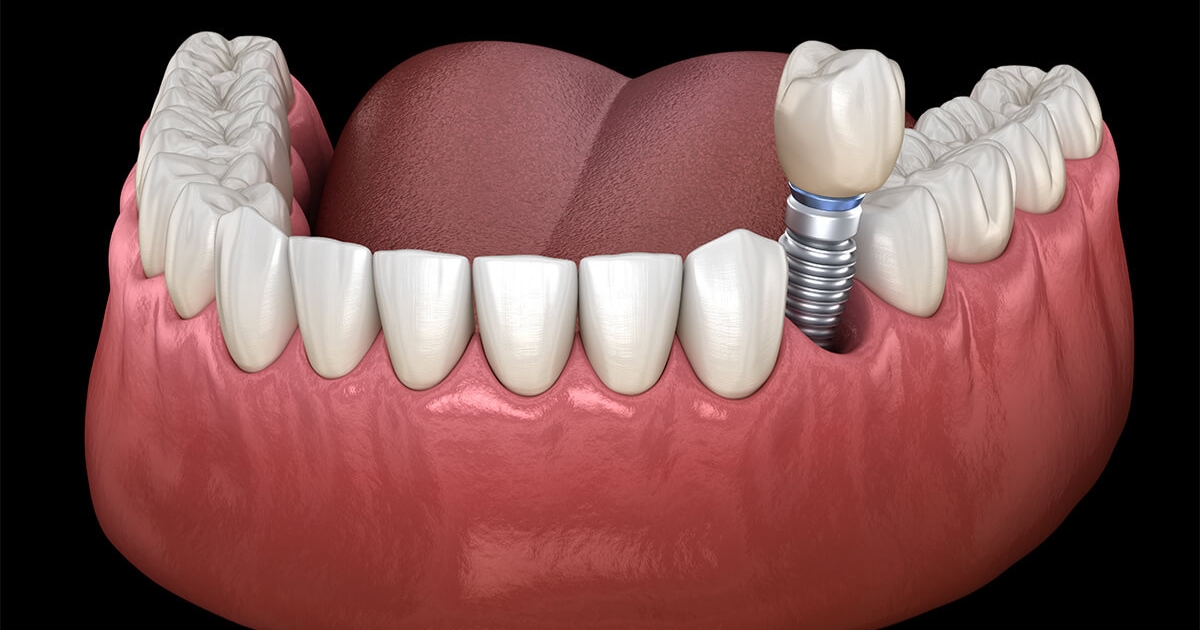
A single implant replaces one missing tooth. It requires precise cleaning around the implant site. Use a soft-bristled toothbrush to brush gently without irritating the gums. Floss daily using unwaxed floss or implant-specific floss to remove plaque.
Avoid applying excessive pressure while brushing to prevent irritation. Antimicrobial mouthwash helps keep bacteria away and promotes healing. Regular dental check-ups ensure the implant remains stable and healthy.
Care for Multi-Tooth Implants
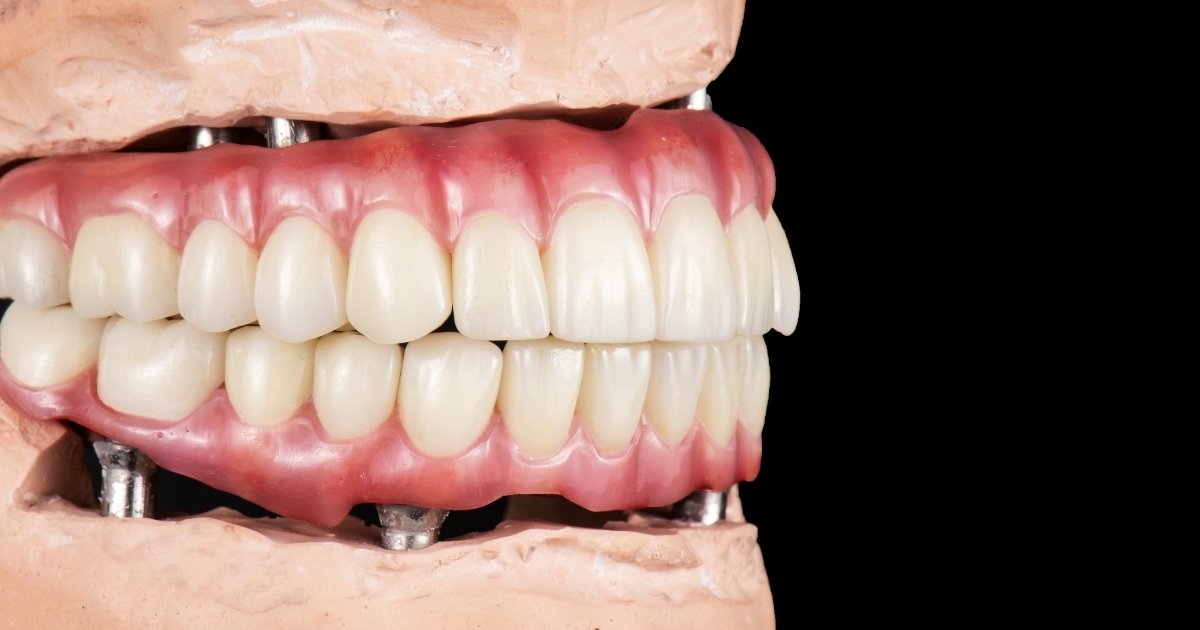
Multi-tooth implants include bridges, partials, or full-arch restorations. These require additional care due to the larger surface area.
Cleaning around bridges or implant-supported dentures can be challenging. Food particles can get trapped between the prosthetic teeth.
Interdental brushes help clean hard-to-reach areas effectively. A water flosser is a great tool for flushing out debris between implants. Unlike single implants, multi-tooth restorations may require extra professional cleanings.
Special Tools for Multi-Tooth Implants
Interdental brushes help remove plaque between implants. Water flossers provide deep cleaning by reaching areas that floss cannot access.
Super floss is effective for cleaning under bridges and around implants. Denture cleansing solutions help maintain removable implant-supported dentures.
Patients should follow a strict oral hygiene routine to prevent infections. Regular dental visits help monitor the condition of multi-tooth implants.
Proper post-implant care ensures the success of both single and multi-tooth implants. Using the right cleaning tools and techniques prevents complications. Maintaining good oral hygiene improves implant longevity and overall dental health.
Post-implant care ensures implant longevity and oral health. Follow immediate aftercare instructions to prevent complications. Maintain proper hygiene and attend regular dental visits. Protect implants from damage by avoiding harmful habits. A consistent care routine is crucial whether you have a single or multiple implants. Book a follow-up appointment with your dentist to monitor implant health. Taking care of your implants leads to a confident and lasting smile.