Call Us Today 817-737-7668

A root canal might sound like a daunting procedure, but it can actually be the key to saving your tooth from extraction. If you’re dealing with a severely infected or damaged tooth, this treatment can be a real game-changer, preserving your natural smile and function.
Many people fear the idea of a root canal due to misconceptions about the pain and recovery time, but modern techniques make the process much more manageable than you might think.
In this blog, we’ll explore how a root canal works, why it’s often the best choice to save a tooth, and what happens if you delay treatment. Whether you’re experiencing symptoms or just want to know more about preserving your teeth, you’ll find everything you need to make an informed decision.
So, let’s dive in and discover how this life-saving procedure could help you avoid the need for tooth extraction and keep your smile intact for years to come!
What Is a Root Canal?
A root canal is a treatment designed to repair and save a tooth that is severely decayed or infected. This procedure targets the pulp, which is the innermost part of your tooth containing nerves and blood vessels. When the pulp becomes infected due to deep decay, trauma, or cracks, it can cause severe pain and swelling. In such cases, a root canal is needed to remove the infected pulp and save the tooth from extraction.
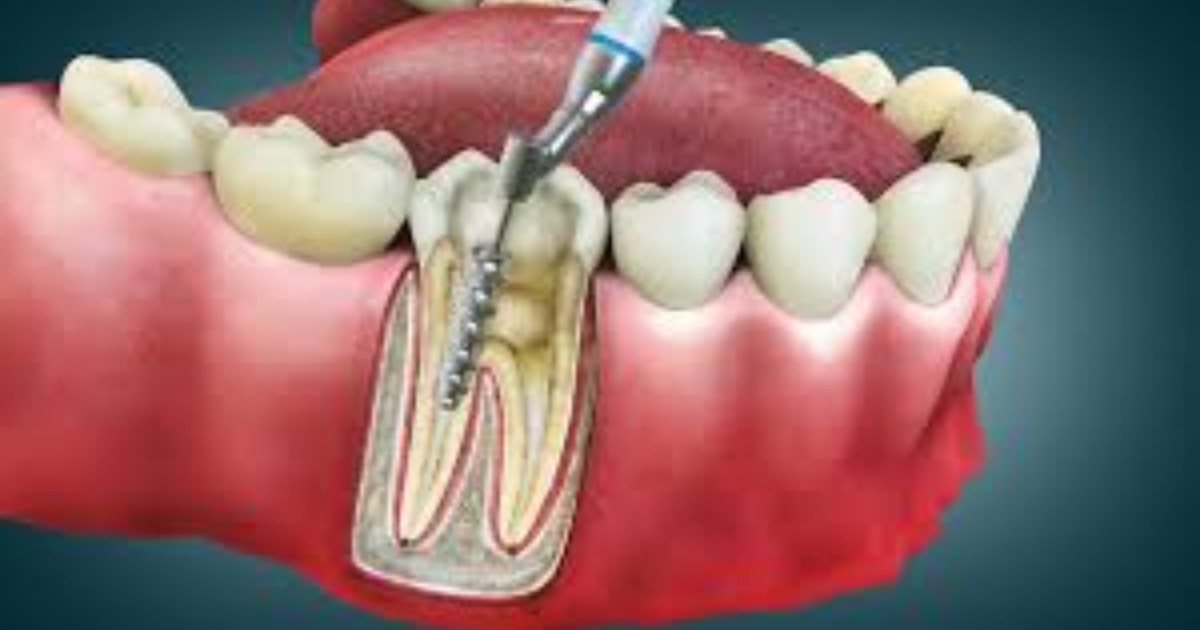
- The structure of a tooth: The tooth consists of three layers: enamel (the outer layer), dentin (the middle layer), and pulp (the inner layer). The pulp houses the nerves and blood vessels that nourish the tooth.
- Why a root canal is needed: If the pulp becomes infected or damaged, it can lead to significant pain, swelling, and even abscess formation. Infected pulp cannot heal on its own, making a root canal essential to preserving the tooth.
- Endodontic expertise: Root canal procedures are performed by endodontists who specialize in treating the interior of teeth and ensuring that the tooth remains functional after treatment.
If you are facing issues like tooth pain or sensitivity, seeking timely treatment from an endodontist can help you avoid more severe complications.
Signs That You Might Need a Root Canal
Root canal treatment is often required when the pulp inside your tooth becomes infected or inflamed. Recognizing the symptoms early can save you from further complications. Here are some common signs that indicate you might need a root canal:
- Severe pain: Persistent or sharp pain, especially when chewing or applying pressure to the tooth, may signal an infection deep inside the tooth.
- Sensitivity: Prolonged sensitivity to hot or cold temperatures, particularly after the stimulus is removed, is a key sign that the pulp might be damaged.
- Swelling and tenderness: If the area around the tooth becomes swollen or tender to touch, it could be a sign of infection spreading beyond the pulp.
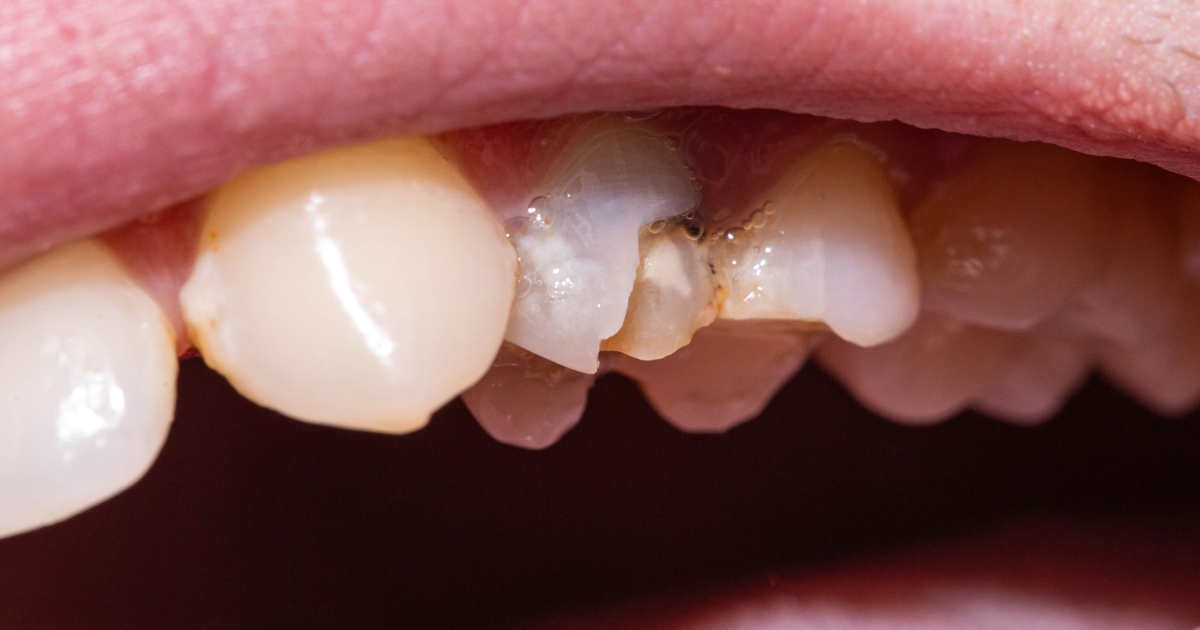
- Discoloration: A tooth that becomes dark or discolored can be a result of dead or dying pulp inside the tooth.
- Abscess formation: In some cases, an abscess (pus-filled pocket) may form at the root of the tooth. This can cause additional pain and may lead to a foul taste or smell.
Early detection is essential for avoiding the need for extraction and ensuring the best possible outcome from your root canal in Denton. If you notice any of these signs, consulting an endodontist quickly can help prevent further damage.
How Root Canal Treatment Works?
Root canal treatment is a multi-step procedure that removes infected tissue from inside the tooth, cleans the area, and seals it to prevent further infection. The process is straightforward but requires careful attention to detail to ensure the tooth heals properly.
- Step 1: Diagnosis and preparation: Your endodontist will perform an X-ray and examine your tooth to confirm the extent of the damage. Local anesthesia will be applied to numb the area.
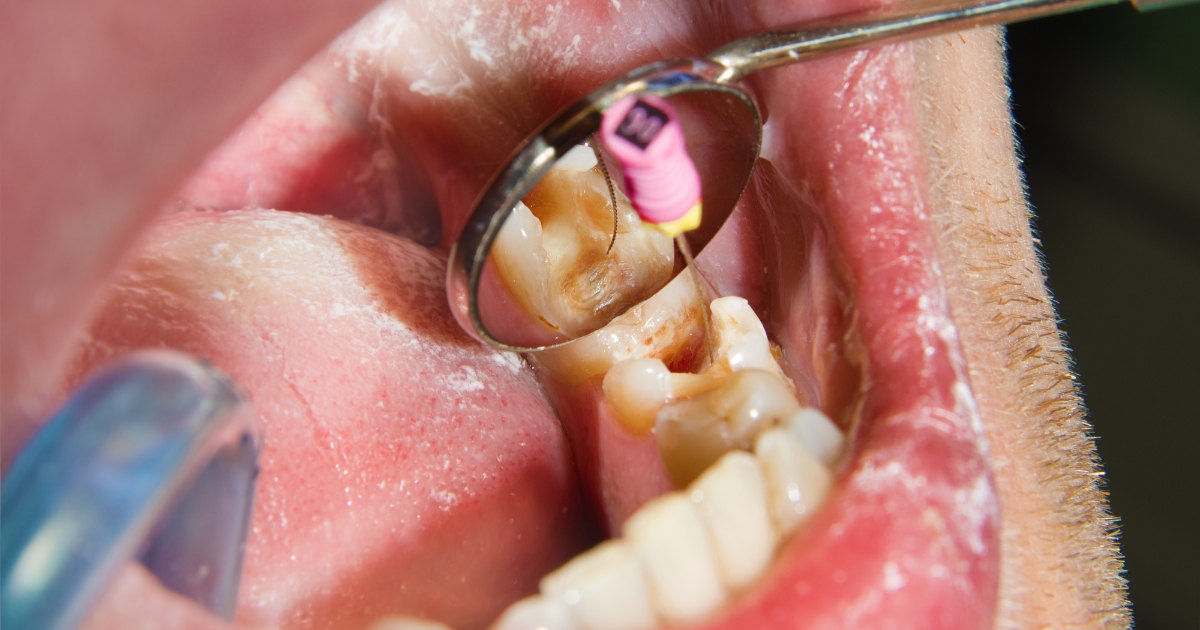
- Step 2: Accessing the pulp: The endodontist creates a small opening in the top of the tooth to access the pulp chamber, where the nerves and blood vessels reside.
- Step 3: Removal of infected pulp: Using specialized tools, the infected or damaged pulp is removed carefully. The inside of the tooth is cleaned and shaped to prepare it for filling.
- Step 4: Sealing the tooth: Once the pulp is removed and the area cleaned, the tooth is filled with a biocompatible material called gutta-percha to seal it. The opening is then sealed with a temporary or permanent filling.
- Step 5: Restoration: In most cases, a crown is placed over the tooth to restore its shape, size, and function.
During the root canal surgery in Denton, you may experience some mild discomfort, but most patients report minimal pain, thanks to modern techniques and anesthesia.
Benefits of Choosing a Root Canal Over Extraction
Choosing a root canal over tooth extraction offers several significant advantages, both in terms of preserving your oral health and saving money in the long run.
- Preserving natural function: The primary benefit of root canal treatment is that it saves your natural tooth, maintaining your ability to chew and speak effectively.
- Aesthetic preservation: Unlike extraction, which may require a replacement tooth such as an implant, a root canal preserves the natural appearance of your smile.
- Preventing further complications: Leaving a damaged tooth untreated can lead to infections, bone loss, and shifting of nearby teeth. A root canal prevents these issues by restoring the tooth’s health.
- Cost-effective in the long run: While root canal treatment may have an upfront cost, it’s usually more affordable than the combined cost of extraction, implants, and other prosthetics.
- Maintaining jawbone health: When a tooth is extracted, the jawbone beneath it can deteriorate over time. Root canals prevent bone loss by preserving the tooth’s root.
Choosing to save your tooth with a root canal is often the best decision for your long-term oral health.
What Happens if You Don’t Get a Root Canal?
If you ignore the symptoms of a damaged or infected tooth, the situation can worsen over time, leading to more severe complications. Here’s what can happen if you don’t get a root canal when needed:
- Pain and discomfort: Left untreated, the infected tooth can cause increasing pain, which may become unbearable as the infection spreads.
- Abscess and infection: An untreated infection can lead to the formation of an abscess, which is a pocket of pus that can spread the infection to surrounding tissues.
- Tooth loss: Without treatment, the infection may spread to the bone, causing severe damage that results in the need for extraction.
- Damage to surrounding teeth: Infection in one tooth can affect the health of nearby teeth, leading to additional damage or infections.
Avoiding a root canal increases the risk of tooth loss and other health issues, which can be costly and difficult to address in the future.
Post-Root Canal Care: Ensuring Long-Term Success
After a root canal, proper care is essential for ensuring the treated tooth remains healthy for many years to come. Follow these aftercare tips to promote healing and maintain your oral health:
- Maintain oral hygiene: Brush your teeth twice a day and floss regularly to remove plaque and prevent infection. Be gentle around the treated area to avoid discomfort.
- Avoid hard foods: After the procedure, try to avoid chewing on hard foods or anything that can put pressure on the treated tooth. Stick to soft foods for a few days while the tooth heals.
- Watch for signs of complications: If you experience severe pain, swelling, or any other unusual symptoms, contact your endodontist immediately.
- Regular check-ups: Schedule follow-up visits with your endodontist to ensure that the tooth is healing properly and that no further complications arise.
A root canal is more than just a treatment—it’s an opportunity to save your tooth and avoid more invasive procedures like extraction. By addressing infections or damage early, you can preserve your natural smile and enjoy long-term oral health. Don’t let fear or misinformation hold you back. Consult your endodontist to discuss how a root canal can keep your teeth healthy, functional, and beautiful for years to come.