Call Us Today 817-737-7668

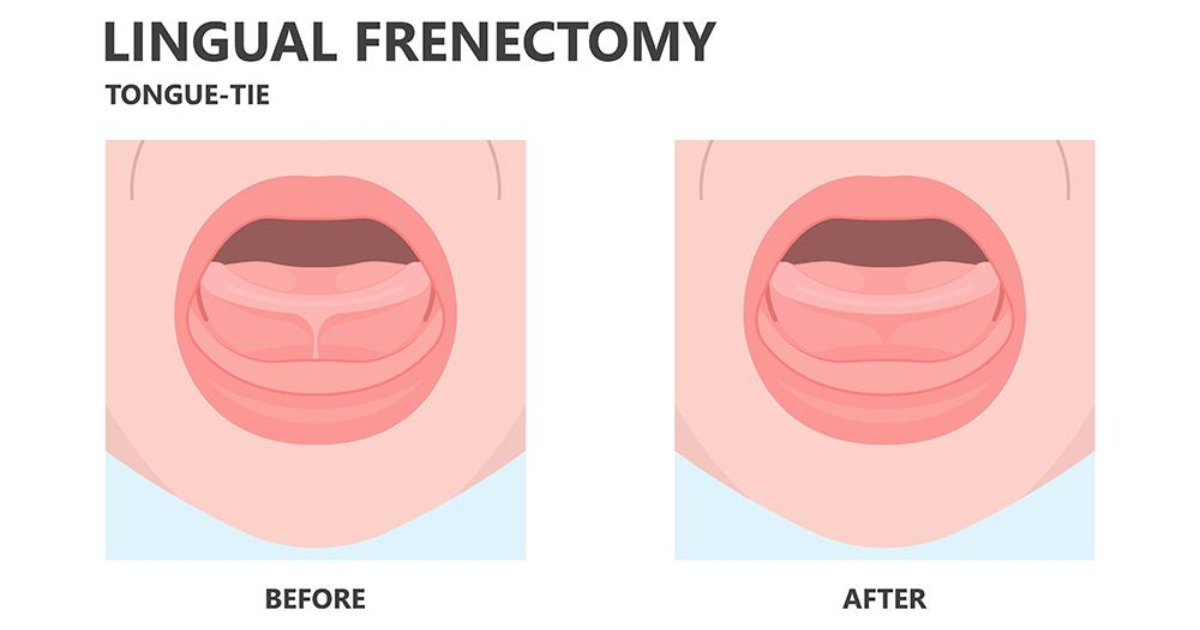
Tongue-tie and lip-tie are common conditions affecting infants, children, and even adults. These issues occur when the frenulum, the tissue connecting the tongue or lip to the mouth, is too tight or short. This restriction can cause problems with breastfeeding, speech development, and oral health. Many parents first notice tongue-tie in their newborns due to breastfeeding difficulties. Children might struggle with speech clarity, while adults could experience oral discomfort and restricted tongue movement. The good news is that a simple, safe procedure called frenectomy can provide significant relief.
Frenectomy releases the tight tissue, improving mobility and oral function. With modern techniques like laser frenectomy, the procedure is quick, minimally invasive, and requires little recovery time. This blog will explore the causes, symptoms, and effective solutions for tongue-tie and lip-tie. Discover how frenectomy can improve quality of life at any age.
What Are Tongue-Tie and Lip-Tie?
Tongue-tie, also known as ankyloglossia, occurs when the lingual frenulum restricts tongue movement. On the other hand, lip-tie involves a similar issue with the tissue attaching the upper lip to the gums. These conditions can be present at birth and often run in families.
The causes of tongue-tie and lip-tie are primarily genetic. During fetal development, the frenulum typically thins and recedes. However, in some cases, it remains thick or tight, limiting oral movement. This restriction affects essential functions like breastfeeding, swallowing, and speech development.
Infants with tongue-tie may struggle to latch during breastfeeding, causing frustration and poor weight gain. In toddlers and children, these conditions can lead to speech difficulties and dental problems, like gaps between teeth. Adults might experience speech issues, oral discomfort, and restricted tongue movement, especially when speaking or eating.
Frenectomy offers an effective solution by releasing the restrictive tissue. Early diagnosis and timely treatment can prevent long-term complications and improve overall oral health.
Signs and Symptoms to Look Out For
Recognizing tongue-tie and lip-tie early can help address issues before they cause lasting effects. Here are some common signs across different age groups:
In Infants:
- Difficulty latching during breastfeeding
- Poor weight gain and prolonged feeding times
- Clicking sounds while nursing
- Maternal nipple pain due to improper latch
In Toddlers and Children:
- Speech delays or difficulty pronouncing certain sounds
- Dental issues like gaps or misalignment
- Difficulty with tasks requiring tongue movement, like licking ice cream
- Frustration during meals due to restricted oral movement
In Adults:
- Speech difficulties, especially with certain sounds
- Oral discomfort and limited tongue mobility
- Challenges with activities like kissing or playing wind instruments
- Increased risk of gum recession and oral hygiene problems
If you notice these symptoms, consult a healthcare professional. Frenectomy can provide lasting relief and significantly improve oral function. Early treatment ensures better outcomes and minimizes potential complications.
What Is a Frenectomy?
A frenectomy Mansfield is a minor surgical procedure that releases a restrictive frenulum in the mouth. This procedure can treat tongue-tie and lip-tie, improving oral mobility and function. Moreover, frenectomy is simple, safe, and effective when performed by a trained professional.
There are two main types of frenectomy procedures: traditional and laser.
Traditional Frenectomy:
This method involves using surgical scissors or a scalpel to cut the restrictive tissue. The procedure takes only a few minutes, with minimal discomfort. However, a traditional frenectomy may cause slight bleeding and require stitches.
Laser Frenectomy:
Furthermore, laser frenectomy uses a medical-grade laser to release the frenulum. This technique is more precise, minimizes bleeding, and reduces discomfort. Lasers also sterilize the tissue, lowering the risk of infection. Recovery is usually faster, making this the preferred option for many professionals and parents.
The procedure is quick, and often completed within 15 minutes. Local anesthesia is used for comfort, and infants can typically breastfeed immediately after. Post-procedure care involves simple exercises to maintain tissue flexibility.
Frenectomy significantly improves breastfeeding success in infants. For children and adults, it enhances speech clarity, oral comfort, and overall quality of life. Early intervention provides the best results and prevents future complications.
Benefits of Frenectomy
Frenectomy offers a range of benefits for individuals struggling with tongue-tie or lip-tie. This simple procedure can improve essential oral functions, enhancing overall well-being. Here are the key advantages:
1. Improved Breastfeeding for Infants
Tongue-tie makes breastfeeding difficult, often causing pain for the mother and frustration for the baby. Frenectomy improves tongue mobility, helping babies latch effectively. This change leads to better milk transfer, healthier weight gain, and a more enjoyable breastfeeding experience.
2. Enhanced Speech Development in Children
Speech clarity relies heavily on tongue movement. Children with tongue-tie might struggle with certain sounds, affecting communication. After a frenectomy, many children show significant improvements in articulation and speech development. Early intervention prevents long-term speech challenges.
3. Better Oral Hygiene and Dental Health
A tight frenulum can create gaps between teeth and make cleaning difficult. Frenectomy helps align teeth properly and simplifies oral hygiene. Good oral health reduces the risk of cavities, gum disease, and future orthodontic issues.
4. Improved Comfort and Oral Function for Adults
Adults with tongue-tie may face discomfort during eating, speaking, or playing musical instruments. Frenectomy relieves these issues, restoring comfort and function. Many adults report easier speech, better oral hygiene, and reduced jaw pain after the procedure.
Frenectomy is quick, safe, and minimally invasive. Laser frenectomy, in particular, offers minimal discomfort and faster recovery. Early treatment can prevent long-term complications, ensuring a better quality of life. If you notice symptoms in yourself or your child, consult a healthcare professional to discuss the benefits of frenectomy.
Tongue-tie and lip-tie can cause significant challenges with feeding, speech, and oral health. Frenectomy offers a safe, effective solution to these issues, improving quality of life at any age. The procedure is quick, minimally invasive, and requires little recovery time.
Infants benefit from better breastfeeding, children gain clearer speech, and adults experience greater oral comfort. Early diagnosis and timely treatment can prevent long-term complications, such as speech delays or dental problems.
If you or your child shows symptoms of tongue-tie or lip-tie, seek advice from a qualified professional. Frenectomy can provide immediate and long-term relief, supporting better oral function and overall well-being. Take action today and experience the life-changing benefits of a frenectomy.