Call Us Today 817-737-7668

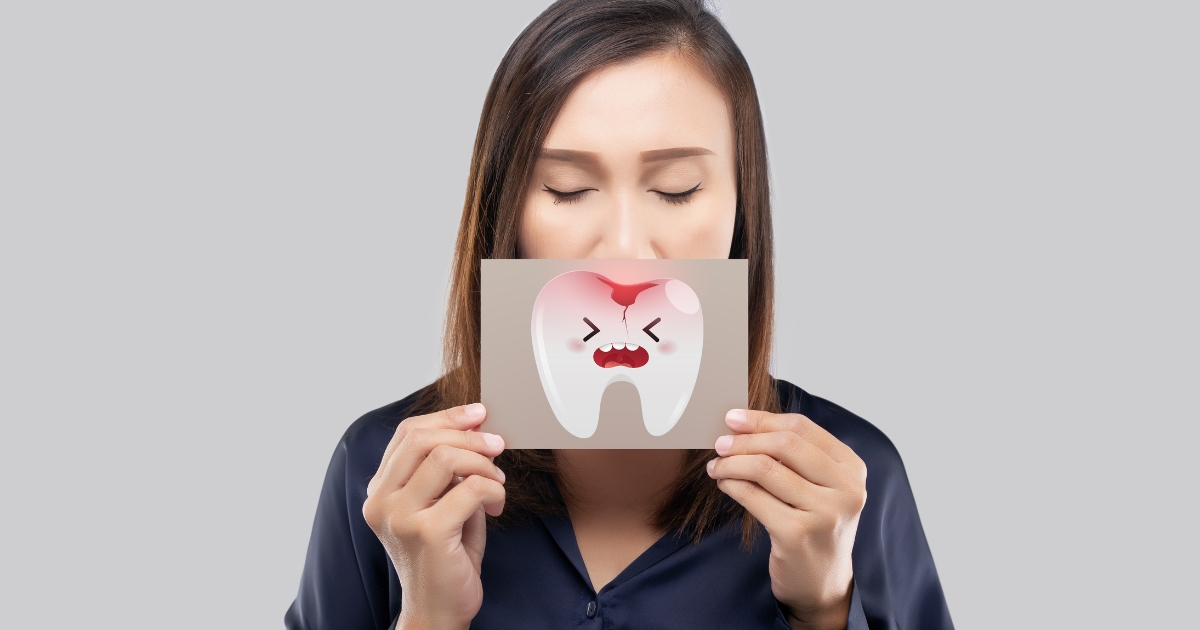
A root canal is a common procedure aimed at saving a tooth that has become severely damaged or infected. It is often misunderstood and feared, but this treatment is essential for preserving natural teeth and avoiding tooth extraction. Non-surgical root canal treatments offer a less invasive approach to addressing tooth issues, focusing on internal repairs without the need for external surgery. This blog will delve into how these treatments help prevent tooth loss and the role of an endodontist in ensuring effective care and maintaining oral health.
Exploring the Causes and Impact of Tooth Loss
Tooth loss can result from several factors, each affecting your oral health and overall well-being:
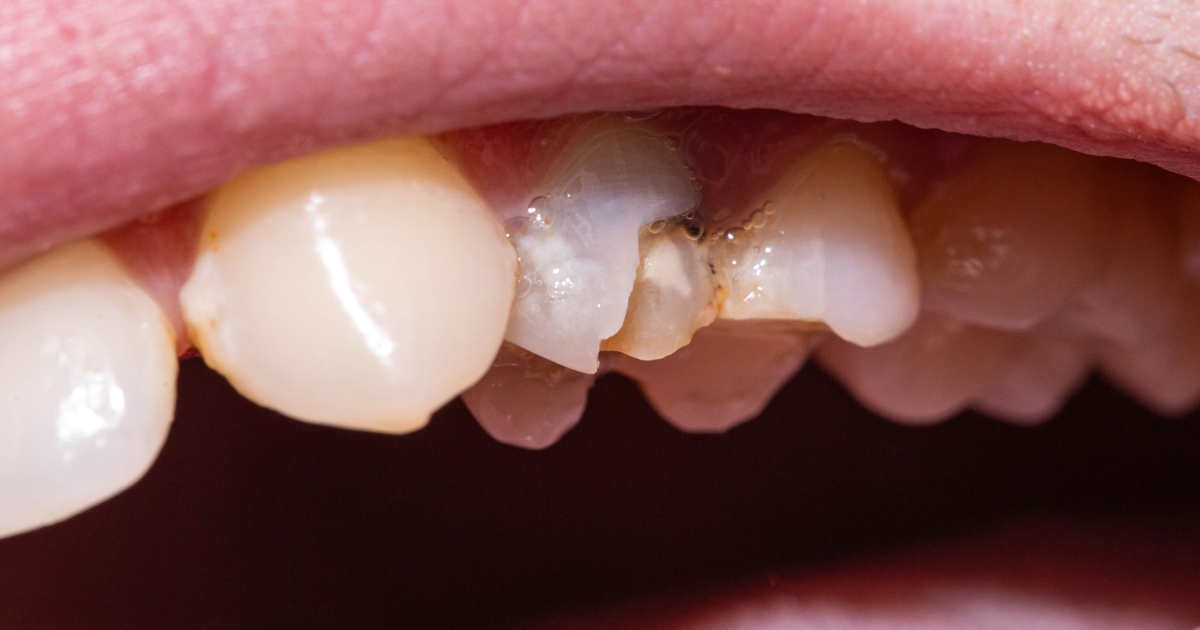
- Tooth Decay: Persistent cavities can erode the tooth’s structure, leading to infection and potentially necessitating a root canal to save the tooth.
- Infection: Bacterial infections can infiltrate the pulp, causing severe discomfort and potentially leading to tooth loss if not treated promptly.
- Trauma: Physical injuries or accidents can damage teeth, sometimes beyond repair, making extraction a necessary option.
- Gum Disease: Advanced periodontal disease can weaken the supporting bone and tissues around the teeth, leading to their loss.
The consequences of missing teeth go beyond aesthetics. They can impair chewing and speaking functions and disrupt bite alignment. Addressing tooth loss beforehand can prevent these issues and help maintain overall dental health.
The Role of Non-Surgical Root Canals
Tooth decay and infection can severely damage the tooth’s pulp. Non-surgical root canal treatments offer a way to address these issues without invasive surgery. Here’s a look at how the procedure works:
- Procedure Overview:
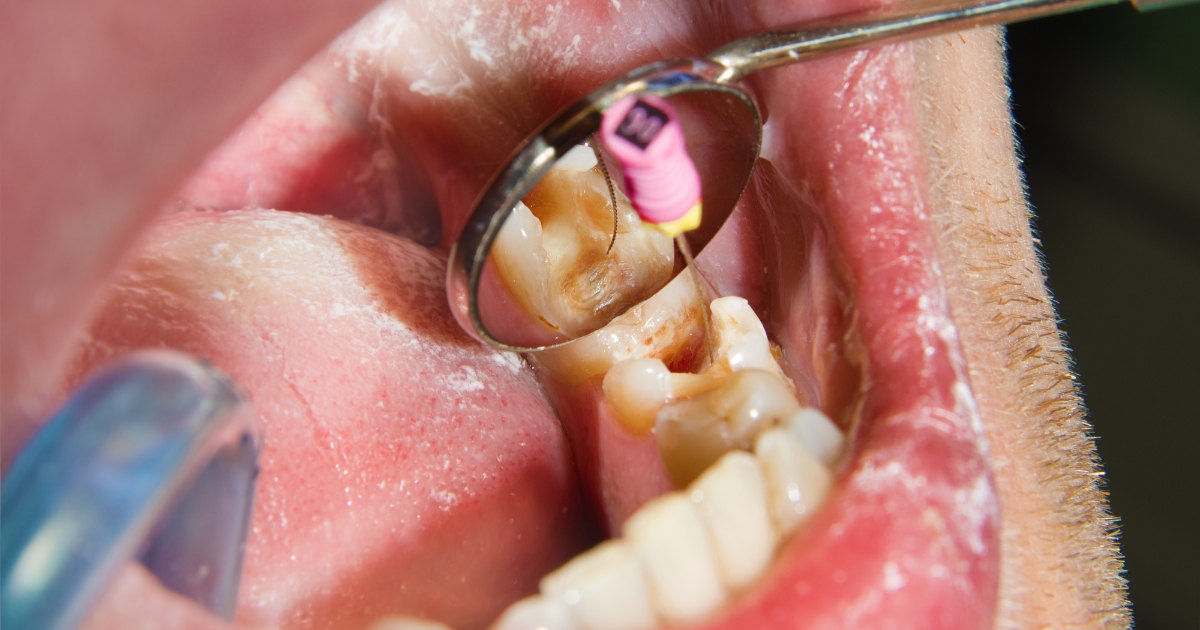
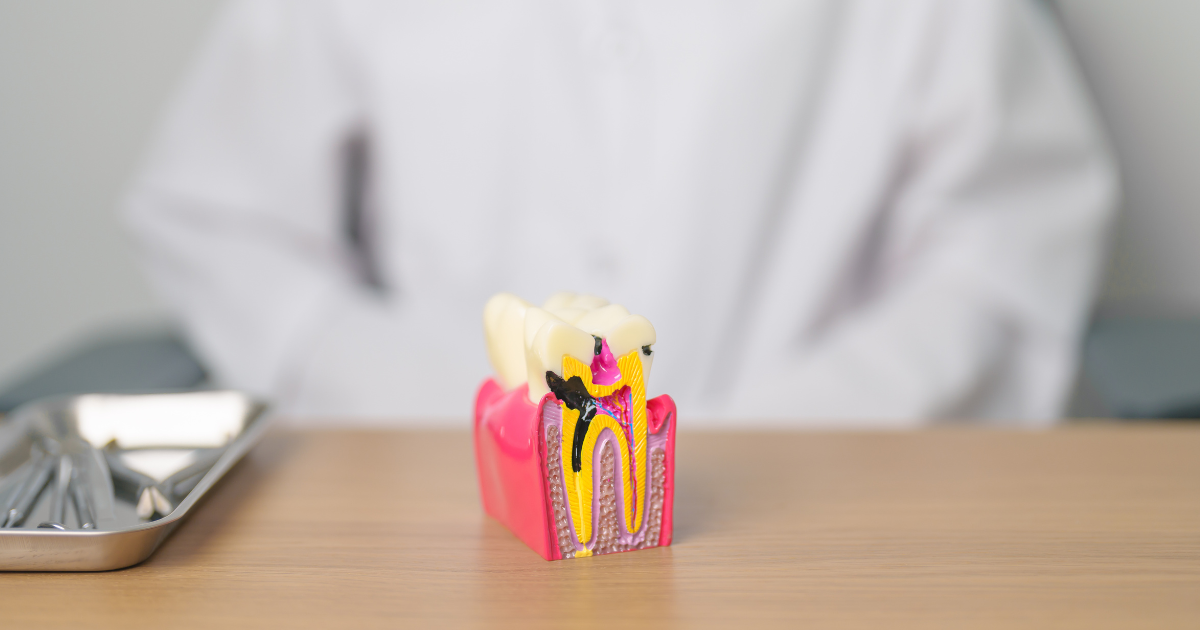
During a non-surgical root canal, the dentist creates a small access point in the tooth to clean out the damaged or infected pulp. The canal is then disinfected to remove bacteria and debris and sealed with a biocompatible material. This approach helps restore the tooth’s function and protects it from future damage.
Benefits:
- Less Invasive: Non-surgical root canal treatments are less invasive than traditional methods. This means fewer drills and less discomfort for the patient. The procedure often results in reduced recovery time and minimizes post-treatment pain.
- Preservation of Tooth Structure: By addressing issues inside the tooth without removing it, this method helps preserve natural tooth structure. This preservation is crucial for maintaining bite alignment and preventing shifts in adjacent teeth.
- Reduced Recovery Time: Patients often experience a quicker recovery compared to traditional root canals. The minimally invasive nature of the procedure usually leads to less sensitivity and a faster return to normal activities.
Success Rate:
Non-surgical root canals generally have a high success rate. Several individuals report notable pain reduction and increased functionality of the treated tooth. The procedure is effective in removing infection and restoring health to the tooth, provided it is performed correctly and followed up with proper care.
Preventing Tooth Loss with Non-Surgical Root Canals
Non-surgical root canals are effective in preventing tooth loss by addressing issues early and preserving the natural tooth structure. Here’s a closer look at how this treatment helps:
- Early Detection:
It’s critical to identify tooth decay or infections early on for preventing more severe damage. Non-surgical root canals are often recommended when the tooth’s pulp becomes infected or inflammatory, but they are still salvageable. By identifying and treating these issues at an early stage, the risk of extensive damage and potential tooth loss is significantly reduced. Regular dental check-ups are essential for catching these problems before they escalate.
- Effective Treatment:
Non-surgical root canal treatments focus on addressing the root causes of tooth pain and damage without resorting to extraction. The process entails cleaning the inside of the tooth, sealing it, and extracting any diseased or damaged pulp with a biocompatible material. This approach helps to preserve the tooth’s structure and function, allowing it to continue serving its purpose in the bite and smile. By avoiding extraction, patients maintain the integrity of their dental arch and prevent complications associated with missing teeth, such as shifting of adjacent teeth and bite misalignment.
- Addressing Concerns:
While non-surgical root canals are generally effective, it’s important to address any concerns you may have with your dentist. Discussing your options and understanding the procedure can help lessen any anxiety and ensure that you are comfortable with the treatment plan. Your dentist will provide information about the expected outcomes, potential risks, and aftercare instructions. This proactive approach helps ensure that the procedure meets your expectations and contributes to successful long-term results.
The Importance of Aftercare
Adequate aftercare is vital for the outcome of a non-surgical root canal:
- Oral Hygiene: Continue practicing proper dental hygiene, such as brushing and flossing regularly, to prevent further infections and support overall dental health.
- Regular Check-Ups: Make sure to schedule follow-up dental appointments to monitor the treated tooth and ensure it remains healthy.
- Preventive Measures: Avoid habits that could harm your teeth, such as chewing hard objects or neglecting oral care routines.
Is a Non-Surgical Root Canal Right for You?
To know if a non-surgical root canal is the right choice, keep in mind the following factors:
- Candidate Criteria: Ideal candidates are those with internal issues that haven’t caused extensive damage or infection beyond the pulp.
- Consultation: Consulting with an endodontist in Mansfield can provide personalized advice. They will assess your particular circumstance and offer suggestions on the best treatment approach.
- Decision-Making: Discuss all options with your dentist to make an informed decision about the most suitable treatment for your dental health.
Non-surgical root canals are crucial in preventing tooth loss by addressing internal tooth issues without invasive methods. They offer an effective solution for maintaining natural teeth, enhancing oral health, and improving quality of life. Prioritize preventive care and consult with an endodontist to explore if non-surgical root canal treatments in Mansfield are appropriate for your needs. By adhering to good oral hygiene practices and following professional advice, you can enjoy a healthier, more functional smile for years to come.