Call Us Today 817-737-7668


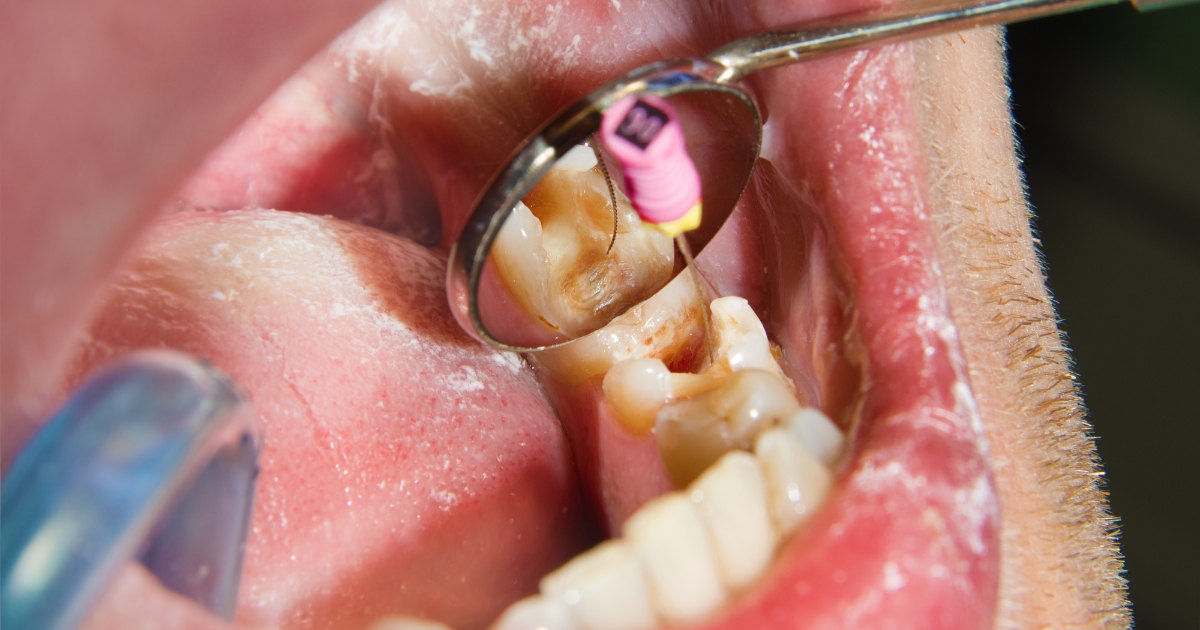
When your tooth is in trouble, root canal treatment often comes to mind. But did you know that there’s a less invasive option available? Non-surgical root canal treatment can be a game-changer for many patients. Understanding whether you’re a good candidate for this procedure can make all the difference in your dental health journey.
In this guide, we’ll explore how to determine if you’re suited for non-surgical root canal treatment. We’ll break down the signs to watch for, what makes someone a candidate, and how diagnostic tools help in this decision. By the end, you’ll be well-equipped to have an informed conversation with your dentist about the best course of action for your tooth health.
Ready to dive in and see if this treatment could be your solution? Let’s get started!
Signs You Might Be a Candidate

Determining if you’re a candidate for non-surgical root canal treatment starts with identifying symptoms that might indicate you need it. Here’s what to look for:
- Persistent Tooth Pain: If you experience continuous pain in a specific tooth, especially when chewing or touching it, this could be a sign of nerve damage.
- Sensitivity to Hot and Cold: Heightened sensitivity to temperature changes can suggest inflammation or infection in the tooth pulp.
- Swelling or Tenderness: Swelling in the gums or tenderness near the affected tooth often points to an underlying issue requiring treatment.
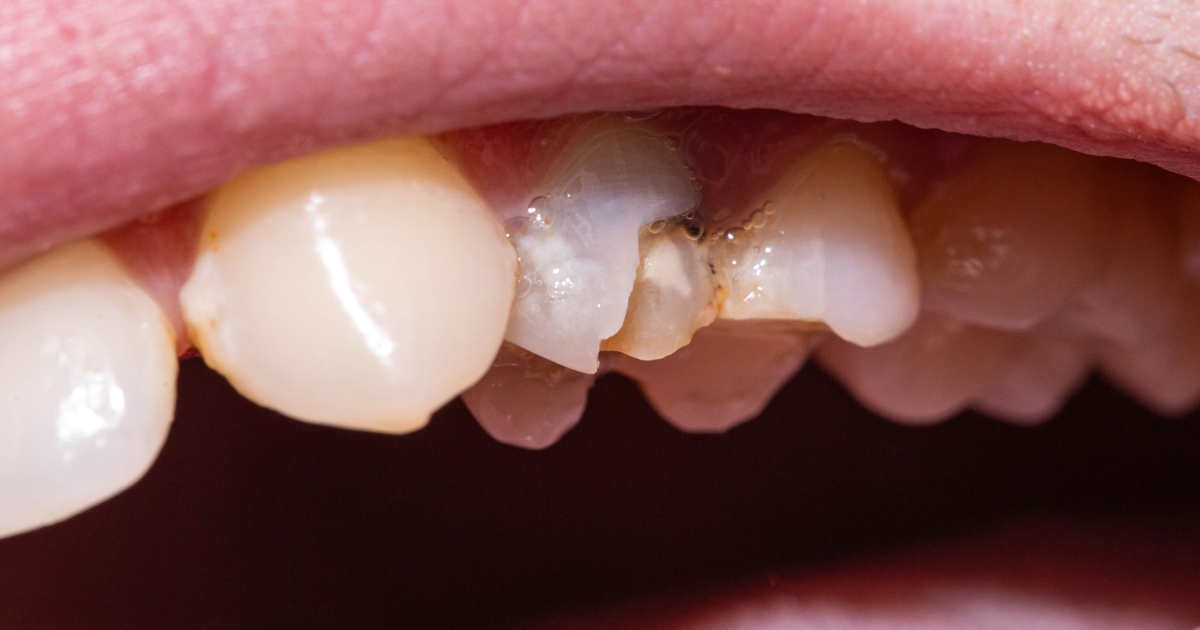
- Discoloration: Darkening of a tooth can indicate damage to the nerve or pulp.
If you notice these symptoms, it’s crucial to consult with a dental professional. They can evaluate whether non-surgical root canal treatments in Fort Worth are suitable for your condition.
Diagnostic Tools and Techniques

Before moving forward with treatment, your dentist will use various diagnostic tools to assess your tooth’s condition. Here’s how they do it:
- X-Rays: These help visualize the extent of decay, infection, or damage to the tooth and surrounding bone structure.
- Pulp Vitality Testing: This test determines if the tooth’s nerve is alive or dead.
- Clinical Examination: A hands-on exam allows the dentist to check for physical signs like swelling or decay.
- Sensitivity Tests: These assess your reaction to hot, cold, or pressure.
A comprehensive evaluation ensures your treatment plan is accurate and tailored to your needs. Your endodontist in Fort Worth will use these tools to decide if non-surgical treatment is the best option.
Advantages of Non-Surgical Root Canal Treatment
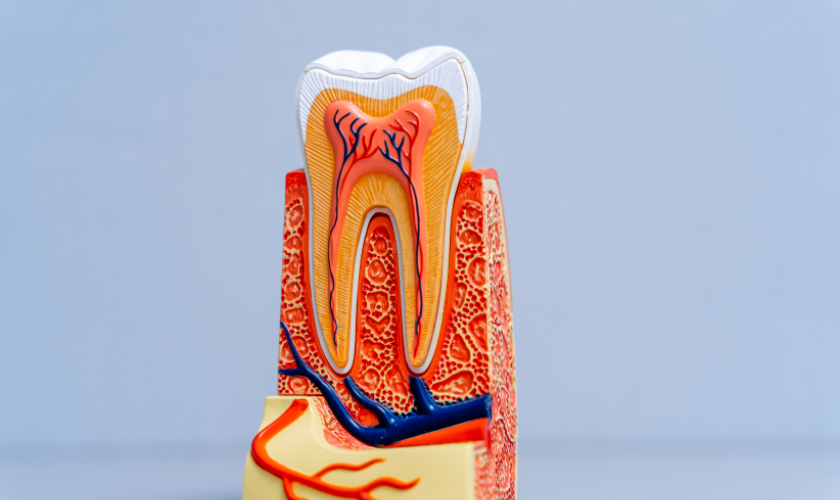
Non-surgical root canal treatment offers several benefits compared to traditional methods. Here’s why it might be the right choice:
- Less Invasive: Non-surgical treatments are less invasive, often leading to a quicker recovery and fewer complications.
- Reduced Discomfort: Many patients report less pain and discomfort during and after the procedure compared to traditional root canals.
- Preservation of Tooth Structure: This method can help preserve more of the tooth’s natural structure.
- Faster Recovery: Patients often experience a faster recovery time and return to normal activities sooner.
Choosing this treatment can be advantageous for those looking to avoid more invasive procedures while still addressing their dental issues effectively.
How to Find the Right Specialist?

Finding the right dental professional is crucial for successful non-surgical root canal treatment. Consider these tips:
- Look for Experience: Seek an endodontist with a track record in performing non-surgical root canals.
- Check Reviews: Read patient reviews and testimonials to gauge their satisfaction with the specialist.
- Evaluate Technology: Ensure the clinic uses advanced technology for diagnostics and treatment.
- Consultation: Schedule a consultation to discuss your symptoms and treatment options.
You can find highly qualified professionals by searching for “endodontist in Fort Worth” online, and making sure they meet your criteria for expertise and technology.
Preparing for Your Appointment

Preparation can make your appointment go smoothly. Here’s what to do:
- Gather Medical History: Provide your dentist with a complete medical and dental history, including any allergies or previous treatments.
- List Symptoms: Write down any symptoms you’ve been experiencing, including when they started and their intensity.
- Ask Questions: Prepare questions about the procedure, recovery time, and what to expect post-treatment.
- Arrange Transportation: If sedation is involved, arrange for someone to drive you home.
Proper preparation helps ensure that your consultation and treatment are as effective as possible.
Post-Treatment Care and Expectations

After your non-surgical root canal treatment, following proper care instructions is essential. Here’s what you should know:
- Follow-Up Appointments: Attend any scheduled follow-up visits to ensure healing is progressing as expected.
- Oral Hygiene: Maintain good oral hygiene practices, including brushing twice daily and flossing regularly.
- Avoid Hard Foods: Steer clear of hard or sticky foods that might disrupt the treatment area.
- Watch for Symptoms: Be mindful of any returning symptoms and contact your dentist if they occur.
Determining if you’re a candidate for non-surgical root canal treatment involves recognizing symptoms, undergoing a thorough diagnostic process, and understanding the benefits. If you experience persistent tooth pain, sensitivity, or swelling, consult an endodontist to evaluate your condition. By following the right steps and working with a skilled specialist, you can effectively address your dental issues and maintain your oral health.