Call Us Today 817-737-7668

Facing the prospect of a root canal can be daunting, primarily due to the misconceptions and myths surrounding this dental procedure. However, the reality of root canal therapy is far less scary than it seems. Let’s find out the truth and debunk some of these common myths.
What Exactly Is Root Canal Therapy?
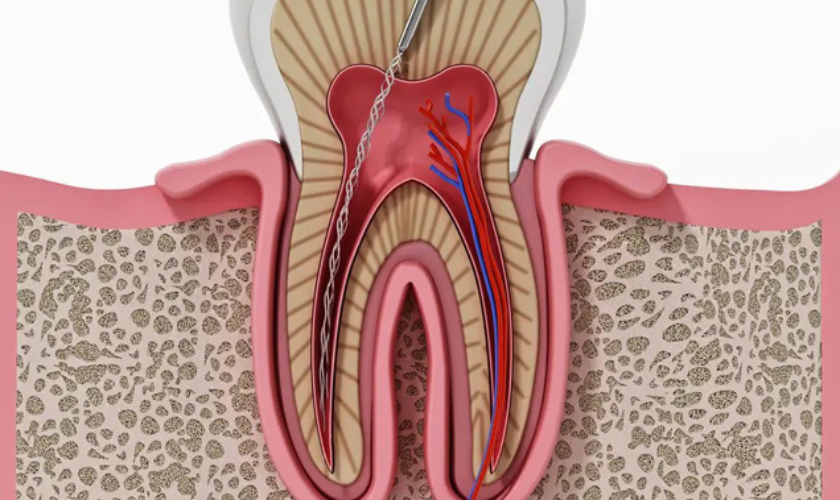
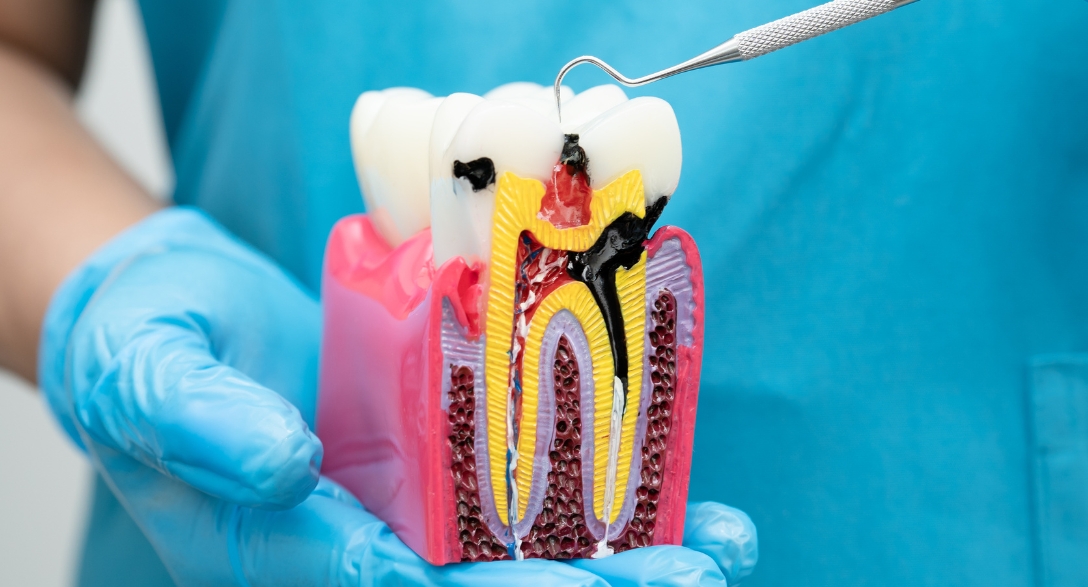
Root canal therapy is a dental procedure designed to save a tooth that has been severely damaged or infected. The procedure involves removing the infected pulp, cleaning the inside of the tooth, and sealing it to prevent further damage. It’s a highly effective way to preserve your natural tooth and avoid extraction.
Myth 1: Root Canal Therapy Is Extremely Painful
This myth is the most widespread and unfounded. Thanks to modern dentistry techniques and anesthesia, root canal therapy is no more painful than getting a filling. Patients often compare the experience to having a cavity filled. The procedure is designed to relieve the pain caused by the infection, so most patients feel significantly better afterward.
Myth 2: It’s Better to Extract the Tooth
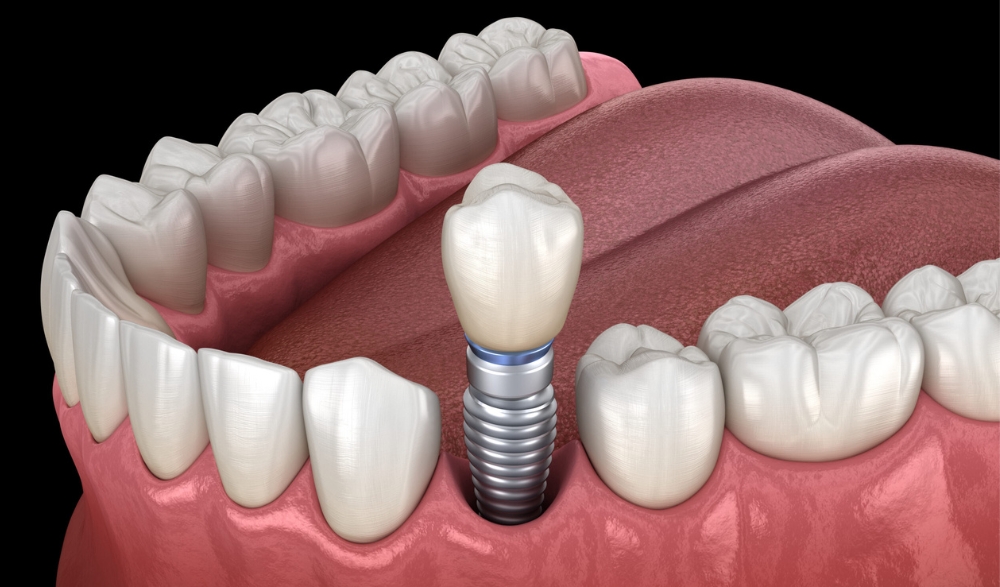
Extracting the tooth is a more straightforward solution. However, saving your natural tooth has numerous advantages. Root canal therapy allows you to maintain your natural bite, chew efficiently, and preserve the natural appearance of your smile. Tooth extraction, on the other hand, can lead to additional dental work, such as implants or bridges, which can be more invasive and costly.
Myth 3: Root Canal Therapy Causes Illness
This myth stems from outdated and debunked research. Root canal therapy is safe and does not cause illness. Modern sterilization techniques ensure that the procedure is performed under the highest hygiene standards. There’s no evidence linking root canal-treated teeth to any systemic health problems.
The Root Canal Procedure: What to Expect
Understanding the steps involved can help ease any anxiety you might have. Here’s a breakdown of what typically happens during root canal therapy:
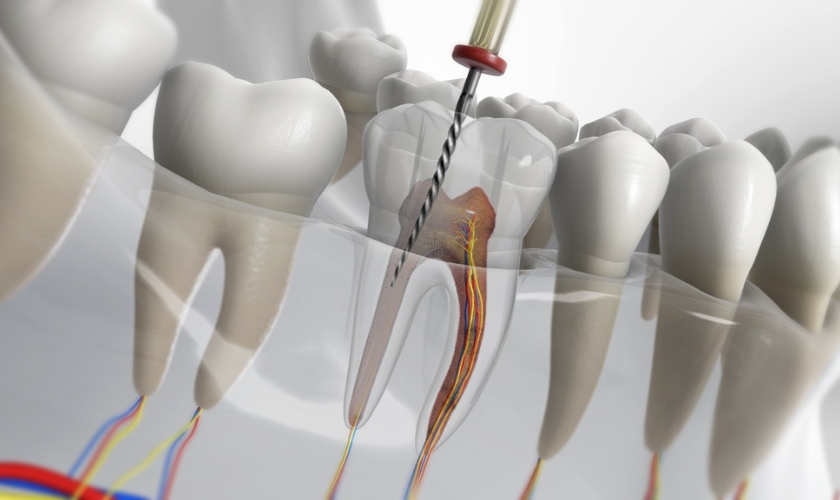
1. Examination and X-rays: Your endodontist will first examine your tooth and take X-rays to determine the extent of the infection.
2. Anesthesia: Local anesthesia is applied to numb the area, ensuring you are comfortable and pain-free during the procedure.
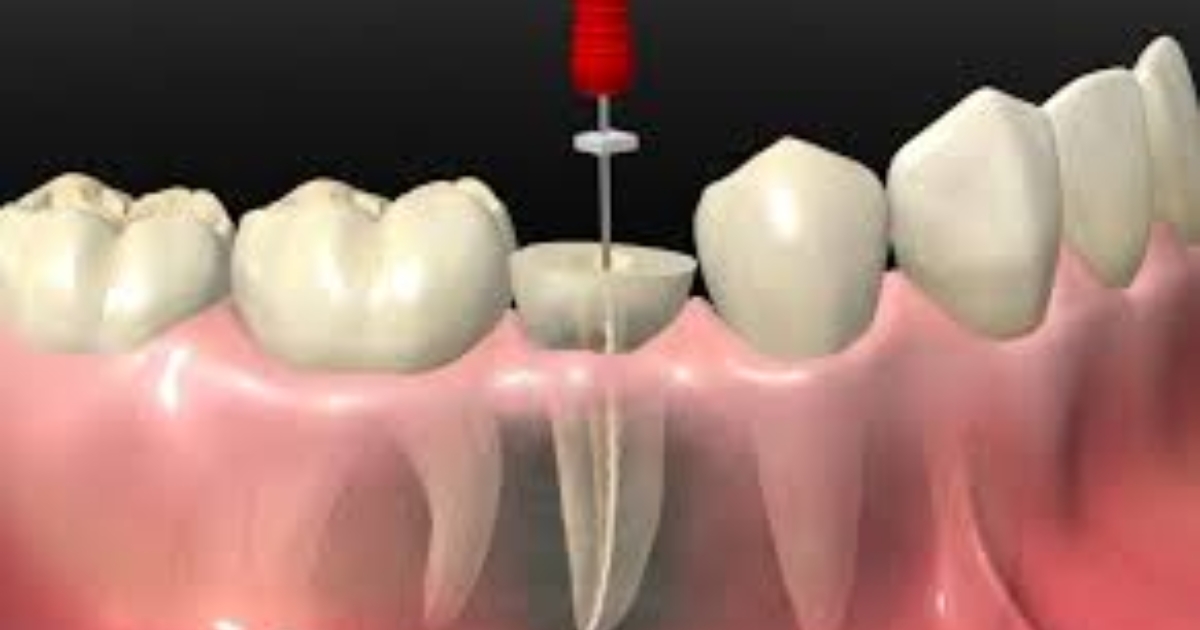
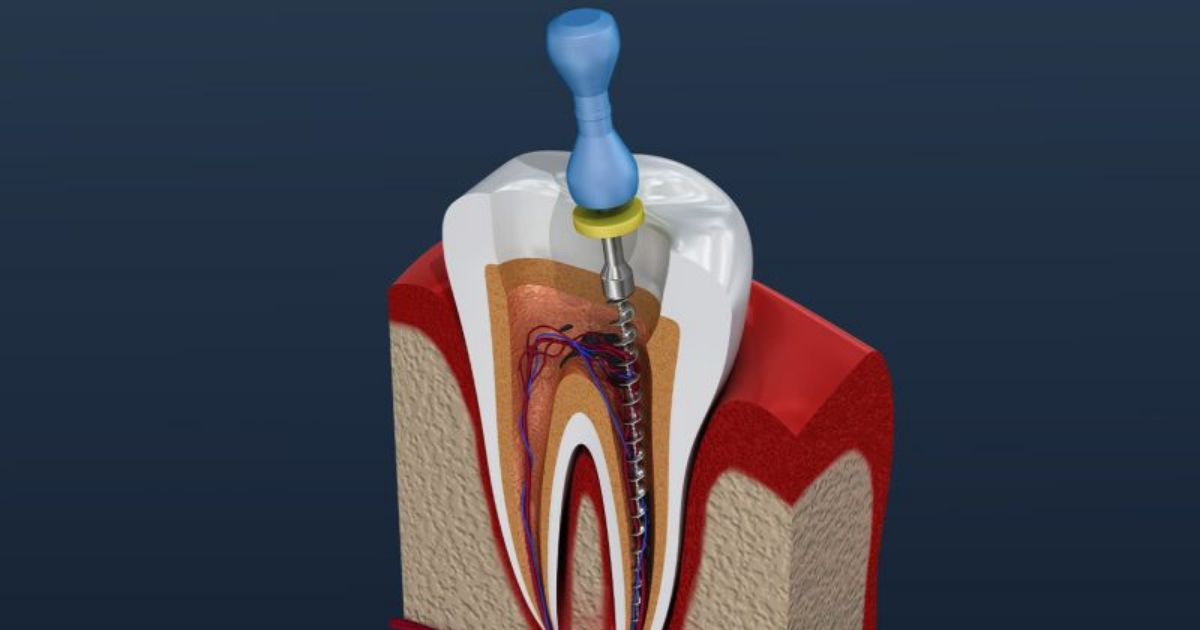
3. Cleaning the Root Canal: The endodontist creates an opening in the tooth’s crown and cleans out the infected pulp from the root canals.
4. Sealing the Tooth: After cleaning, the root canals are shaped, disinfected, and sealed with a biocompatible material. Often, a temporary filling is placed until a permanent crown can be applied.
After the Procedure: Recovery and Care
Post-procedure care is crucial for a successful recovery. Here are some tips to help you recover smoothly:
- Pain Management: Any discomfort can usually be managed with over-the-counter pain relievers.
- Oral Hygiene: Maintain good oral hygiene by brushing and flossing regularly.
- Follow-Up Visits: Attend all follow-up appointments to ensure the tooth is healing properly and to get your permanent crown placed if needed.
When to Contact Your Dentist
While complications are rare, it’s important to be aware of signs that might require a follow-up with your dentist:
- Persistent pain or swelling
- Allergic reactions to medication
- Issues with the temporary filling
The Psychological Aspect: Overcoming Dental Anxiety

Many patients experience dental anxiety, which can make the idea of root canal therapy even more daunting. Here are some strategies to help manage this anxiety:
- Communication: Talk to your endodontist about your fears. Understanding the procedure can often alleviate anxiety.
- Relaxation Techniques: Deep breathing exercises or listening to music during the procedure can help you stay calm.
- Distraction: Bringing a friend or using visual distractions like watching a movie can also be beneficial.
Choosing the Right Endodontist
Choosing an experienced and empathetic endodontist is vital for a comfortable root canal experience. Look for someone who:
- Has positive reviews and testimonials
- Uses modern technology and techniques
- Makes you feel comfortable and addresses your concerns
Benefits of Root Canal Therapy

Root canal therapy offers numerous benefits, including:
- Pain Relief: The procedure removes the infection, alleviating the pain.
- Preservation of Natural Teeth: Keeping your natural tooth helps maintain your dental health and aesthetics.
- Efficiency: Root canal therapy is usually completed in one or two visits.
Dispelling the Fear: The Reality of Modern Dentistry
Modern dentistry has advanced significantly, making procedures like root canal therapy much more comfortable and practical than they were in the past. Advanced technology, improved anesthetics, and better materials have revolutionized dental care, providing patients with a virtually painless experience.
The Value of Your Natural Teeth
Retaining your natural teeth should always be a priority. Natural teeth provide better function and aesthetics compared to artificial replacements. With root canals, you can avoid the complications associated with tooth loss, such as bone resorption and shifting of adjacent teeth.
Final Truth About Root Canals
Root canals don’t have to be a source of fear or anxiety. By understanding the process and debunking common myths, you can confidently approach the procedure. Remember, your trusted local endodontist in Texas is there to ensure you receive the best care possible. Embrace the benefits of modern dentistry and keep your smile healthy and bright.
Root canal therapy is a crucial procedure for maintaining dental health and preserving your natural smile. Don’t let myths and misconceptions prevent you from seeking the treatment you need. With the right information and a compassionate dental professional, your experience can be positive and pain-free.