
Call Us Today 817-737-7668

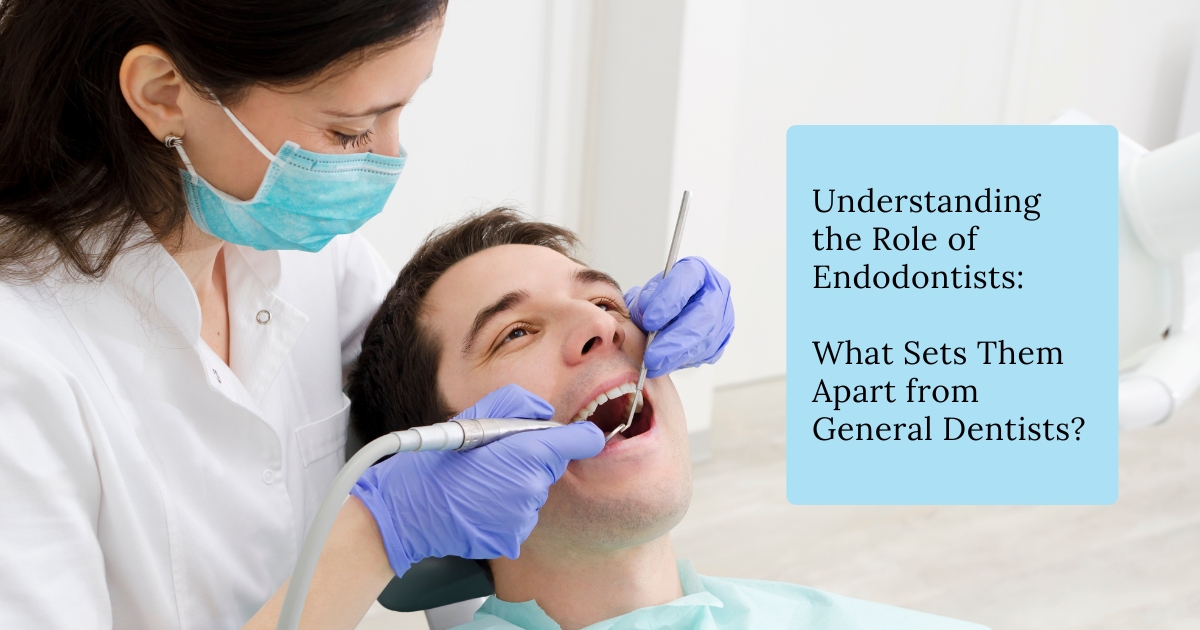
When it comes to dental health, many people know about general dentists, but what about endodontists? These specialists play a crucial role in treating complex tooth problems, especially those related to the pulp and root.
If you’ve ever experienced a painful toothache, you might have wondered whether you needed a general dentist or a specialist like an endodontist. Understanding this distinction can make a big difference in your dental care.
In this blog, we’ll dive deep into the world of endodontics and explore what sets these professionals apart. From their specialized training to the advanced techniques they use, you’ll learn why endodontists are often your best bet for saving a damaged tooth.
Whether you’re dealing with a persistent ache or simply curious about dental specialties, you’ll find valuable insights here. So, let’s unravel the mystery behind endodontists and discover how they can help you achieve optimal dental health!
What Endodontics Is All About?
Endodontics focuses on diagnosing and treating issues related to the inner structures of teeth, particularly the pulp and roots. It plays a vital role in saving natural teeth and alleviating pain. Here’s a closer look at what endodontics encompasses:
- Definition and Scope: Endodontics is a dental specialty that deals with diseases of the dental pulp and tissues surrounding the roots of a tooth. This includes treatments aimed at preserving teeth that might otherwise require extraction.
- Common Procedures: Endodontists perform various procedures, with root canals being the most recognized. They also handle endodontic retreatments, apicoectomies (removing the tip of the root), and treatment for traumatic dental injuries.
The Journey to Becoming an Endodontist
Becoming an endodontist requires dedication and extensive education. Here’s what the journey looks like:
- Required Education Path: After earning a dental degree (DDS or DMD), aspiring endodontists must complete a two- to three-year residency program focused specifically on endodontics.
- Additional Training and Certifications: Many endodontists also pursue board certification to demonstrate their expertise. This process involves passing rigorous examinations and continuing education to stay current with advancements in the field.
How Endodontists Differ from General Dentists?
Understanding the distinctions between endodontists and general dentists helps patients know where to seek care. Here’s what sets them apart:
- Focus Areas: General dentists handle a wide range of dental care, including cleanings, fillings, and preventive care. In contrast, endodontists specialize in treating complex issues related to the tooth’s pulp and surrounding tissues.
- Case Types: While general dentists can manage many dental problems, they often refer cases requiring specialized expertise, like severe toothaches or complicated root canal treatments, to endodontists.
Knowing When to Reach Out to an Endodontist
Recognizing the right time to see an endodontist can save your tooth and your smile. Here’s what to watch for:
- Signs You Need Specialized Care: Persistent tooth pain, swelling around the gums, or discoloration of a tooth can signal underlying issues that warrant an endodontist’s expertise.
- Importance of Timely Referrals: Delaying treatment can lead to more severe complications, including infection or tooth loss. If your general dentist recommends a referral, it’s crucial to act promptly.
Navigating the Endodontic Treatment Journey
Understanding what to expect during an endodontic procedure can ease anxiety. Here’s a step-by-step overview:
- Root Canal Overview: During a root canal, the endodontist removes infected or damaged pulp, cleans the root canals, and seals them to prevent further infection.
- Patient Expectations: Patients can expect to feel minimal discomfort during the procedure, often managed with local anesthesia. Afterward, some soreness is typical, but it usually resolves quickly, allowing for a smooth recovery.
The Advantages of Choosing an Endodontist
Opting for an endodontist brings numerous benefits, especially for complex cases. Here’s why:
- Advanced Techniques: Endodontists utilize state-of-the-art technology, such as digital imaging and operating microscopes, to enhance precision and outcomes during treatments.
- Success Rates: Research shows that treatments performed by endodontists tend to have higher success rates, particularly for difficult cases. Their specialized training allows for better management of challenging dental issues.
Common Questions About Endodontics
It’s natural to have questions about endodontics. Here are some common queries and clarifications:
- Do root canals hurt?: Most patients report that the procedure is no more painful than having a filling, thanks to effective anesthesia and sedation options.
- Can a tooth that has had a root canal get infected again?: Yes, while rare, reinfection can occur. Endodontists can treat these cases through retreatment.
- What are some myths about root canals?: Many people believe root canals are excessively painful or lead to illness. In reality, they often alleviate pain and help preserve your natural tooth.
Understanding the unique role of endodontists is essential for making informed decisions about your dental health. By recognizing when to seek specialized care, you can protect your teeth and alleviate pain effectively. Remember, a healthy smile often begins with the right expertise. Whether you’re facing a challenging dental issue or simply curious about endodontics, these specialists are here to help. Don’t hesitate to contact your trusted local endodontist for the care you deserve!