
Call Us Today 817-737-7668

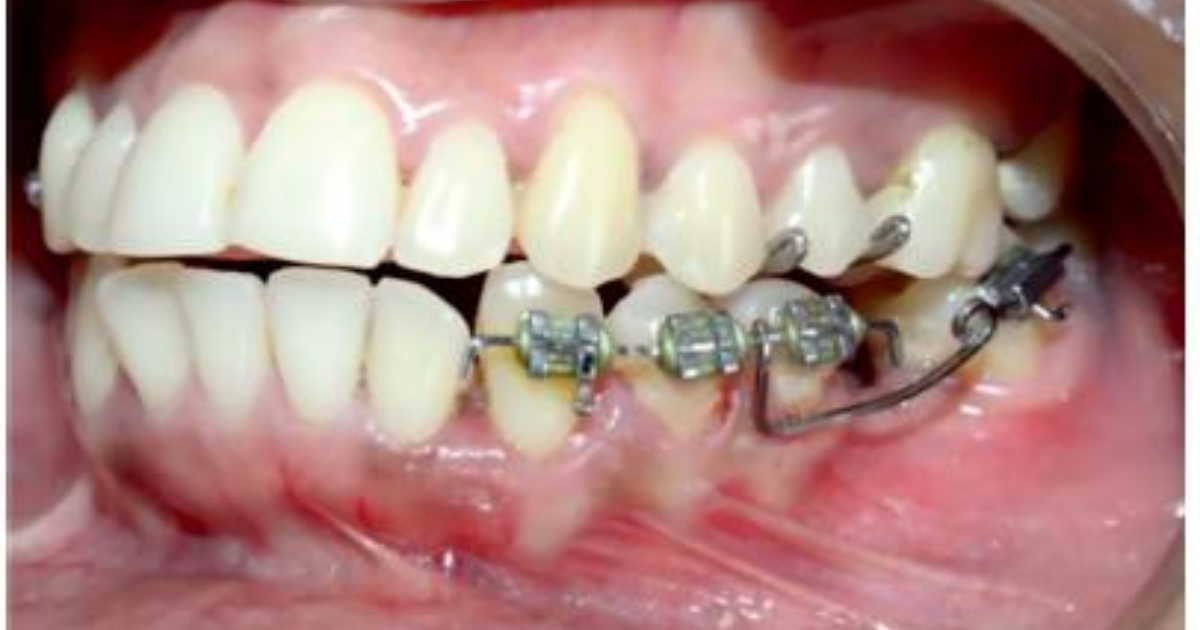
The use of restorative dentistry is essential to preserving and improving oral health. It involves various procedures to repair and restore damaged or missing teeth, ensuring they function properly and look aesthetically pleasing. In some cases, additional procedures, known as adjunctive restorative procedures, are necessary to enhance or complete the primary restoration. These adjunctive procedures are vital for achieving optimal dental health and functionality. This blog will explore when these procedures are needed, the factors influencing treatment decisions, and the common types of adjunctive restorations available.
Exploring Adjunctive Restorative Procedures
Adjunctive restorative procedures are supplementary treatments designed to address issues that arise after initial dental restorations or to enhance the results of primary treatments. These procedures can be further divided into two main categories: direct and indirect restorations.
- Direct Restorations: These are applied directly to the tooth in a single visit. Materials such as composite resins are used to fill cavities or repair minor damage.
- Indirect Restorations: These involve creating a custom restoration in a dental laboratory. Materials used can include ceramics, metals, or a combination of both. Indirect restorations are often used for more extensive repairs and involve multiple visits.
Materials used in these procedures play a significant role in their success. Composites are popular for their aesthetic qualities, while ceramics offer durability and a natural look. Metals, though less commonly used for visible teeth, provide strength and long-lasting results for back teeth.
Indications for Adjunctive Restorative Procedures
Adjunctive restorative procedures are required in several scenarios:
- Following Root Canal Treatment: After a root canal, the tooth may need additional support. Adjunctive procedures like crowns are often necessary to protect the tooth and restore its function.
- After Periodontal Treatment: Gum disease treatment can sometimes leave teeth weakened or altered. Adjunctive procedures help in rebuilding tooth structure and improving overall oral health.
- In Cases of Tooth Wear or Erosion: Teeth that have undergone significant wear or erosion due to grinding or acid erosion may need restorative procedures to rebuild and protect the tooth structure.
- To Improve Aesthetics: Patients seeking to enhance their smile may require adjunctive procedures like veneers or crowns to achieve a more attractive appearance.
- To Enhance Function: For teeth that are structurally compromised, adjunctive procedures can restore function, allowing for better chewing and speaking abilities.
If you’re considering these procedures, you may find options for adjunctive restorative procedures in Forney that cater specifically to your needs.
Key Factors Influencing Adjunctive Restoration Planning
Several factors affect the planning and success of adjunctive restorative procedures:
- Tooth Structure: The remaining tooth structure after the initial restoration plays a crucial role. Adequate tooth structure is necessary to support additional restorations effectively.
- Occlusal Forces: The forces exerted on the teeth during chewing affect the choice of restoration materials and techniques. Restorations must withstand these forces without failing.
- Patient’s Oral Hygiene Habits: Good oral hygiene is essential for the longevity of any restoration. Patients with poor hygiene habits may experience issues with their restorations.
- Aesthetic Expectations: The desired appearance of the final restoration will influence the choice of materials and techniques used.
Proper diagnosis and treatment planning are vital for the success of adjunctive restorations. A thorough examination by a dentist helps in selecting the most appropriate procedures to achieve the best outcomes.
Common Adjunctive Procedures
Several common adjunctive procedures are used to address different dental issues:
- Crowns: Crowns cover the entire tooth, providing strength and protection. They are often used after a root canal or for heavily damaged teeth.
- Bridges: Bridges replace missing teeth by anchoring artificial teeth to adjacent natural teeth. They restore function and improve aesthetics.
- Veneers: Veneers are thin shells of porcelain or composite that cover the front surface of teeth. They enhance appearance by correcting imperfections.
- Inlays and Onlays: These are custom-made fillings that fit precisely into cavities or cover damaged areas of teeth. They offer a durable and natural-looking restoration.
Each of these procedures has specific benefits and is indicated based on the patient’s condition and goals.
Caring for Adjunctive Restorations
Maintaining adjunctive restorations requires diligent care:
- Oral Hygiene: Maintaining the health of the restorations and preventing decay need regular brushing and flossing.
- Dental Checkups: Routine visits to the dentist assist in keeping an eye on the repairing state and taking care of any issues promptly.
- Preventive Measures: Avoiding hard foods and using mouthguards during sports can prevent damage to restorations.
Enhancing Oral Health with Adjunctive Restorations
Adjunctive restorations play a vital role in maintaining and enhancing oral health. They help ensure that primary restorations are successful and that teeth remain functional and aesthetically pleasing. If you’re experiencing issues with your dental restorations or considering additional treatments, consult with an endodontist in Forney for personalized care. Addressing these needs with the right procedures can greatly enhance both your general health and oral health. Regular preventive care and timely treatment are essential for the longevity of any restorative work.