Call Us Today 817-737-7668


Any dental operation, even one as foreign as a root canal, might be frightening to consider for your child. However, dental technology has advanced, making these operations more efficient and pleasant, especially for young patients. The advancement of non-surgical root canal therapy is a prominent example.
This blog is dedicated to exploring how modern techniques in non-surgical root canal therapy are revolutionizing pediatric dental care. We will examine how these advancements make the procedure less intimidating and more comfortable for children, focusing on improved technology, techniques, and patient experiences that help alleviate fears and ensure positive outcomes.
Understanding Root Canals in Children
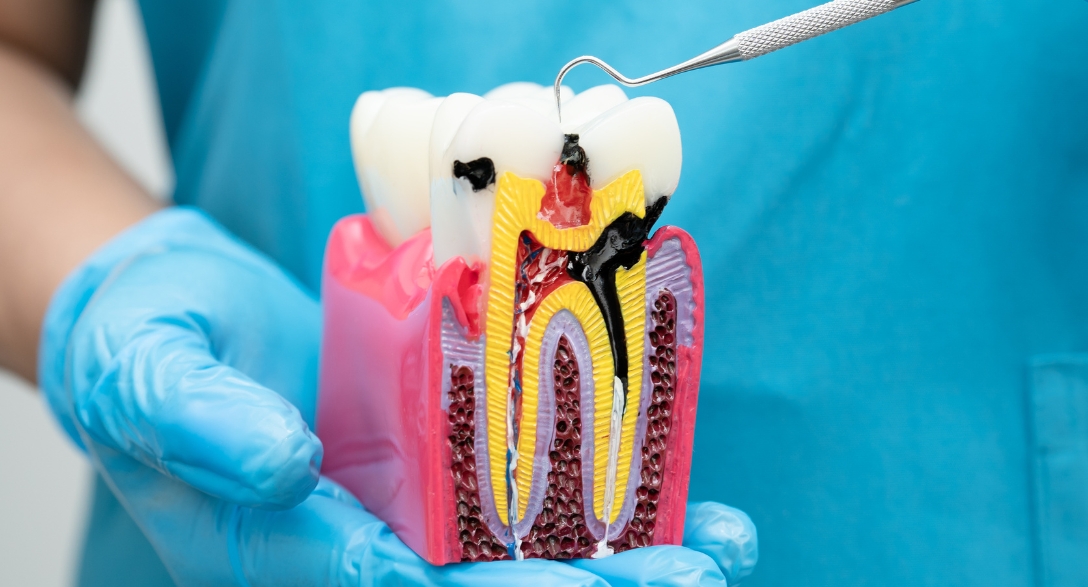
A root canal is a dental treatment to extract damaged or diseased pulp from a tooth. In children, the pulp, which is made up of blood vessels and nerves, might get infected because of deep cavities, trauma, or repeated dental procedures. If the infection is not treated, it may spread and cause serious pain, tooth loss, and even more serious health issues.
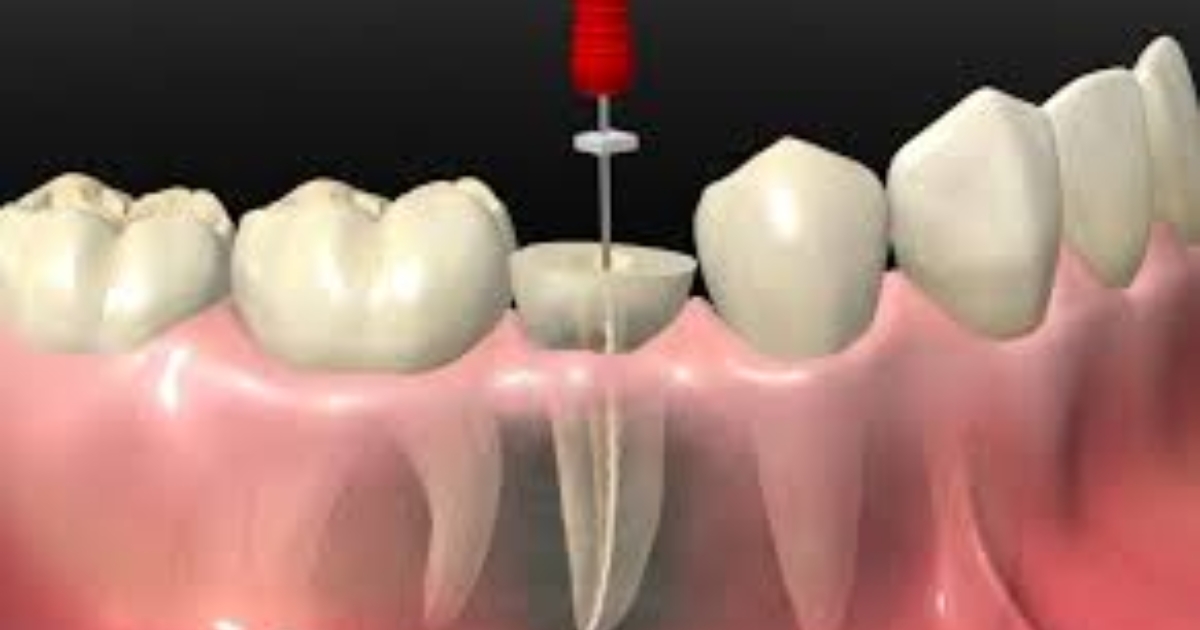
Treating an infected pulp in children through non-surgical root canal treatments in Denton is crucial not only to alleviate pain but also to save the tooth and prevent future dental issues. The procedure involves carefully cleaning out the contaminated pulp, cleaning the root canals, and caulking them to stop further infection.
Repairing the teeth using a crown or filling is often necessary to protect it and restore its function. Early detection and appropriate treatment are crucial for ensure the tooth remains healthy and functional, contributing to the child’s overall dental health and development.
Non-Surgical Root Canals: A Gentle Approach
Unlike adult root canals, non-surgical root canals for children are often less complex due to the tooth’s developmental stage. The procedure involves removing the infected pulp and sealing the tooth to prevent further infection.
This gentle approach minimizes discomfort and preserves the tooth’s function, which is crucial for maintaining proper alignment of the emerging permanent teeth. The overall goal is to ensure that the child’s dental health is maintained while avoiding more invasive treatments, making the experience more manageable and less stressful for both the child and the parent.
- Benefits of Non-Surgical Root Canals for Kids:
- Preservation of the primary tooth: This is crucial for proper jaw development and alignment.
- Pain relief: Effective in eliminating toothaches caused by infection.
- Preventing future dental problems: Saving the tooth can avoid complications like abscesses and infections.
- Shorter treatment time: Often less invasive and time-consuming than adult root canals.
The Procedure
The precise actions might vary depending on the age of your child and the infection’s severity but generally, the process involves:
- Anesthesia: Local anesthesia is administered to numb the area, ensuring your child’s comfort during the procedure.
- Access: The little gap that forms in the tooth to reach the infected pulp.
- Pulp Removal: With caution, the contaminated pulp is removed using specialized instruments.
- Cleaning and Disinfection: After being meticulously cleansed, the root canals are disinfected to prevent reinfection.
- Filling: The root canals are filled with a special material to seal them off.
- Temporary Crown: A temporary crown is often placed to protect the tooth while it heals.
Post-Treatment Care
After the procedure, it’s essential to follow your dentist’s instructions for aftercare. This may include:
- Pain Management: Non-prescribed painkillers can help manage any discomfort following a non-surgical root canal procedure. These drugs aid in pain relief and inflammation reduction making the recovery process more comfortable.
- Oral Hygiene: In order to avoid infection and encourage healing following a root canal, good oral hygiene is essential. To remove plaque and food particles, brush your teeth at least two times a day with fluoride toothpaste and floss every day.
- Follow-up Appointments: Scheduling check-ups are necessary to monitor the tooth’s healing process and ensure the success of the treatment. In these appointments, your dentist will check the treated tooth, take any necessary X-rays, and assess your overall oral health.
When To Seek Professional Help?
If your child complains of persistent toothache, sensitivity to hot or cold temperatures, or has a noticeable swelling or abscess around the tooth, it’s essential to schedule an appointment with a pediatric dentist. Early intervention is key to preserving your child’s oral health.
Finding the Right Dentist
Choosing the right dentist for your child is crucial. An experienced pediatric dentist or endodontist in Denton can provide the necessary expertise and gentle care for your child’s dental needs.
While the thought of a root canal for your child might be alarming, non-surgical root canals provide a secure and practical means of saving your child’s tooth and alleviate their pain. By understanding the procedure and working closely with a qualified endodontist in Denton, you can ensure your child receives the best possible care.
Recall that preventing more severe dental issues requires early action. Don’t be afraid to get expert assistance if you think your child needs a root canal.