Call Us Today 817-737-7668

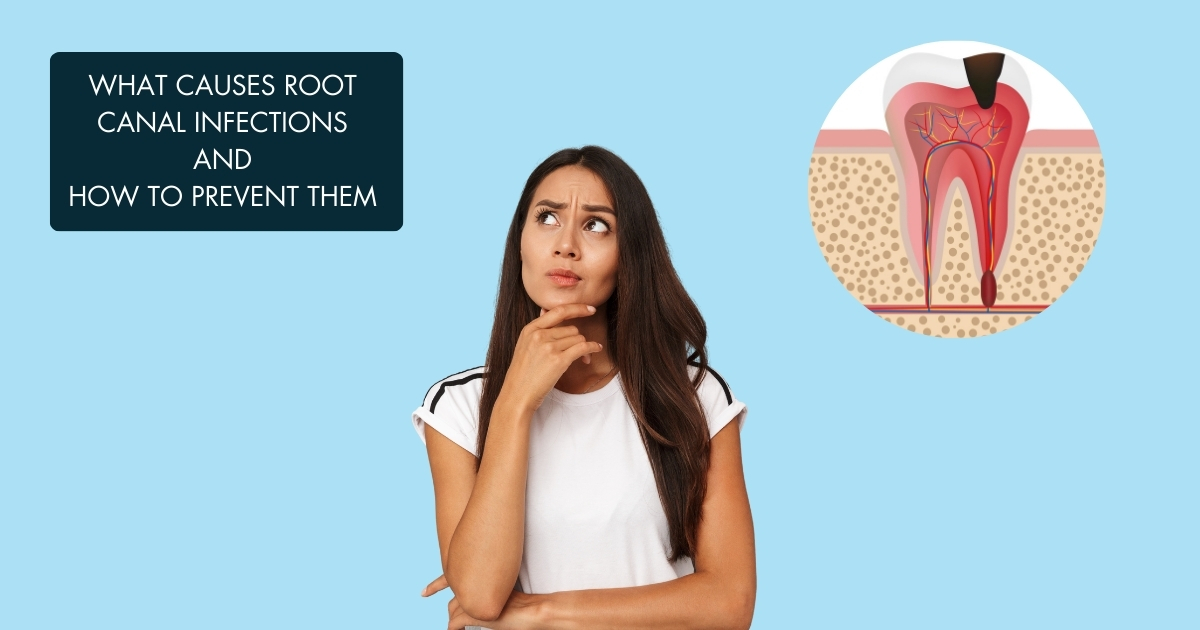
Root canal infections can be a dental nightmare, but understanding their causes can empower you to take control of your oral health.
Have you ever wondered how a seemingly harmless cavity could lead to a painful infection?
By recognizing the warning signs and prevention strategies, you can avoid the dreaded root canal treatment altogether.
In this blog, we’ll explore what triggers these infections and how you can protect your teeth. From the impact of poor oral hygiene to the role of your diet, we’ll cover it all.
You’ll discover practical tips to maintain a healthy smile and learn about the symptoms that should never be ignored. Let’s dive in and arm ourselves with the knowledge needed to keep those root canals at bay!
Understanding Root Canal Infections
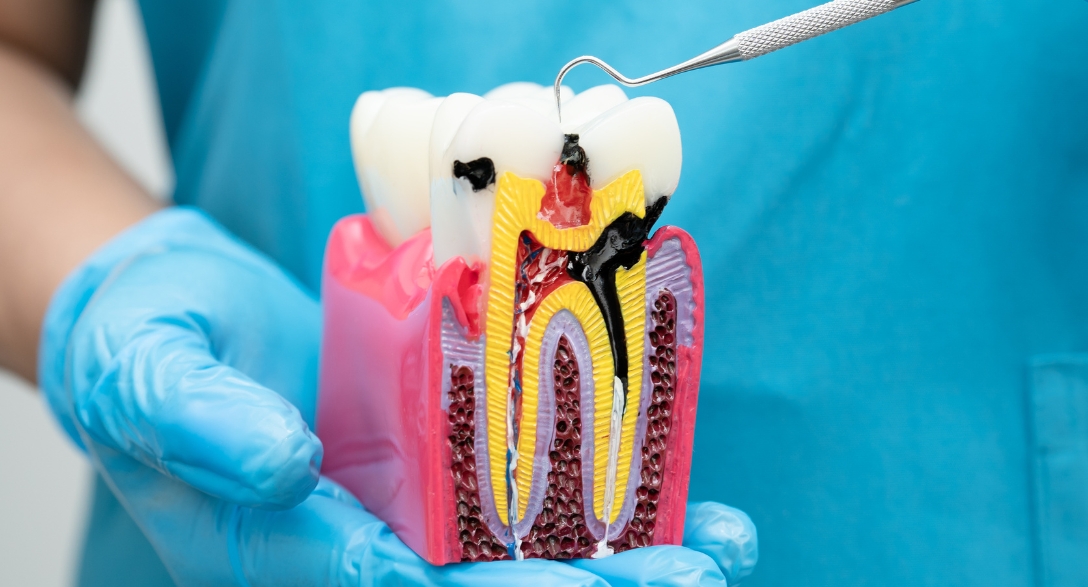
Root canal infections arise when bacteria invade the pulp of a tooth, leading to inflammation and pain. This condition can escalate quickly, causing severe discomfort and potential tooth loss if left untreated. The most common symptoms include:
- Severe toothache, especially when chewing or applying pressure
- Sensitivity to hot or cold, even after the stimulus is removed
- Swelling in the gums surrounding the infected tooth
- Discoloration of the tooth
- Persistent bad breath or an unpleasant taste in the mouth
Recognizing these signs early can make a significant difference in treatment success.
Common Causes of Root Canal Infections
Several factors contribute to root canal infections, including:
- Dental Cavities: Untreated cavities allow bacteria to penetrate deeper into the tooth, leading to infection.
- Cracked or Damaged Teeth: Trauma can create cracks that expose the pulp, providing an entry point for bacteria.
- Gum Disease: Periodontal issues can compromise tooth health, increasing the risk of infection.
- Previous Dental Procedures: Past treatments, like fillings or crowns, may not seal properly, allowing bacteria to enter.
Understanding these causes helps you take preventive measures to protect your teeth.
The Impact of Oral Hygiene on Infections
Maintaining excellent oral hygiene is crucial for preventing root canal infections. Here’s how:
- Regular Brushing and Flossing: Brush twice a day and floss daily to remove plaque and food particles that harbor bacteria.
- Professional Cleanings: Regular visits to your dentist for cleanings help catch issues early and keep your mouth healthy.
Incorporating these habits into your routine can significantly reduce your risk of infection.
Diet and Its Role in Dental Health
Your diet plays a vital role in your oral health. Consider the following:
- Foods That Promote Oral Health: Incorporate crunchy fruits and vegetables, dairy products, and whole grains, which can help strengthen teeth and gums.
- Sugary and Acidic Foods: Limit candies, sodas, and acidic snacks that can erode enamel and lead to cavities, increasing the risk of infections.
A balanced diet supports your dental health and reduces the chances of needing a root canal.
Signs You May Have a Root Canal Infection
Recognizing the indicators of a root canal infection is essential for timely treatment. Look for:
- Common Indicators: Severe tooth pain, swelling in the gums, and sensitivity to temperature changes.
- When to Seek Dental Care: If you experience prolonged pain or notice swelling, contact your endodontist immediately for evaluation.
Early intervention can prevent further complications and preserve your tooth.
Preventive Measures to Avoid Root Canal Infections
You can take several proactive steps to avoid root canal infections:
- Routine Dental Visits: Schedule regular checkups to monitor your oral health and catch potential problems early.
- Good Oral Hygiene Practices: Establish a consistent brushing and flossing routine to keep bacteria at bay.
- Dietary Adjustments: Make healthier food choices to promote stronger teeth and gums.
Implementing these measures helps maintain your dental health and avoid infections.
What to Expect If You Need a Root Canal?
If you need a root canal, understanding the procedure can ease your anxiety:
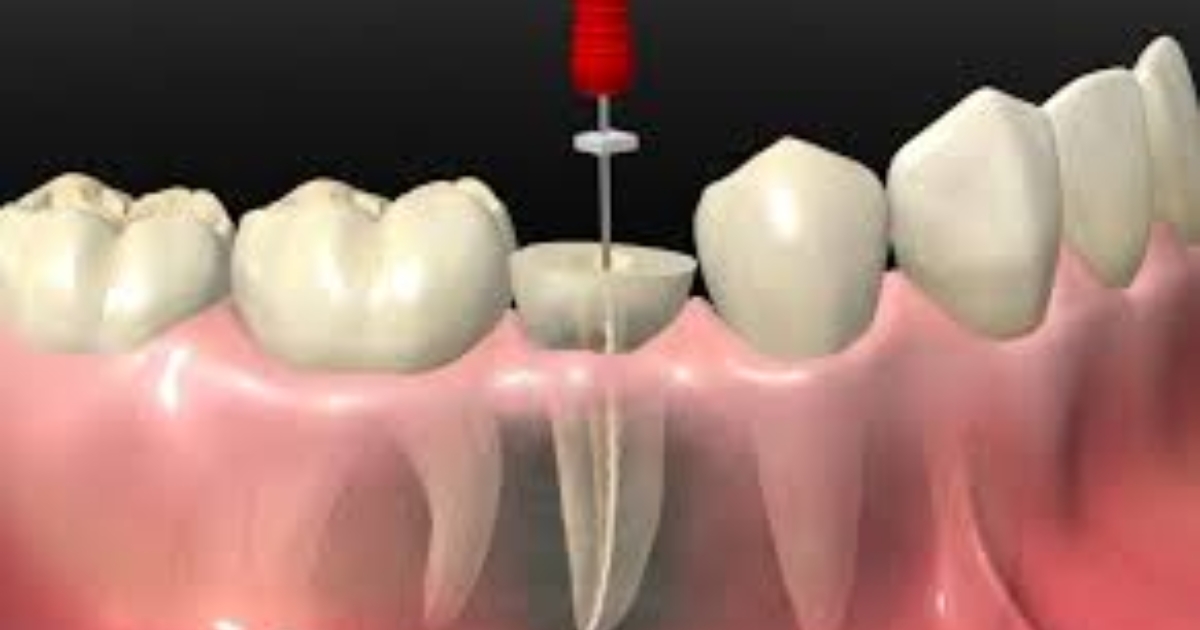
- Overview of the Root Canal Procedure: An endodontist in Alliance will remove the infected pulp, clean the root canals, and seal them to prevent further infection.
- Post-Treatment Care: Follow your endodontist’s aftercare instructions, including taking prescribed medications and avoiding hard foods, to ensure optimal recovery.
Understanding the process can help you feel more prepared and confident in your treatment journey. If you’re facing potential issues, consult an endodontist near you for specialized care and support.
By knowing what causes root canal infections you can take charge of your dental health. By recognizing early symptoms and practicing good oral hygiene, you can significantly reduce your risk. Regular dental visits and a balanced diet play crucial roles in prevention. Remember, a proactive approach today can save you from more complex treatments tomorrow. Stay informed and keep your smile bright!