Call Us Today 817-737-7668

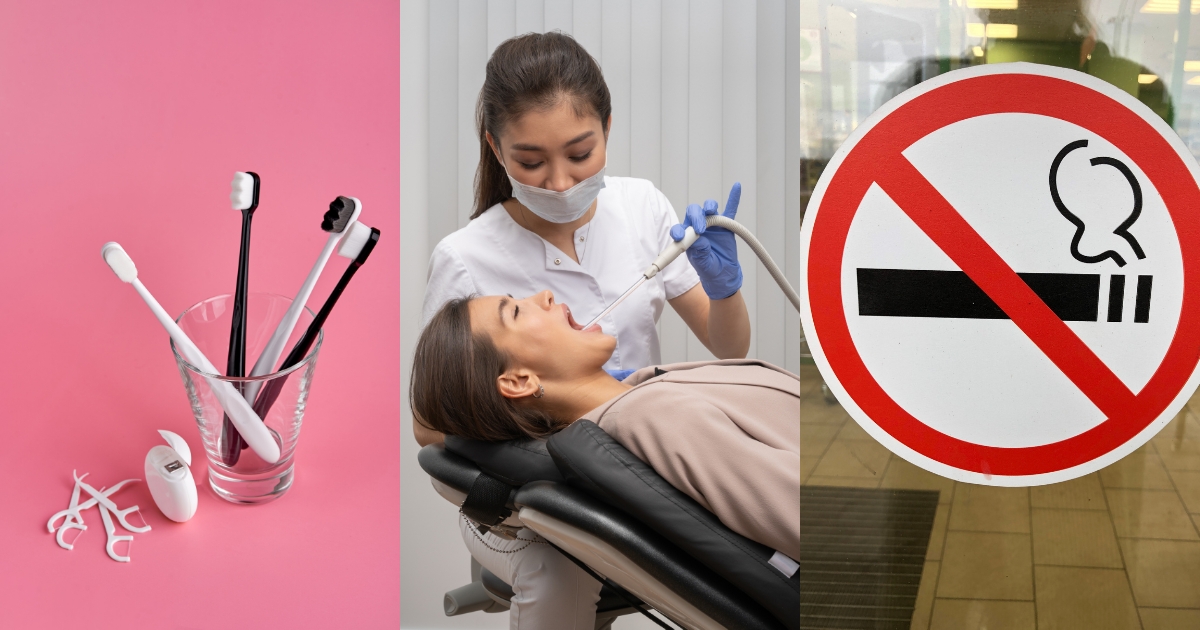
Dental implants are a game-changer for restoring smiles and confidence, but their care doesn’t end after placement. Keeping them healthy requires a proactive approach.
Peri-implantitis, a condition that causes inflammation around implants, can jeopardize their stability and longevity. Knowing how to care for your implants is the first step in ensuring they stay strong and functional for years to come.
By focusing on effective oral hygiene, healthy habits, and regular checkups, you can minimize the risk of complications. This blog dives into essential care tips to protect your implants and prevent peri-implantitis.
Whether you’re new to dental implants or seeking ways to improve your routine, these practical insights will help you maintain a confident and healthy smile.
What Is Peri-Implantitis?
Peri-implantitis is an inflammatory condition affecting the tissues around dental implants. It can lead to bone loss and, eventually, implant failure if left untreated. Identifying its causes and symptoms early is crucial to preventing serious complications.
- Poor oral hygiene is a leading cause, as it promotes plaque buildup around implants.
- Smoking and health issues like diabetes or gum disease increase the risk.
- Early signs include redness, swelling, bleeding gums, or discomfort near the implant.
- Persistent bad breath or a loose implant may indicate advanced stages.
Staying proactive with preventive care is the best defense against peri-implantitis.
The Role of Oral Hygiene in Prevention
Consistent oral hygiene is the foundation of healthy implants. Proper cleaning techniques reduce plaque and bacteria buildup that can cause inflammation.
- Use a soft-bristled toothbrush to clean implants gently without damaging surrounding tissue.
- Incorporate floss, water flossers, or interdental brushes to clean hard-to-reach areas.
- Choose non-abrasive toothpaste to avoid damaging implant surfaces.
- Rinse with an alcohol-free mouthwash to kill bacteria and soothe gums.
Commit to a daily hygiene routine to protect your implants and maintain long-term oral health.
Lifestyle Habits That Impact Implant Health
Lifestyle choices play a significant role in implant longevity. Small changes can have a big impact on oral health and implant success.
- Smoking weakens gums and reduces blood flow, increasing the risk of peri-implantitis.
- Alcohol can irritate gum tissue and slow healing after implant placement.
- A balanced diet with vitamins like calcium and vitamin D supports gum health.
- Hydration helps maintain saliva production, which protects implants from bacteria.
Adopting these habits ensures your implants stay secure and healthy.
Regular Checkups and Professional Cleanings
Routine visits to your periodontist are essential for implant maintenance. Professional monitoring prevents issues before they become major concerns.
- Schedule regular cleanings to remove plaque and tartar around implants.
- Ask your periodontist to check for signs of inflammation or bone loss.
- Follow personalized care plans if you have specific risks or symptoms.
- Contact your specialist immediately if you notice pain, swelling, or bleeding.
For those with dental implants in Colleyville, maintaining regular professional care ensures long-term success.
Managing Risks for High-Risk Patients
Certain medical conditions increase the risk of peri-implantitis, making tailored care plans vital. Patients with specific needs must remain diligent with their routines.
- Diabetes, autoimmune conditions, or gum disease require extra precautions.
- Follow any additional cleaning or medication protocols suggested by your periodontist.
- Attend more frequent checkups to monitor potential issues closely.
- Avoid habits like smoking, which exacerbate underlying risks.
Common Mistakes to Avoid
Many implant issues arise from neglect or improper care. Avoiding common mistakes ensures your implants remain healthy and functional for years.
- Skipping daily cleaning routines leads to plaque buildup and gum inflammation.
- Using hard brushes or abrasive products can damage implant surfaces and irritate gums.
- Overlooking minor signs like discomfort or swelling allows problems to worsen.
- Delaying professional care increases the risk of irreversible damage.
Taking care of dental implants means more than routine cleaning; it’s about adopting a lifestyle that promotes long-term health and success. From daily oral hygiene to avoiding harmful habits, these steps safeguard your implants and prevent peri-implantitis. Stay proactive with regular checkups, monitor your oral health, and address issues promptly. With the right care, your implants can provide a lifetime of confidence and functionality. Protect your investment and ensure your smile stays healthy and vibrant for years to come.