Call Us Today 817-737-7668

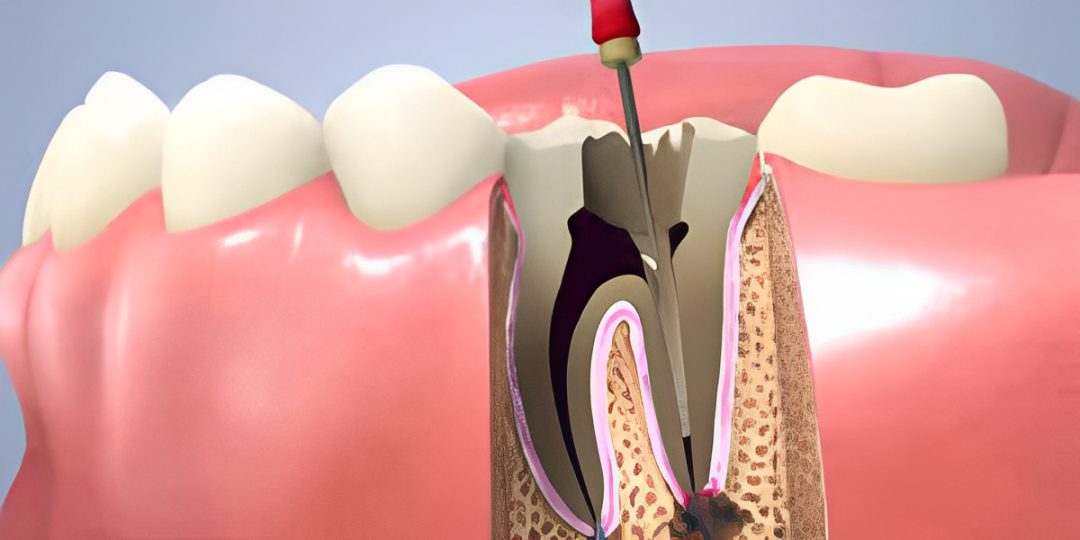
When it comes to dental health, prevention is always better than cure. A root canal infection can be daunting, but knowing how to prevent it from worsening can make a significant difference in your oral health.
Imagine facing discomfort that could escalate into a more serious issue—nobody wants that! By staying informed and proactive, you can safeguard your smile and well-being.
Let’s dive into some effective strategies to keep those infections at bay. From recognizing early warning signs to maintaining a solid oral hygiene routine, you’ll learn simple yet powerful ways to protect your teeth. Plus, we’ll discuss how your dietary choices and regular dental visits play a vital role in your recovery and overall health.
Ready to take charge of your dental care? Let’s explore these essential tips and ensure your root canal stays complication-free!
Spotting the Red Flags Early
Recognizing the early signs of a root canal infection is crucial for effective intervention. Ignoring symptoms can lead to complications and further discomfort. Here are key indicators to watch for:
- Persistent Pain: If you experience throbbing or sharp pain in the affected tooth, don’t ignore it. This can indicate an infection worsening beneath the surface.
- Sensitivity: Heightened sensitivity to hot or cold foods can suggest that the infection is spreading.
- Swelling: Look for swelling in the gums surrounding the infected tooth, as this can signal inflammation.
- Foul Odor: An unpleasant taste or odor in your mouth may indicate an underlying issue requiring immediate attention.
Regular check-ups with your endodontist in Dallas help catch these symptoms early, preventing further complications and promoting oral health.
Upholding Stellar Oral Hygiene
Maintaining a strong oral hygiene routine is vital for preventing infections and supporting healing after a root canal. Here’s how you can keep your mouth healthy:
- Brush Twice Daily: Use a soft-bristled toothbrush to clean your teeth gently, ensuring you reach all surfaces.
- Floss Daily: Flossing removes plaque and food particles from areas your brush can’t reach, reducing infection risk.
- Fluoride Toothpaste: Incorporate fluoride toothpaste into your routine to strengthen enamel and protect against decay.
- Mouthwash Usage: Use an antibacterial mouthwash to kill germs and freshen breath, further enhancing your oral hygiene.
These daily practices form the foundation for a healthy mouth, minimizing the chances of infection.
Smart Dietary Choices for Strong Teeth
What you eat significantly impacts your dental health, especially after a root canal. Make informed choices to support your healing process:
- Avoid Sugary Foods: High-sugar snacks can feed harmful bacteria and aggravate infections. Steer clear of candy, soda, and processed snacks.
- Stay Hydrated: Drinking water helps wash away food particles and bacteria, maintaining oral moisture.
- Nutrient-Rich Foods: Include foods rich in vitamins A, C, and D, as well as calcium, to promote healing. Think leafy greens, dairy products, and citrus fruits.
- Anti-Inflammatory Options: Incorporate foods like fatty fish and nuts, which can reduce inflammation and support recovery.
By choosing the right foods, you can foster a healthier environment for your teeth.
The Importance of Regular Check-Ups
Regular visits to your endodontist are essential for preventing complications after a root canal. Here’s why they matter:
- Professional Cleanings: Routine cleanings remove plaque and tartar buildup, reducing the risk of infection.
- Follow-Up Assessments: Your endodontist can monitor healing progress and identify any potential issues early.
- Custom Care Plans: Based on your individual needs, your endodontist can provide tailored advice for maintaining your oral health.
- Early Intervention: Catching problems early can prevent them from escalating into more severe conditions.
Make sure to keep your scheduled appointments for optimal oral health.
Managing Underlying Health Issues
Certain health conditions can influence your oral health. Managing these can significantly reduce your risk of infections:
- Diabetes: High blood sugar levels can impair healing and increase infection risk. Control your levels through diet, exercise, and medication.
- Heart Disease: Those with heart conditions must be vigilant about oral health, as infections can exacerbate heart issues.
- Autoimmune Disorders: These conditions can affect your body’s ability to fight infections. Stay on top of your health care plan.
By managing underlying conditions, you can protect your dental health and lower the risk of complications.
Care Tips After Your Root Canal
Proper post-treatment care is crucial for ensuring your recovery goes smoothly. Follow these guidelines:
- Avoid Hard Foods: Steer clear of crunchy or hard foods that can stress your healing tooth.
- Take Prescribed Medications: If your endodontist recommends antibiotics or pain relievers, take them as directed.
- Ice Packs for Swelling: Apply ice packs to the affected area for 15-20 minutes to reduce swelling and discomfort.
- Gentle Oral Care: Continue to brush and floss carefully around the treated area to maintain hygiene without causing irritation.
By following these tips, you can support your healing process effectively.
When to Consult Your Endodontist?
It’s essential to know when to seek help for worsening symptoms. Here’s what to consider:
- Persistent Pain: If discomfort continues beyond a few days, contact your endodontist.
- Increased Swelling: Swelling that doesn’t improve or worsens should prompt a visit.
- New Symptoms: Any new symptoms, like fever or a bad taste, warrant immediate attention.
Prepare a list of questions for your endodontist to ensure thorough care during your visit. Understanding your treatment options and ongoing care can help you navigate your dental health confidently.
Preventing root canal infections from worsening takes vigilance and proactive care. By recognizing early warning signs and maintaining good oral hygiene, you empower yourself to tackle potential issues head-on. Remember, your endodontist is your ally in this journey. Regular check-ups and a tailored care plan can help you enjoy a healthy smile for years to come. Don’t wait for symptoms to escalate—stay informed, stay proactive, and prioritize your dental health!