Call Us Today 817-737-7668

When you hear the term “root canal,” what comes to mind?
Often, people think of pain or discomfort, but the truth is far more positive! Root canal therapy plays a crucial role in preserving your natural teeth and maintaining your overall oral health. This treatment can save a tooth that might otherwise require extraction, allowing you to keep your smile intact and functional.
Understanding the importance of root canal therapy can help alleviate those fears. It’s not just about addressing pain; it’s about ensuring the long-term health of your mouth. By tackling infection or decay at its source, root canal therapy gives you a second chance at enjoying your natural teeth.
In this blog, we’ll explore the ins and outs of root canal treatment, why it matters, and how it can protect your dental health. So, if you’ve ever wondered how this procedure works or why it’s essential, you’re in the right place!
Let’s dive in and uncover the vital role of root canal therapy in preserving your smile.
Common Reasons for Root Canal Treatment
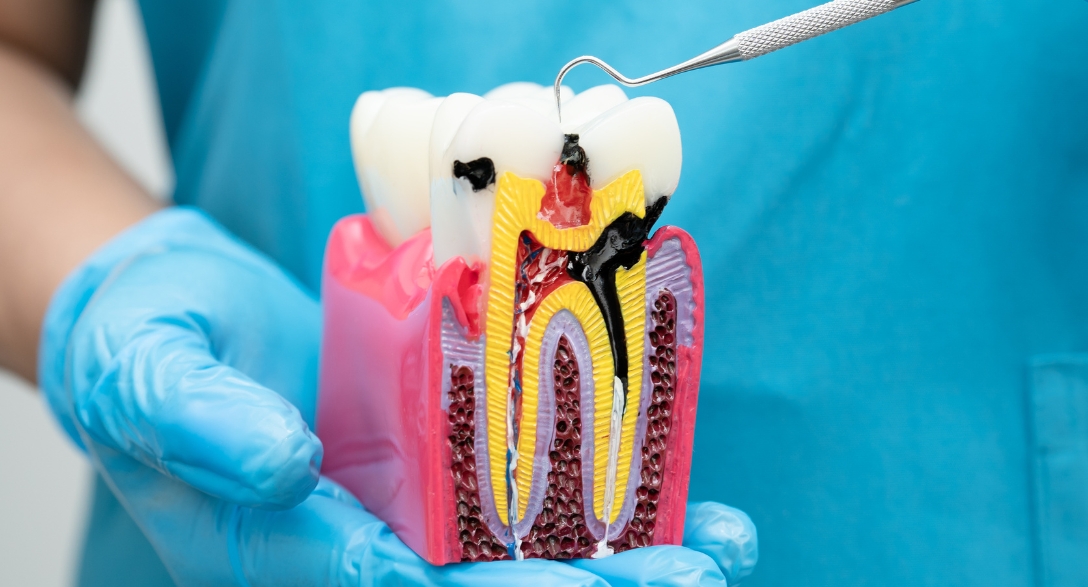
Root canal therapy addresses various dental issues, primarily stemming from infection or decay. Here’s a look at some common conditions that necessitate this procedure:
- Deep Decay: Severe cavities can penetrate the tooth, leading to pulp infection.
- Pulpitis: Inflammation of the pulp due to untreated decay or trauma can cause intense pain.
- Cracked or Fractured Teeth: A crack can allow bacteria to enter, compromising the tooth’s health.
- Abscess Formation: Infections can lead to pus-filled sacs at the root, causing swelling and pain.
Signs indicating the need for root canal treatment include persistent toothache, sensitivity to hot or cold, discoloration of the tooth, and swelling in the surrounding gums. If you experience any of these symptoms, consulting an endodontist in Mansfield can provide the clarity you need.
The Root Canal Procedure: Step by Step
Understanding the root canal procedure helps ease any apprehensions you might have. Here’s a detailed breakdown:
- Diagnosis: Your endodontist will conduct X-rays to assess the tooth and surrounding bone.
- Anesthesia: Local anesthesia ensures you remain comfortable throughout the procedure.
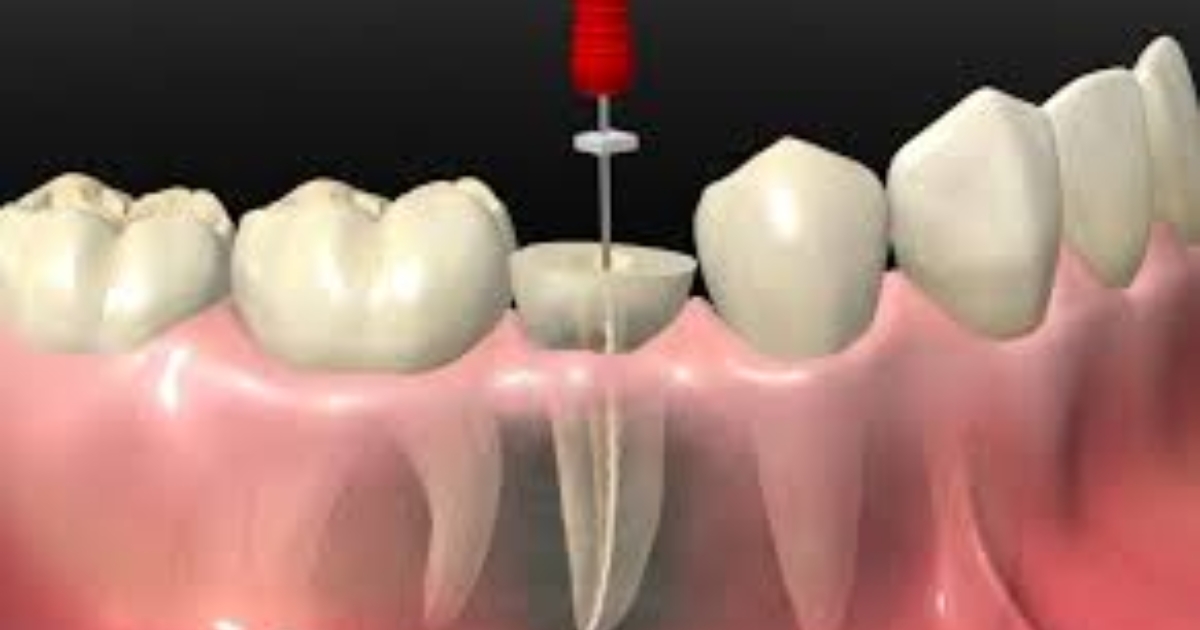
- Accessing the Pulp: The endodontist creates a small opening in the tooth to reach the pulp chamber.
- Cleaning and Shaping: The infected or damaged pulp is removed, and the space is cleaned and shaped for filling.
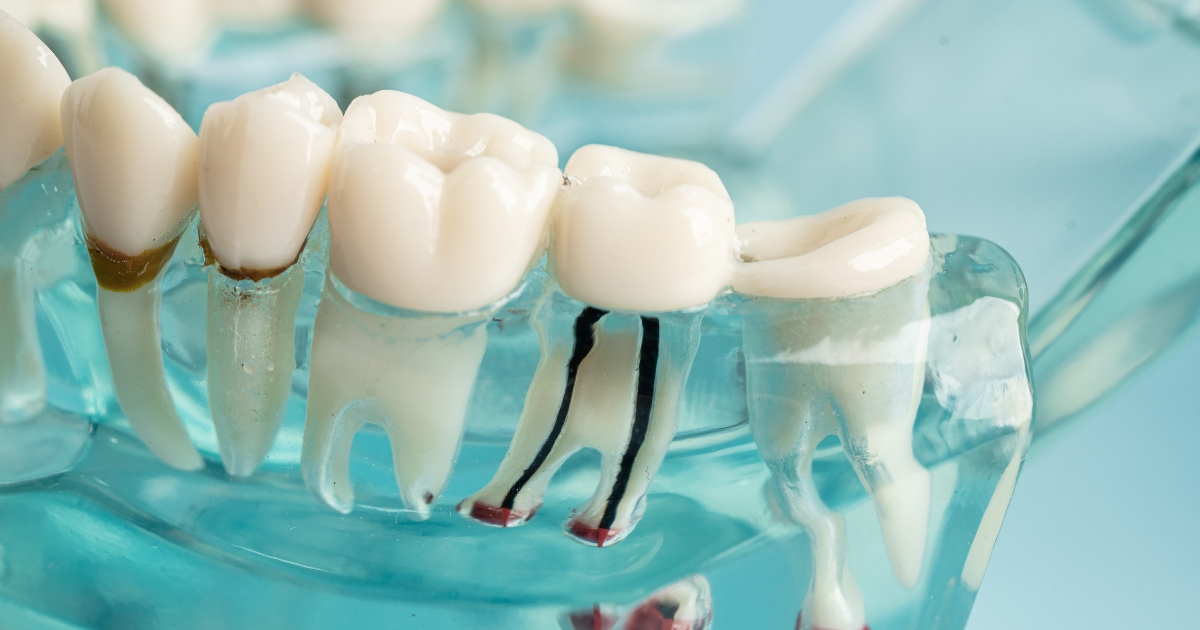
- Filling the Canal: The tooth is filled with a biocompatible material called gutta-percha to seal it.
- Restoration: Finally, the tooth is restored with a crown or filling to restore its function and appearance.
Patients can expect some pressure during the procedure, but significant pain is typically not part of the experience.
Benefits of Root Canal Therapy
Opting for root canal therapy offers numerous advantages compared to tooth extraction:
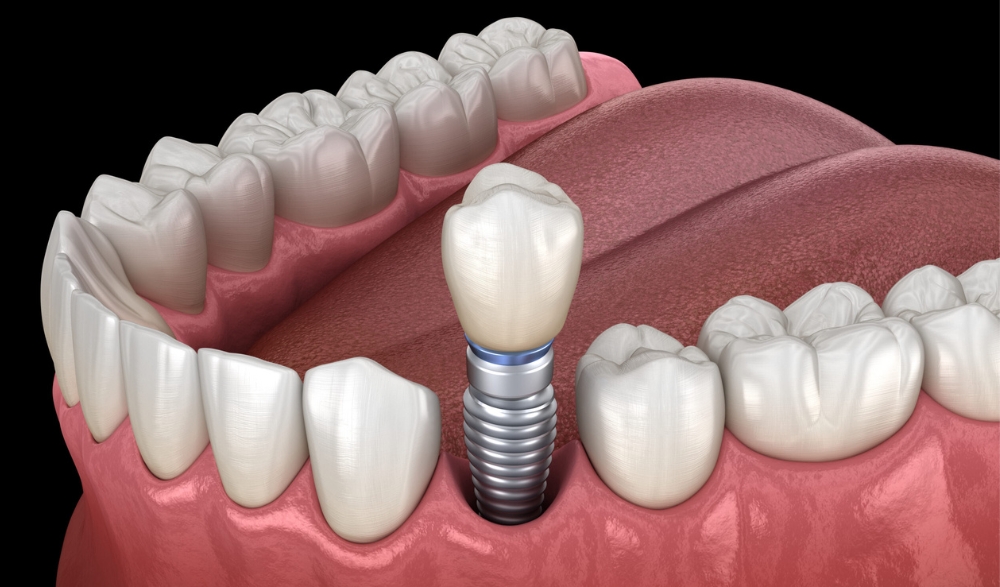
- Preservation of Natural Teeth: Keeping your natural teeth helps maintain your bite and alignment, supporting overall oral health.
- Improved Functionality: A treated tooth functions like a natural tooth, allowing you to chew and speak without issues.
- Prevention of Infection Spread: Treating the infected pulp prevents bacteria from spreading to adjacent teeth and tissues.
In summary, root canal therapy not only relieves pain but also protects your oral health in the long run.
Post-Treatment Care and Recovery
After undergoing a root canal, proper aftercare is crucial for optimal recovery. Here are essential tips:
- Follow Instructions: Adhere to your endodontist’s post-treatment guidelines for medication and care.
- Dietary Adjustments: Stick to soft foods for a few days to minimize discomfort. Avoid hard or crunchy foods.
- Pain Management: Over-the-counter pain relievers can help manage any discomfort.
- Oral Hygiene: Continue brushing and flossing gently around the treated area to maintain cleanliness.
Recovery timelines can vary but generally, patients can return to normal activities within a few days. Monitoring your healing process is vital for a smooth recovery.
Potential Complications and Concerns
While root canal therapy is generally safe, some complications can arise. It’s essential to be aware of potential issues:
- Persistent Pain: Some patients may experience ongoing discomfort after the procedure.
- Infection: Occasionally, an infection may persist or recur, necessitating further treatment.
If you encounter severe pain, swelling, or any unusual symptoms, contact your endodontist immediately for guidance.
Long-Term Outcomes of Root Canal Therapy
Root canal therapy can significantly enhance the lifespan of your teeth. Here’s what to expect:
- Longevity: With proper care, treated teeth can last a lifetime.
- Regular Check-Ups: Schedule follow-up visits to monitor the health of your treated tooth.
- Oral Hygiene: Maintain a consistent oral care routine to support overall dental health.
The outcomes of root canal therapy can be highly positive when patients commit to regular dental care and heed their endodontist’s advice.
Root canal therapy is more than just a dental procedure; it’s a vital investment in your long-term oral health. By addressing infections and preserving natural teeth, you can maintain your smile and functionality for years to come. Understanding what to expect during the process and how to care for your teeth afterward can ease anxiety and lead to better outcomes. If you have concerns about your dental health, don’t hesitate to reach out to an endodontist. Your smile deserves the best care!