Call Us Today 817-737-7668

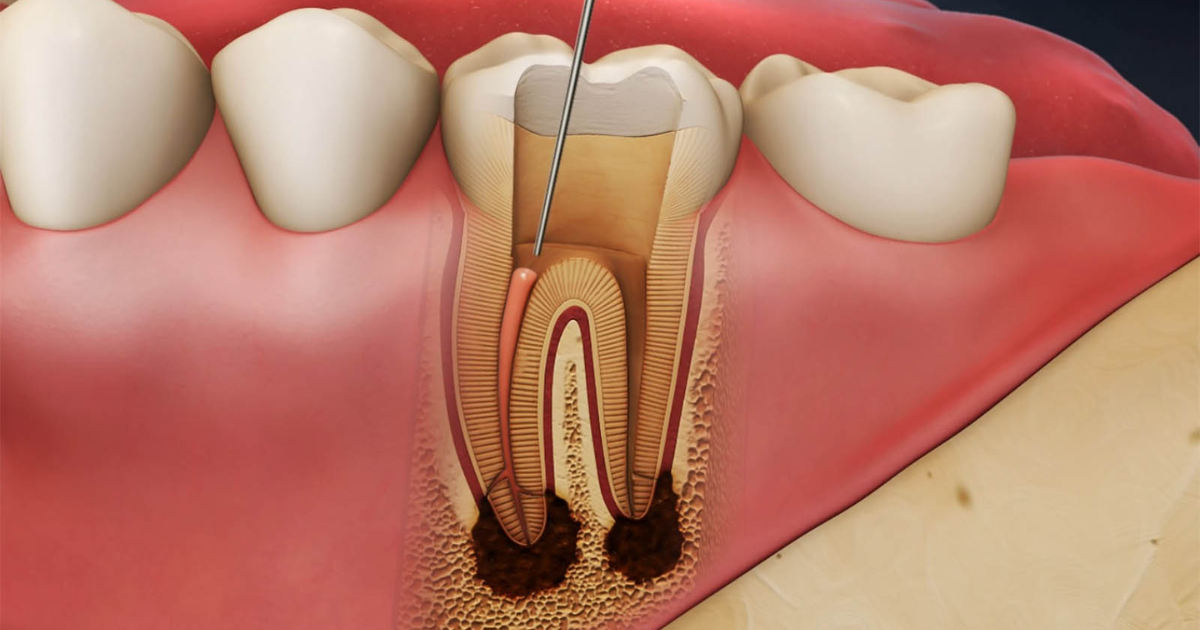
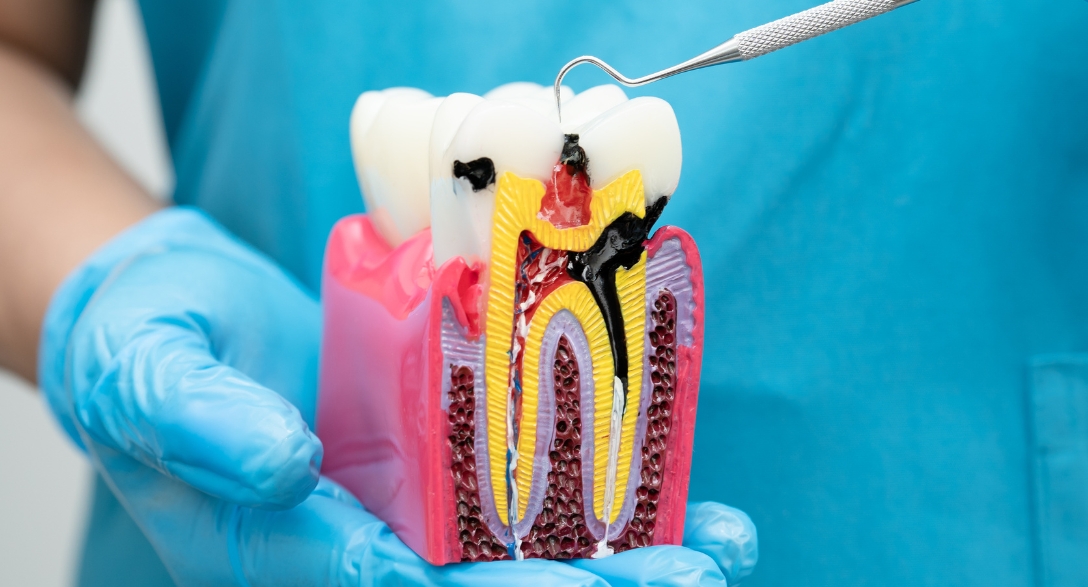
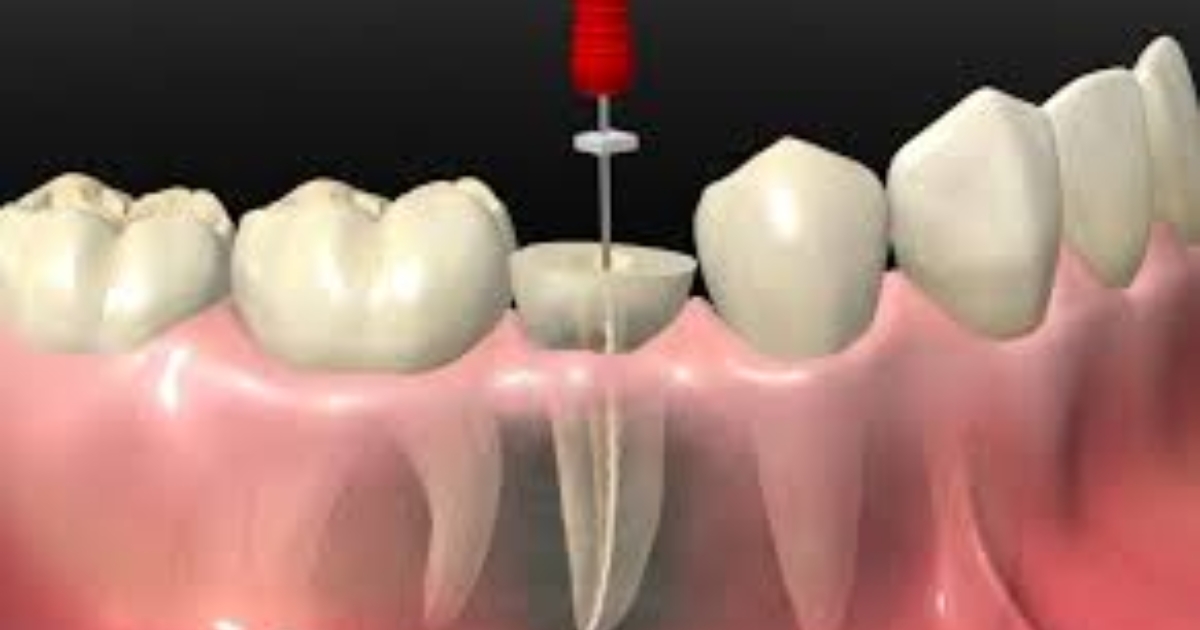
A root canal is a kind of dentistry intended to preserve a tooth that has developed an infection or severely decayed. It involves removing the tooth’s pulp and sealing it to prevent further infection. Although a root canal can rescue a tooth from extraction, it can sometimes lead to discoloration. This is because the tooth’s inner structure can change over time, resulting in a darker appearance. Internal bleaching is an effective method to address this discoloration. It offers a targeted approach to restore the tooth’s natural color, providing a significant improvement compared to other whitening methods.
Internal Bleaching & Discoloration
Read on Discoloration
Tooth discoloration can occur in various forms:
- Extrinsic Discoloration: This type of staining happens on the surface of the teeth, often caused by foods, beverages, or smoking.
- Intrinsic Discoloration: This occurs within the tooth structure, often due to trauma, aging, or treatment procedures like root canals.
Internal factors contribute significantly to tooth darkening after a root canal. When the tooth’s internal pulp is removed, it can lead to changes in the tooth’s color. The materials used in root canal treatment and the breakdown of these materials over time can also cause discoloration. This change can affect self-confidence, as a discolored tooth can be noticeable and impact the overall appearance of the smile.
The Internal Bleaching Process
- Assessment and Preparation: Your dentist will first evaluate the extent of discoloration and determine if internal bleaching is appropriate. This involves a detailed examination of the tooth and the surrounding area.
- Cleaning the Tooth: The dentist will clean the inside of the tooth to remove any old filling material or debris. This step ensures that the bleaching agent can work effectively.
- Applying the Bleaching Agent: A special bleaching agent is placed inside the tooth. This agent penetrates the tooth’s inner structure to break down the stains and lighten the color.
- Sealing and Monitoring: After the bleaching agent is applied, the tooth is sealed. The dentist will then monitor the results, which may require one or more follow-up appointments to achieve the desired shade.
- Final Restoration: Once the tooth reaches the desired color, it is permanently sealed, and any necessary restorations are completed to ensure the tooth’s strength and functionality.
Benefits of Internal Bleaching
Once you know the advantages of internal tooth bleaching in Aledo, you will understand its effectiveness.
- Targeted Whitening: Internal bleaching specifically addresses discoloration within the tooth, offering a more precise solution compared to external whitening methods that only work on surface stains.
- Long-Lasting Results: This procedure can provide long-lasting results, restoring the tooth to a more natural and uniform color.
- Improved Appearance: Internal bleaching can significantly enhance the appearance of a discolored tooth, improving overall smile aesthetics.
Potential Risks and Side Effects
- Sensitivity: Following the surgery, some patients may have transient tooth sensitivity. In most cases, this can be treated with some over-the-counter painkillers and by avoiding very hot or cold foods.
- Discomfort: Mild discomfort during or after the procedure is possible but generally subsides within a few days.
- Success Rate: While internal bleaching is effective for many patients, its success can vary based on the extent of discoloration and the tooth’s condition.
Aftercare and Maintenance
- Maintain Good Oral Hygiene: Brushing and flossing regularly are crucial to prevent new stains and maintain the results of bleaching.
- Avoid Staining Foods and Beverages: Limiting the consumption of coffee, tea, and red wine can aid in preventing new discoloration from developing.
- Follow-Up Appointments: Regular dental checkups are essential to monitor the tooth’s condition and ensure the long-term success of the bleaching treatment.
Is Internal Bleaching Right for You?
- Ideal Candidates: Internal bleaching in Aledo is suitable for patients who have already undergone a root canal and have experienced discoloration of the treated tooth. It is particularly effective for those with intrinsic stains that do not respond well to external whitening methods.
- Factors to Consider: Consider your overall dental health, the extent of discoloration, and any previous treatments. Seeking expert advice will assist in determining if internal bleaching is the best option for your needs.
- Consult a Dentist: See a skilled dentist or endodontist in Aledo to discuss whether internal bleaching is a good option for you and to receive individualized advice. They can offer professional advice and modify the course of treatment to fit your unique circumstances.
Internal bleaching offers a targeted and effective solution for discolored root canals, providing a way to restore the natural color of your tooth. By addressing internal discoloration, this procedure can improve the aesthetics of your smile and boost your confidence. If you’re dealing with a discolored tooth after a root canal, internal bleaching might be the ideal choice. To explore this option and receive expert care, consult with a qualified dentist. They can help you achieve a brighter, more natural-looking smile and maintain your oral health.