Call Us Today 817-737-7668

Root canal retreatment is a dental procedure aimed at fixing issues that arise after an initial root canal. For older adults, this topic is particularly relevant due to changes in dental health that come with aging.
As people get older, they may face unique challenges that affect their dental care, including complications from previous treatments. Understanding these special considerations helps older adults make informed decisions about their dental health and ensures they receive the most appropriate care.
Understanding Root Canal Retreatment
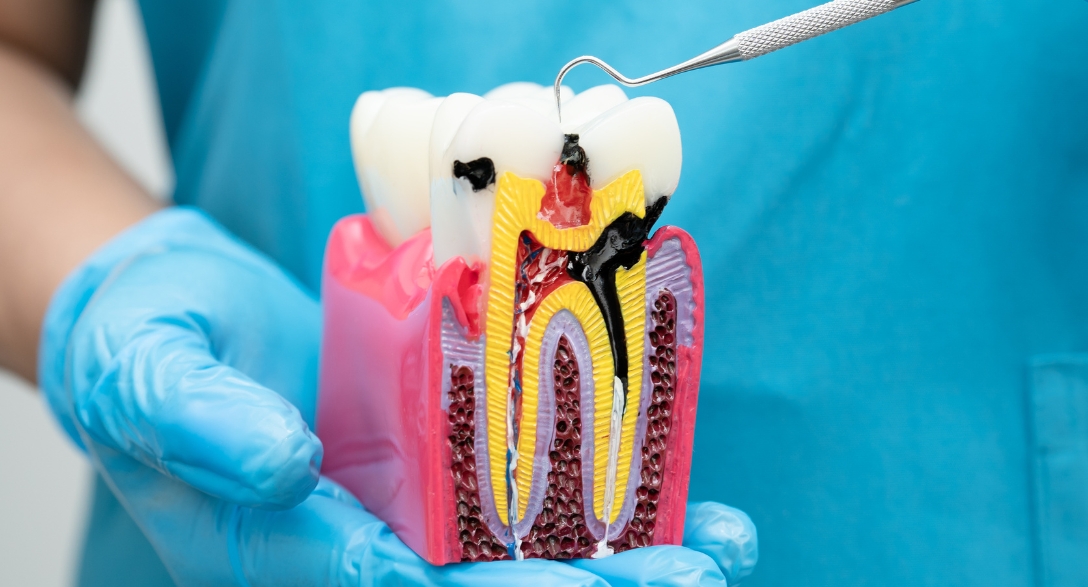
Root canal retreatment is performed when a previous root canal fails or complications arise. The procedure involves removing old filling material from a root canal, cleaning and disinfecting the canal again, and then refilling and sealing it.
Several reasons might necessitate retreatment. One common reason is the incomplete removal of infected tissue during the initial treatment, which can lead to persistent infection or inflammation.
Another reason could be the development of new decay around the treated tooth, often due to issues with the crown or restoration that was placed after the initial treatment. Additionally, a fracture in the tooth or its root can allow bacteria to re-enter the canal, leading to a need for retreatment.
Special Considerations for Older Adults
Aging and Dental Health
Aging brings several changes to dental health that can impact the success of root canal retreatment. As people age, their teeth and gums naturally undergo wear and tear. The tooth structure can become more brittle, making it more susceptible to fractures and damage.
Enamel, which protects the teeth, thins over time, and the gums may recede, exposing more of the tooth and increasing the risk of decay and sensitivity.
Moreover, older adults often experience decreased saliva production. Saliva is crucial for oral health as it helps to neutralize acids, wash away food particles, and provide essential minerals to strengthen the teeth.
Reduced saliva flow can lead to dry mouth, increasing the risk of cavities and complicating the healing process following a root canal retreatment. The compromised oral environment can make it more challenging to maintain the health of a tooth that has undergone retreatment.
Medical Conditions
Older adults frequently manage chronic health conditions that can affect root canal retreatment outcomes. Diabetes, for instance, can significantly impact dental health. High blood sugar levels can lead to slower healing times and increase the risk of infection, complicating the retreatment process.
It is crucial for individuals with diabetes to manage their condition effectively and work closely with their dentist to ensure proper care during and after the procedure.
Heart disease is another condition that requires special consideration. Patients with heart conditions may need to take antibiotics before dental procedures to prevent bacterial infections from spreading to the heart.
Additionally, medications used to manage heart disease, such as blood thinners, can affect the bleeding and healing process during and after retreatment. Coordination between the dentist and the patient’s cardiologist is essential to manage these risks.
Arthritis is another common condition in older adults that can impact dental care. It can make it difficult for patients to maintain oral hygiene or even attend regular dental visits.
Poor oral hygiene can lead to complications with root canal retreatment, as maintaining a clean environment is vital for the success of the procedure.
Medications
Older adults are often on multiple medications, and these can influence the outcome of root canal retreatment. For instance, xerostomia, or dry mouth, is a problem that several drugs can cause. Dry mouth reduces the natural cleansing action of saliva, increasing the risk of decay and complicating the treatment process. Patients may need to use artificial saliva or other products to mitigate this effect.
Certain medications, such as anticoagulants, can interfere with blood clotting and increase bleeding risks during dental procedures. If a patient is on blood thinners, his endodontist in Colleyville might need to adjust the medication regimen or take additional precautions to manage bleeding during retreatment.
Other medications might impact bone health or interact with anesthesia, requiring careful consideration and adjustments to treatment plans.
Bone Density
Reduced bone density is a common issue in older adults and can significantly affect root canal retreatment. As bone density decreases, the support structure for the teeth becomes less stable. This can impact the success of the retreatment, especially if the surrounding bone is weakened or if the tooth’s support is compromised.
Low bone density may also affect the healing process after retreatment. In order to stabilize the tooth and guarantee that any restorative work is properly integrated, the bone that surrounds it is essential. Weaker bone can lead to issues with the long-term stability of the treated tooth and may complicate the placement of crowns or other restorations.
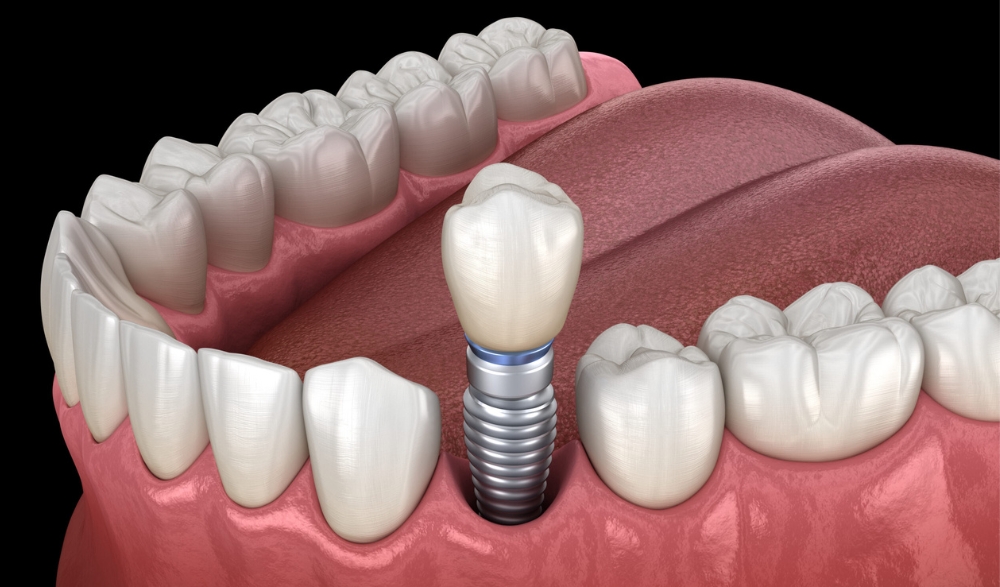
In some cases, if bone density is significantly reduced, alternative treatments such as extraction and implant placement might be considered. Implants require adequate bone support, so patients with low bone density might need additional procedures like bone grafting to ensure successful placement and integration of implants.
Treatment Options
Root canal retreatments in Colleyville involve several steps. The dentist will first use X-rays to evaluate the state of the tooth and surrounding tissues. This imaging helps to determine the extent of the problem and plan the retreatment process. The tooth is then numbed using local anesthesia to ensure comfort during the procedure.
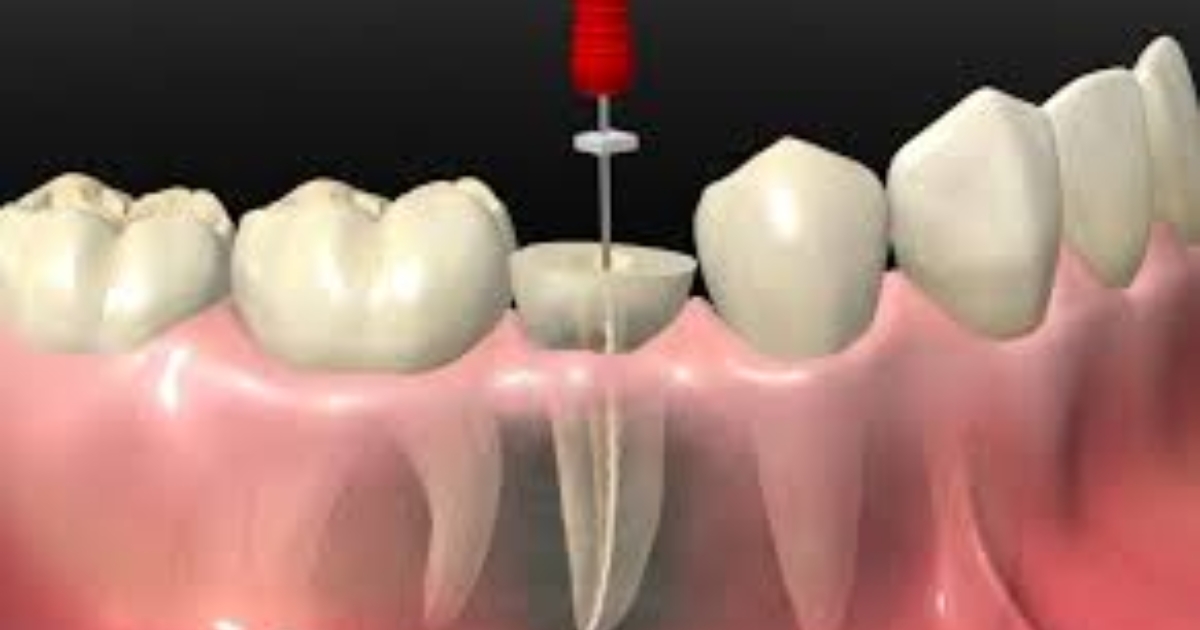
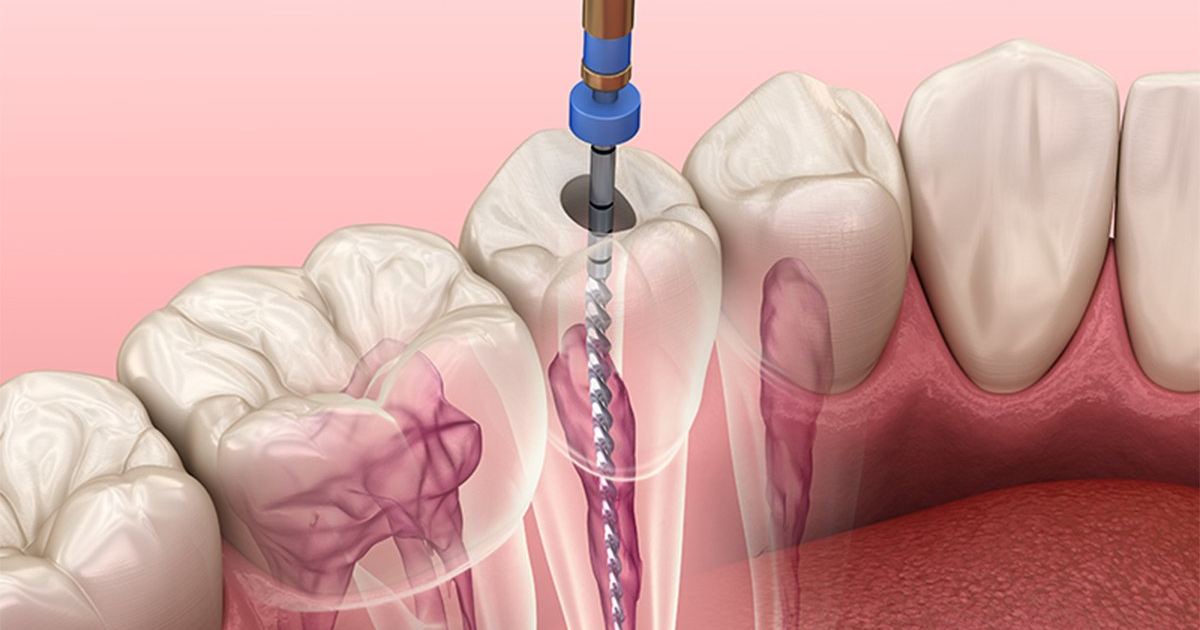
During the retreatment, the dentist will remove the old filling material from the previous root canal. They will next clean and disinfect the canal to get rid of any last bacteria. Special instruments may be used to shape the canal, making it easier to refill with new material.
Once cleaned, the canal is filled with a biocompatible material to seal it. Finally, the dentist will place a new crown or restoration on the tooth to restore its function and appearance.
In some cases, if retreatment is not viable, alternative treatments might be considered. These could include extraction of the affected tooth and replacement with an implant or bridge. The particular state of the tooth and the patient’s general health will determine the course of action.
Root canal retreatment is a valuable procedure for addressing issues that arise after an initial treatment, especially in older adults. Aging and various health factors can influence the success of the retreatment, making it essential to consider individual needs and conditions. Personalized dental care is crucial for older adults to ensure the best outcomes and maintain optimal oral health.