Call Us Today 817-737-7668

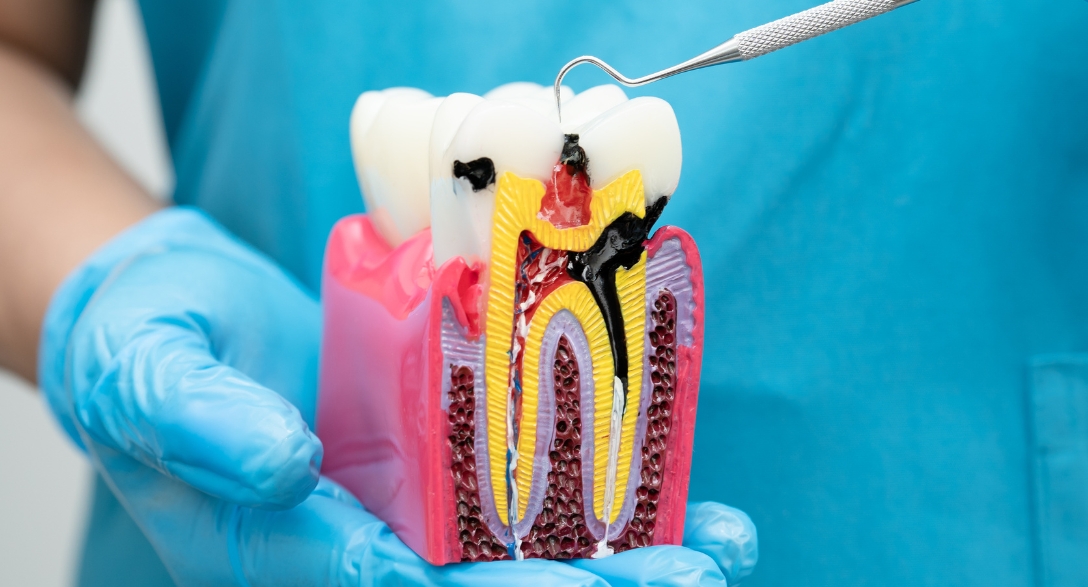
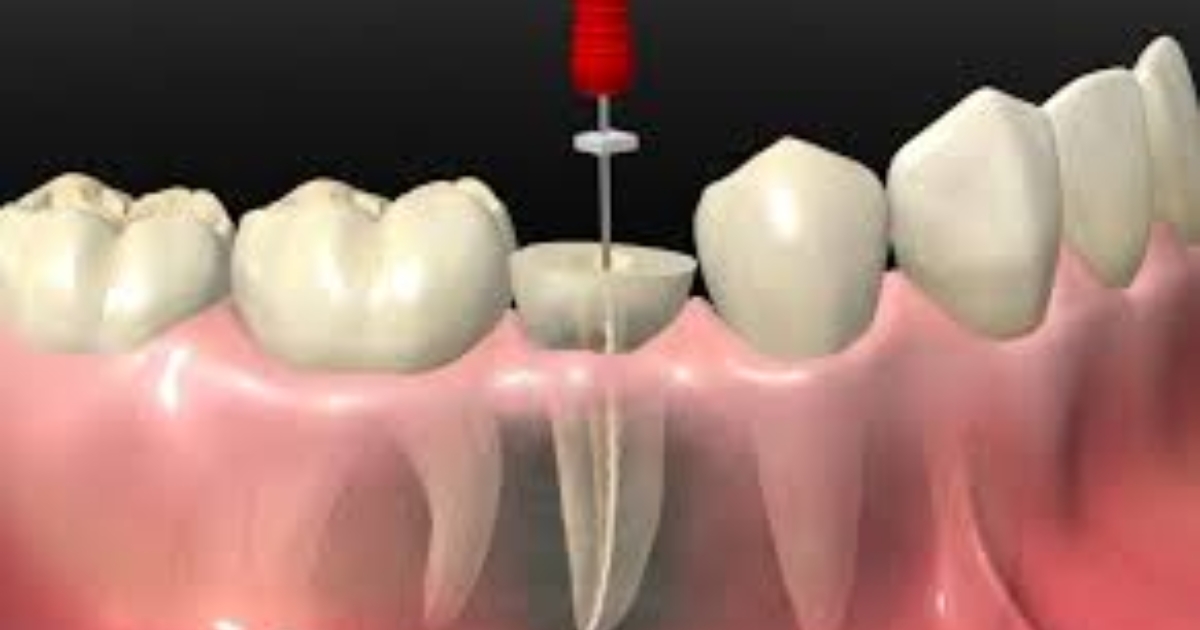
A root canal is a popular and very successful procedure designed to save a tooth that has been severely damaged or infected. However, there are cases where a previously treated tooth may require retreatment due to various factors. Understanding the signs that indicate your root canal may need retreatment is crucial to stop more issues from arising and guarantee the long-term health of your tooth.
Here’s a blog to help you recognize these warning signs. It will help you understand when it might be necessary to seek additional treatment to preserve your dental health.
Alert Signs That Your Root Canal May Require Retreatment: Things to Look Out for
1. Persistent Pain or Discomfort
- Ongoing Sensitivity: After a root canal, it’s normal to experience some mild discomfort as the tooth heals. However, if you continue to feel pain or sensitivity long after the procedure, especially when biting down or when exposed to hot or cold temperatures, it may indicate that the infection was not fully resolved or that the tooth has become reinfected.
- Throbbing Pain: Throbbing pain that persists over time is a strong indicator that something is wrong. This pain could be due to an incomplete removal of the infected pulp. It can also be caused due to a crack in the tooth, or a new infection in the root.
2. Swelling and Tenderness
- Localized Swelling: Swelling around the treated tooth, gums, or the face can be a sign that the infection has returned. This swelling may be accompanied by tenderness and redness in the area. It indicates that the body’s immune response is trying to fight off the infection.
- Formation of a Pimple or Abscess: If you notice a small bump or pimple-like formation on the gum near the treated tooth, this could be an abscess. Abscesses are a clear sign of infection and should be addressed immediately. It is crucial to prevent the spread of bacteria to other parts of the mouth or body.
3. Discoloration of the Tooth
- Darkening of the Tooth: One of the less obvious signs that your root canal may need retreatment is the discoloration of the treated tooth. If the tooth begins to darken or develop a grayish tint, it could indicate internal damage or decay.
- Yellowing of the Tooth: While slight yellowing might be normal, significant changes in color can signal compromised tooth’s structure. This is possibly due to a new infection or breakdown of the restorative materials used in the initial root canal.
4. Recurring Infections
- Repeated Need for Antibiotics: If you’ve had to take antibiotics multiple times since your root canal, this is a strong indicator that the infection is recurring. Antibiotics can temporarily alleviate symptoms, but they do not address the root cause of the problem, which may require retreatment.
- Frequent Inflammation: Chronic inflammation around the treated tooth, characterized by recurring bouts of pain and swelling, suggests that the initial root canal treatment did not fully eradicate the infection. This could be due to missed canals, complex root anatomy, or a compromised seal.
5. Loose Tooth
- Mobility of the Tooth: A tooth that feels loose or unstable after a root canal is a concerning sign. This could indicate bone loss around the tooth, a failing restoration, or an underlying infection that has weakened the tooth’s support structure.
- Pain While Chewing: If the tooth feels loose or painful when chewing, it might be due to a cracked tooth, a compromised filling, or an infection that has spread to the surrounding bone or periodontal ligaments.
6. Cracked or Damaged Restoration
- Broken Crown or Filling: The restoration placed on a tooth after a root canal, such as a crown or filling, is essential for protecting the tooth. If this restoration becomes cracked, chipped, or falls off, the tooth is at risk of reinfection. A damaged restoration allows bacteria to re-enter the tooth, leading to potential complications.
- Poor Fit of the Restoration: Even if the restoration remains intact, a poor fit can cause issues. If the crown or filling does not fit properly, it can lead to gaps where bacteria can accumulate, increasing the risk of infection and the need for retreatment.
7. Sinus Issues
- Persistent Sinus Pressure or Pain: Interestingly, issues with a root canal-treated tooth can sometimes manifest as sinus problems. If you experience persistent sinus pressure, pain, or a sensation of fullness in the sinus area that doesn’t improve with standard treatments, it could be related to a problem with an upper molar or premolar that was previously treated with a root canal.
- Sinus Drainage or Infection: In some cases, an infection in a root canal-treated tooth can spread to the sinus cavity, leading to chronic sinus infections or unusual drainage. This is a serious issue that requires prompt attention and likely retreatment of the root canal.
8. Foul Taste or Odor
- Bad Taste in the Mouth: A persistent bad taste in your mouth, even after brushing and rinsing, can be a sign of a recurring infection in the treated tooth. This taste is often due to the presence of pus or other byproducts of infection within the root canals.
- Unpleasant Odor: Similarly, a foul odor that doesn’t go away with regular oral hygiene could indicate that the tooth is reinfected. This odor is typically caused by bacteria and decaying tissue inside the tooth.
When to Consider Root Canal Retreatments?
If you experience any of the signs mentioned above, it may be time to consider root canal retreatments in Denton. Retreatment involves reopening the tooth, removing the previous filling materials, and thoroughly cleaning out any remaining or new infection. The canals are then reshaped, disinfected, and sealed again to protect the tooth. This process aims to correct any issues from the initial treatment and ensure the tooth is restored to full health.
Root canal retreatment can be a crucial step in preserving your dental health when a previous root canal fails to fully resolve infection or other issues. Recognizing the signs that indicate a need for retreatment, such as persistent pain, swelling, discoloration, or recurring infections, is essential for timely intervention.
Consulting with a suitable endodontist in Denton will provide you with the expertise and care needed to address these concerns and restore your tooth to optimal health. With proper treatment, you can prevent further complications, alleviate discomfort, and maintain a healthy, functional tooth for years to come.