
Call Us Today 817-737-7668

Imagine a world where a damaged tooth can heal itself naturally, avoiding the need for painful procedures. Stem cell therapy for dental pulp regeneration is bringing us closer to this reality.
This innovative treatment is transforming how we approach dental health, offering a way to restore teeth from the inside out. In the past, severe dental issues often led to root canals or even extractions. Now, stem cell therapy promises to save teeth by regenerating the damaged or diseased pulp tissue.
We shall discuss dental pulp in this blog, as well as the operation of stem cell therapy and its growing significance in the field of dentistry. We will also talk about the advantages and difficulties of this innovative therapy. By the end, you will understand how stem cell therapy could change the future of dental care and what it means for you.
Understanding Dental Pulp
Definition
The dental pulp is the soft tissue found in the center of a tooth. This tissue contains nerves, blood vessels, and connective tissue, which are vital for keeping the tooth alive and healthy. The pulp is responsible for the tooth’s sensitivity to temperature and pain, signaling when something is wrong.
Structure
Tooth anatomy is more complex than it seems. The pulp is housed in a chamber at the center of the tooth, known as the pulp chamber. This chamber extends down through the roots in narrow canals, called root canals. These canals are pathways through which the nerves and blood vessels reach the tooth, connecting it to the body’s circulatory system.
Function
The dental pulp plays a crucial role in maintaining tooth health. It provides nutrients to the tooth, keeping it strong and resilient. The nerves in the pulp also serve as a warning system, alerting you to potential issues through pain or discomfort.
Without healthy pulp, a tooth loses its vitality, making it more prone to damage and decay. Understanding the role of dental pulp helps us appreciate why preserving it through treatments like stem cell therapy is so important.
Stem Cell Therapy Basics
Definition
Stem cells are unique cells that have the capacity to differentiate into many bodily cell types. They can replicate themselves and transform into cells that form tissues and organs. There are different types of stem cells: embryonic stem cells, adult stem cells, and induced pluripotent stem cells (iPSCs). Each type has its advantages and potential uses in medicine.
Mechanism
The remarkable thing about stem cells is their versatility. When introduced to a specific environment, such as damaged dental pulp, they can become the type of cell needed to repair and regenerate that tissue. This ability to become various cell types makes stem cells incredibly valuable in regenerative medicine, including dental applications.
Applications
Leukemia and several tumors are already treated using stem cell therapy, which involves replacing damaged stem cells with healthy ones through bone marrow transplants.
In the dental field, researchers are exploring how stem cells can regenerate not just dental pulp, but also other parts of the tooth, such as dentin and enamel. This emerging field holds great promise for less invasive and more effective dental treatments in the future.
Stem Cell Therapy for Dental Pulp Regeneration
Concept
The core idea behind using stem cells for dental pulp regeneration is to harness the body’s natural ability to heal itself. When a tooth’s pulp is damaged due to decay, trauma, or infection, traditional treatments like root canals remove the pulp and fill the space with inert materials.
While this approach saves the tooth, it also leaves it without its natural defense and nourishment system. On the other side, stem cell therapy attempts to regenerate the injured pulp in order to restore the tooth’s life.
Procedure
The process of pulp regeneration through stem cell therapy involves several meticulous steps. Each step is designed to ensure that the pulp is restored and functions as it naturally would.
Preparation
Before the therapy begins, the affected tooth is carefully assessed. Dentists or endodontists, particularly those in specialized practices like pulp regeneration in Burleson, examine the extent of the pulp damage. Imaging methods like X-rays and 3D scans are utilized to provide an accurate image of the state of the tooth.
This preparation phase is crucial because it determines whether the tooth is a suitable candidate for stem cell therapy. If the damage is too extensive or the tooth is beyond repair, other treatments may be recommended.
Stem Cell Sourcing
One of the most fascinating aspects of stem cell therapy is how the stem cells are sourced. In the case of dental treatments, stem cells can be harvested from various parts of the body.
The dental pulp itself contains stem cells, known as dental pulp stem cells (DPSCs). These can be extracted from the patient’s teeth, particularly wisdom teeth or baby teeth.
Alternatively, stem cells can be sourced from bone marrow or even from donor tissues. It is usually desired to use the patient’s cells in order to lower the chance of problems and rejection.
Implementation
Once the stem cells are ready, the actual treatment can begin. In order to get rid of any bacteria or debris, a dentist or endodontist in Burleson begins by cleaning and sanitizing the pulp chamber and root canals. This is a critical step because it ensures a sterile environment for the new cells to thrive.
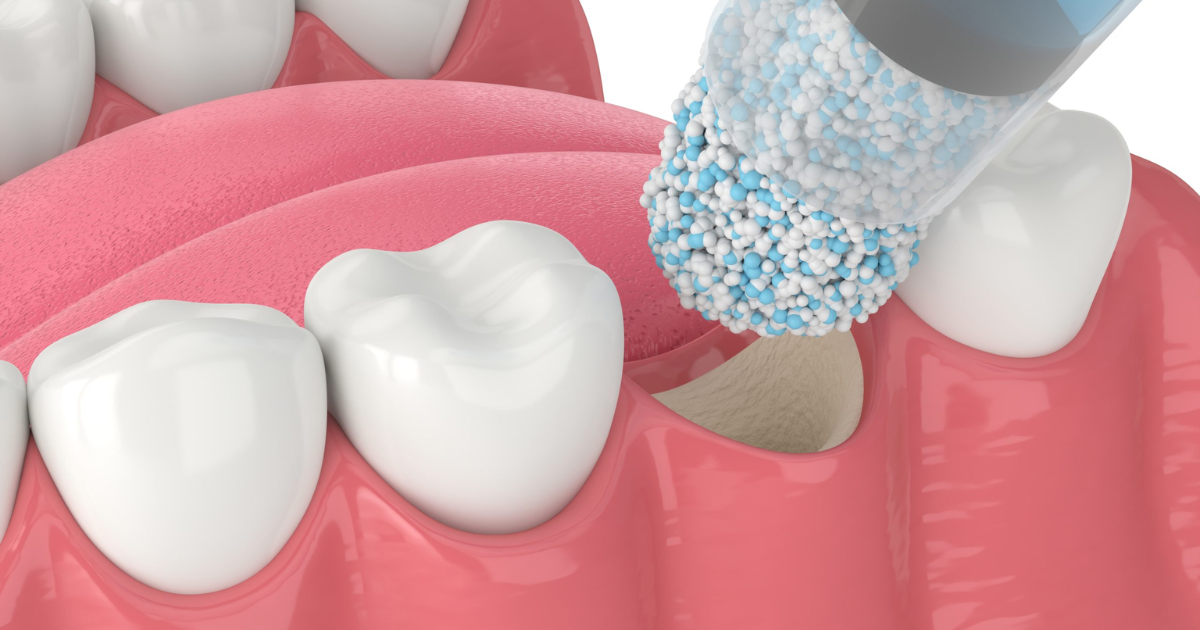
Next, the stem cells are introduced into the cleaned pulp chamber. They may be combined with a scaffold material that helps guide the growth of new tissue. The scaffold provides structure and releases signals that encourage the stem cells to differentiate into pulp tissue.
Outcomes
The results of stem cell therapy for pulp regeneration can be remarkable. Over time, the introduced stem cells begin to differentiate into new pulp cells. These cells integrate with the existing tissue, effectively repairing and regenerating the damaged area. The newly formed pulp continues to provide the tooth with nutrients, keeping it alive and functional.
Many times, when the tooth’s natural defenses are restored, patients feel relief from pain and sensitivity. Additionally, because the tooth’s root canal system remains intact and functional, the risk of future infections is reduced.
While still considered an emerging treatment, early outcomes of stem cell therapy for dental pulp regeneration are promising. Positive outcomes from studies and clinical trials have been observed, with many patients reporting notable increases in tooth vitality and general oral health. As the field advances, we can expect even more refined techniques and better success rates.
Advantages and Challenges
Benefits
Stem cell therapy for dental pulp regeneration offers several compelling advantages. One of the most significant benefits is tooth preservation. Instead of relying on synthetic materials to fill the tooth, stem cells regenerate the natural pulp, preserving the tooth’s vitality.
This approach also promotes natural healing, reducing the likelihood of future complications. Patients who undergo this therapy often report less pain and discomfort compared to traditional treatments.
Moreover, there is less chance of rejection or unfavorable reactions because the therapy makes use of the patient’s cells. Over time, this could lead to healthier teeth that require less invasive treatments in the future.
Challenges
While the benefits are clear, there are also challenges to consider. Particularly in the realm of dentistry, stem cell therapy is still relatively young. The cost of the procedure can be high. However, as research progresses and technology becomes more accessible, these challenges are likely to diminish.
A major advancement in dental care is stem cell therapy, which provides a natural means of repairing damaged teeth. This novel technique may be able to save teeth that would normally need to be extracted or severely repaired by regenerating the dental pulp. As research continues and the therapy becomes more widely available, it could revolutionize how we approach dental health. The future of dentistry is here, and it is rooted in the power of stem cells.