Call Us Today 817-737-7668

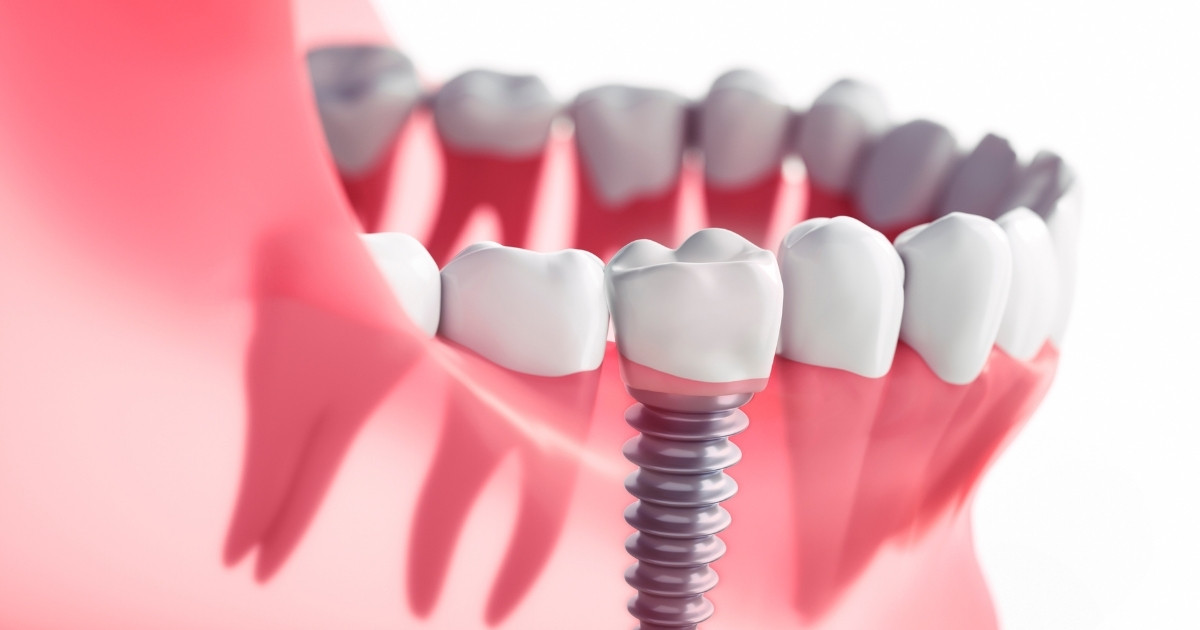
A dental implant is a permanent solution for missing teeth. It replaces the tooth root with a titanium post. The implant fuses with the jawbone, providing a strong foundation for a replacement tooth.
People choose implants over dentures and bridges due to their durability and natural appearance. Unlike dentures, implants do not slip or require adhesives. They also prevent bone loss, which occurs when teeth are missing for a long time.
The implant process takes several months but offers long-lasting results. Healing is crucial for a stable implant. Understanding the steps helps set realistic expectations. This guide explains the procedure in detail.
What Are Dental Implants and How Do They Work?
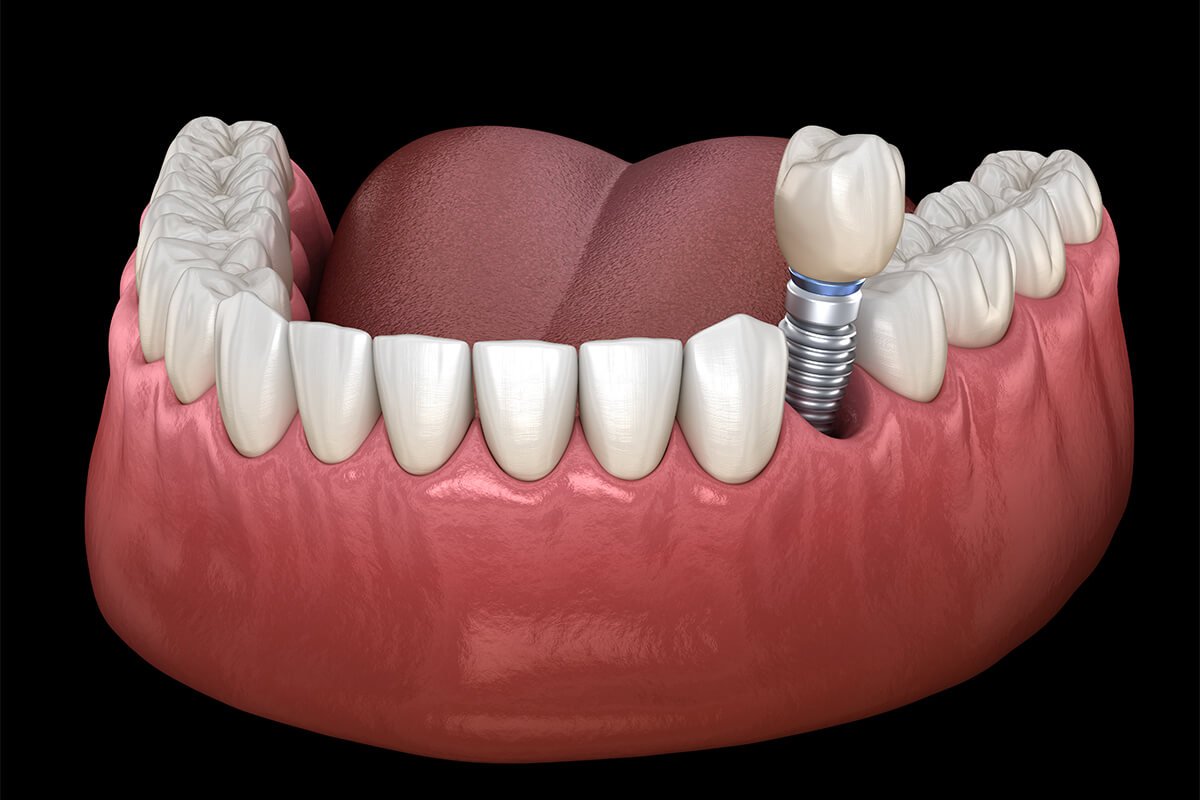
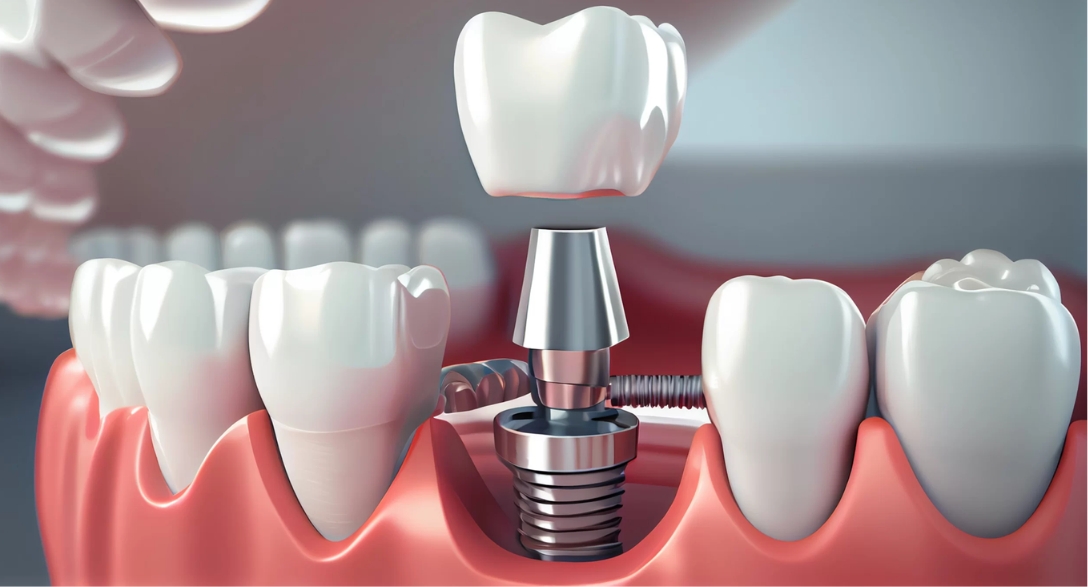
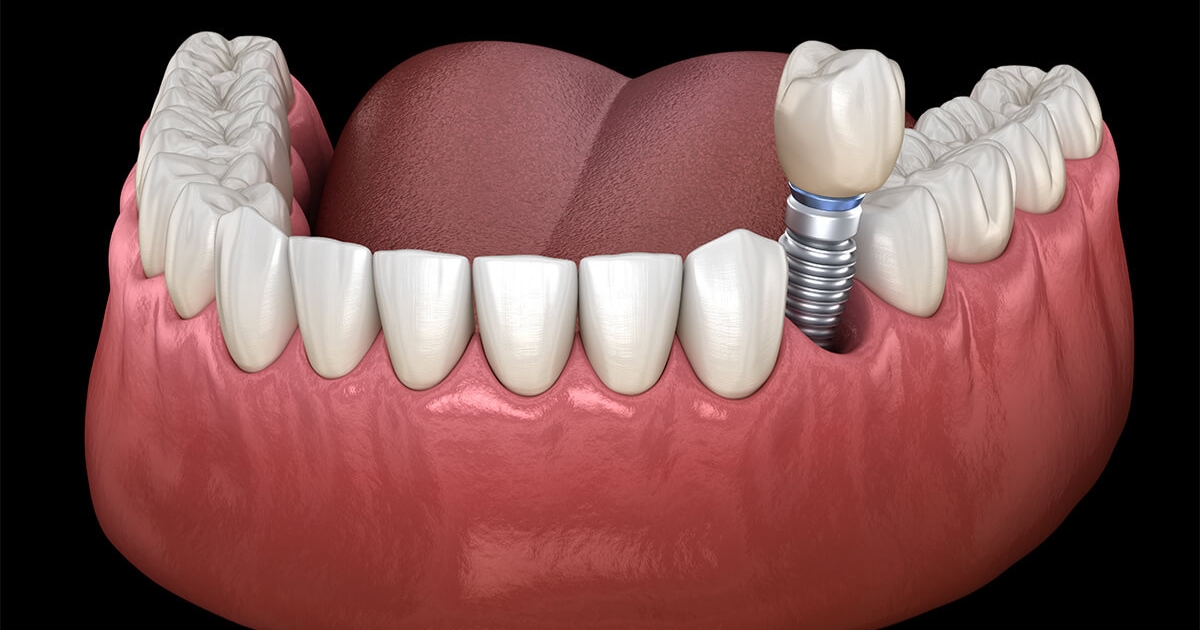
A dental implant consists of three parts: the implant post, the abutment, and the crown.
- Implant Post: A titanium screw inserted into the jawbone. It acts as a tooth root.
- Abutment: A connector that links the implant to the crown.
- Crown: A custom-made artificial tooth that looks and functions like a real tooth.
Implants mimic natural teeth by integrating with the jawbone through osseointegration. This makes them strong and stable. Unlike dentures, implants do not shift while eating or speaking.
The material used in dental implants Frisco is biocompatible. This means the body does not reject it. Over time, the implant becomes a natural part of the jaw.
Dental implants also preserve bone density. When a tooth is missing, the jawbone deteriorates. Implants stimulate the bone, preventing this loss. This is why they are the best long-term solution for missing teeth.
Steps for Getting Dental Implants
Getting an implant is a multi-step process that requires careful planning and healing time. Each stage is crucial in ensuring the implant is secure, functional, and long-lasting. Below is a detailed breakdown of the process.
Step 1: Initial Consultation and Assessment
The first step is to visit a qualified dentist or oral surgeon for a complete evaluation. This step determines whether you are a suitable candidate for a dental implant.
- The dentist conducts a comprehensive oral examination.
- X-rays or 3D scans assess the condition of your jawbone.
- A review of your medical history ensures no conditions could affect healing.
- Bone density, gum health, and overall oral health are checked.
- Patients with insufficient bone may require bone grafting before implant placement.
- If gum disease is present, it must be treated before proceeding.
Step 2: Preparatory Procedures (If Needed)
Some patients require additional procedures before the implant placement. These include tooth extractions or bone grafting.
- Tooth Extraction: If the damaged or decayed tooth is still present, it must be removed.
- Bone Grafting: A bone graft is needed if the jawbone lacks enough density. Bone material is added to strengthen the area where the implant will be placed.
- Healing Time: Bone grafting can take several weeks or months to heal before the implant procedure fully.
These steps ensure a strong foundation for the implant, increasing the chances of long-term success.
Step 3: Implant Placement Surgery
Once the jawbone is ready, the implant post is placed surgically. This is the most critical step in the process.
- Anesthesia: The dentist administers local anesthesia or sedation to ensure a painless procedure.
- Incision and Drilling: A small incision is made in the gum to expose the jawbone. A special drill creates space for the titanium post.
- Implant Insertion: The dentist carefully places the implant post into the bone.
- Stitching and Healing: The gum is stitched back, and healing begins.
After the surgery, mild swelling and discomfort are normal. Pain relievers and antibiotics may be prescribed to prevent infection. Patients must follow post-surgery care instructions for proper healing.
Step 4: Osseointegration – The Healing Process
Osseointegration is the process where the jawbone fuses with the dental implants. This step is crucial for long-term stability.
- The healing process typically takes 3 to 6 months.
- The bone grows around the implant, making it a permanent part of the jaw.
- Smoking, poor oral hygiene, or medical conditions can slow healing.
- Patients should eat soft foods and avoid putting pressure on the implant area.
- Regular checkups ensure the implant is healing properly.
Once osseointegration is complete, the implant is ready for the next step.
Step 5: Abutment Placement
After the implant has fused with the bone, an abutment is attached. The abutment serves as a connector between the implant and the crown.
- The dentist makes a small incision to expose the implant.
- The abutment is placed on top of the implant.
- Healing time varies, but the gums usually heal within two to three weeks.
The abutment must be properly secured before the final crown is placed.
Step 6: Placing the Permanent Crown
The last step is placing the artificial tooth, or crown, onto the abutment. This restores the appearance and function of the missing tooth.
- The dentist takes impressions to create a custom crown that matches the natural teeth.
- The patient chooses between a fixed or removable crown.
- Fixed crowns are permanently attached and do not need removal.
- Removable crowns can be taken out for cleaning.
- The final crown is securely attached and adjusted for comfort.
After this step, the implant looks and functions like a natural tooth.
Step 7: Post-Implant Care & Maintenance
Proper care is essential for the longevity of dental implants. With good hygiene, implants can last a lifetime.
- Daily Cleaning: Brush and floss around the implant to prevent plaque buildup.
- Avoid Hard Foods: Chewing on hard items like ice or hard candy can damage the crown.
- Regular Dental Visits: Routine checkups help detect and prevent complications.
- Quit Smoking: Smoking increases the risk of implant failure.
With proper care, an implant provides a permanent and reliable solution for missing teeth.
The implant process takes time, but the results are worth it. Each step is key in ensuring a strong, healthy, natural-looking replacement tooth. If you are considering an implant, consult a specialist for a personalized evaluation.
Who Is a Good Candidate for Dental Implants?
Not everyone qualifies for dental implants. Good candidates have healthy gums and enough bone to support the implant.
- Bone Density: Strong jawbones hold the implant securely.
- Gum Health: No active gum disease should be present.
- Lifestyle Habits: Non-smokers heal faster and have better success rates.
- Medical Conditions: Diabetes and heart disease may slow healing.
Some patients need additional procedures before getting an implant. Bone grafting strengthens weak jawbones. A sinus lift may be required for upper jaw implants.
Getting a dental implant involves multiple steps but offers a permanent solution for missing teeth. The process includes consultation, surgery, healing, and crown placement.
Unlike dentures, implants are stable, durable, and prevent bone loss. With proper care, they can last a lifetime.
If you are considering dental implants, consult our specialists. A professional evaluation determines if you are a good candidate. Investing in dental health improves confidence and quality of life.