Call Us Today 817-737-7668

Toothaches can create hindrances in your health without invitation. It comes with acute pain, tenderness, and swelling. Non-surgical root canal treatments become the savior when infection hits teeth. Forgetting teeth troubles significantly creates severe pain and everlasting harm. Decay or trauma spreads to the pulp.
A dentist suggests root canal therapy. A difference in complexity makes surgical and non-surgical root canal treatments available.
Surgical procedures require incisions. On the other hand, non-surgical ones are minimal in invasion.
What is Non-Surgical Root Canal Treatment?
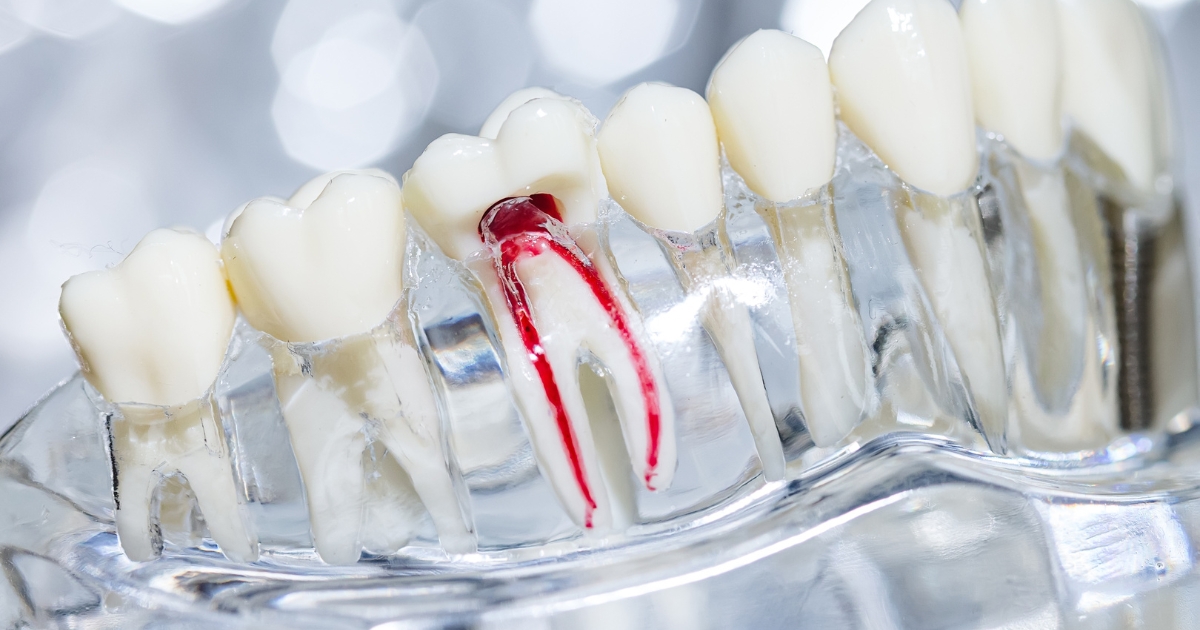
Non-surgical root canal treatment, or endodontic therapy, removes infected pulp within the tooth. Decaying, cracking, or repeated procedures leave the pulp open to bacteria. This leads to intense pain, inflammation, and infection.
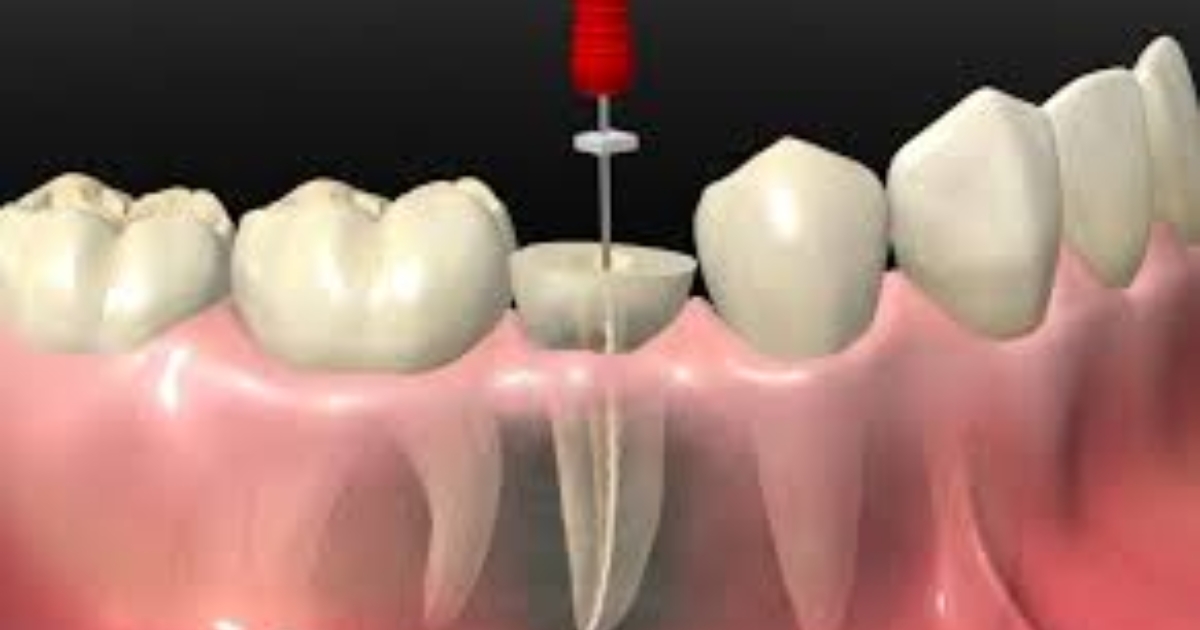
A professional dentist cleans infected canals, disinfects them, and seals them against reinfection. The process involves anesthesia, access hole drilling, pulp removal, canal shaping, and gutta-percha filling.
Non-surgical root canal treatments significantly preserve function without removal. When you preserve a natural tooth, it saves oral health, bite function, and jawbone structure. Fast response avoids aggravating infections and creates a painless, long-lasting result.
Major Reasons for Non-Surgical Root Canal Treatments
Deep Cavities
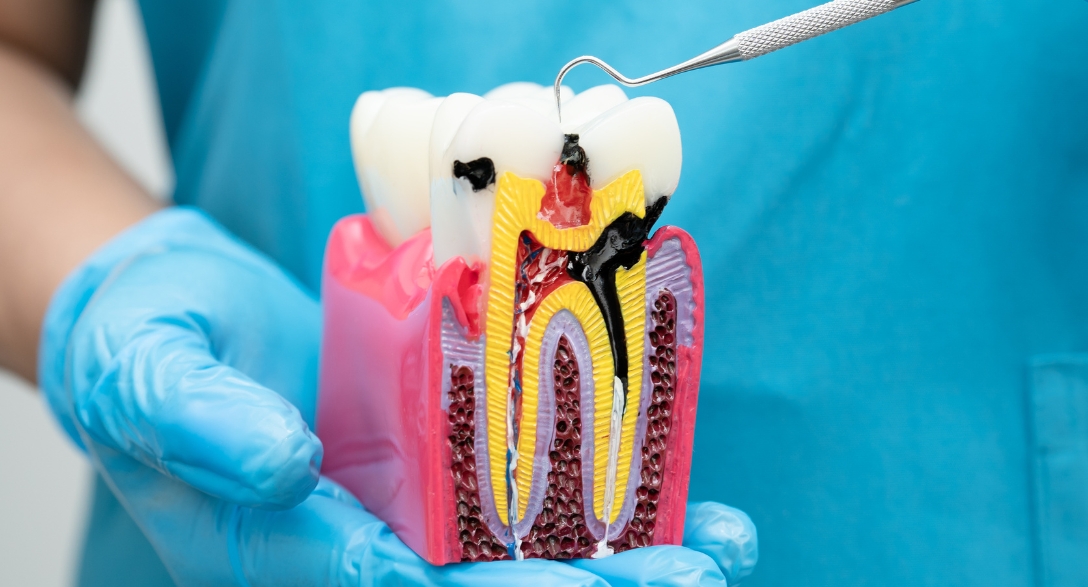
If you leave deep cavities untreated, it will go deep within the tooth into the pulp area. Bacteria enter and can cause infection, swelling, and pain. With no prompt care, infection can easily move to neighboring tissues and prompt non-surgical root canal treatments.
Cracked or Broken Teeth
Tooth cracks have the ability to expose the inner pulp to bacteria. Even small fractures provide avenues for infection. A dentist assesses the level of damage before prescribing non-surgical root canal procedures.
Repeated Dental Treatments
Teeth that have been subjected to repeated fillings or restorations become compromised. Excessive restoration trauma or too much drilling immensely weakens tooth structures. Gradually, this calls for non-surgical root canal procedures to save the tooth.
Trauma or Injury
Physical impact remarkably damages blood vessels inside the tooth. Even if no visible crack appears, internal damage causes pulp death. A dentist may detect injury-related infection early and reduce complications.
Gum Disease (Periodontitis)
Advanced gum disease leads to deep infections that reach the tooth root. The infection travels through tiny passageways and significantly affects the pulp. Non-surgical root canal treatments prevent tooth loss caused by periodontitis-related infections.
Preventive Measures
You Have to Maintain Good Oral Hygiene
Brush twice daily, floss, and use antibacterial mouthwash as it helps avoid decay and bacterial accumulation.
Consider Regular Dental Check-Ups
Schedule regular visits to a dentist. It will guarantee the early discovery of cavities, cracks, and infections.
Wearing Mouthguards Can Be Helpful
Mouthguards help prevent sports injuries and grinding fractures of teeth.
Opt for Healthy Diet Choices
Cutting sugar consumption restricts bacterial growth and reduces the incidence of cavities and infections.
You Should Avoid Harmful Habits
Stopping smoking and avoiding stress minimize gum disease and tooth damage.
Tooth decay, trauma, and gum disease frequently result in the need for non-surgical root canal treatments. Early treatment avoids severe pain and costly dental treatments. Regular check-ups enable the detection of issues before complications arise. When you ignore the warning signs, it will cause infections to spread deeper.
A dentist is important in maintaining natural teeth. Non-surgical root canal therapies rescue teeth from removal and promote oral health. Hygiene, diet, and protective care are prioritized to minimize risks. Prevention is always preferred to cure. Regularly scheduled dentist visits ensure lifelong healthy smiles.