Call Us Today 817-737-7668

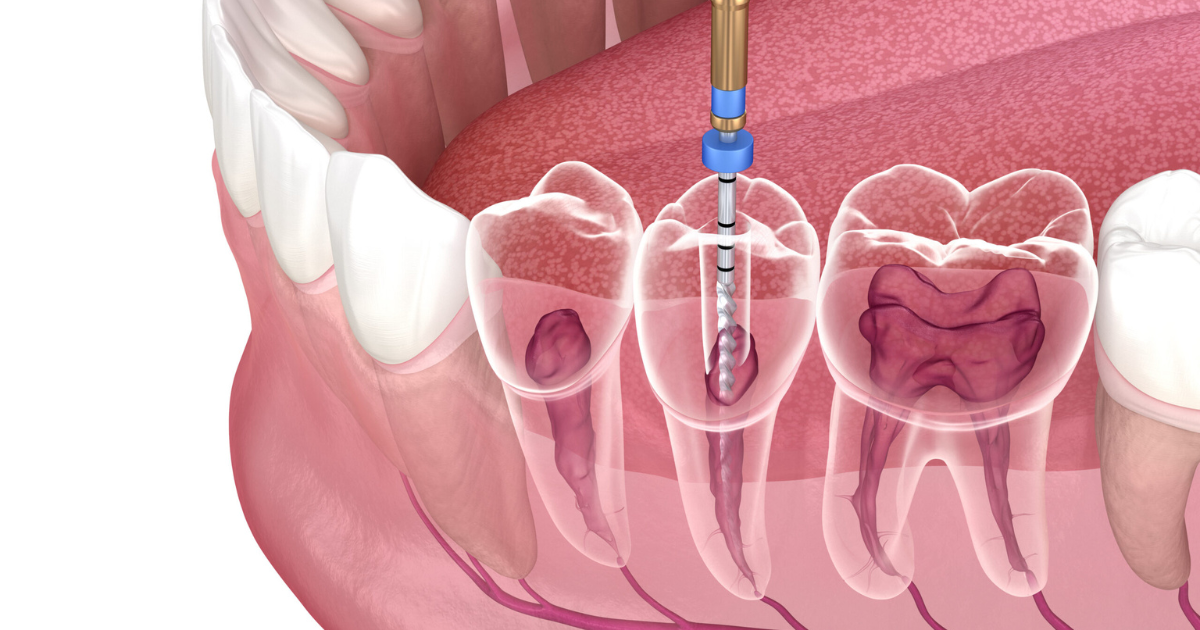
Endodontic procedures, including root canals, often get a bad rap, thanks to a host of myths floating around. You might hear that these treatments are incredibly painful or that they’re only for teeth that are nearly beyond repair. Let’s set the record straight. In reality, modern endodontics has evolved significantly, making these procedures far more comfortable and effective than many people believe.
If you’ve been avoiding necessary dental care due to these myths, it’s time to get the facts. We’ll debunk the most common misconceptions about endodontic treatments, giving you a clear picture of what to expect. By understanding the truth, you can make informed decisions about your dental health and avoid unnecessary fear or hesitation.
So, let’s dive into these myths and see how they stack up against the reality of today’s dental care!
Myth 1: Endodontic Procedures Are Extremely Painful
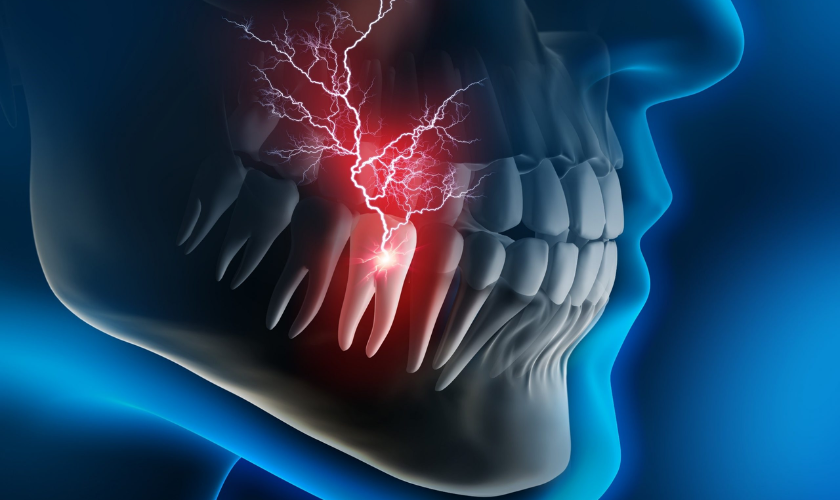
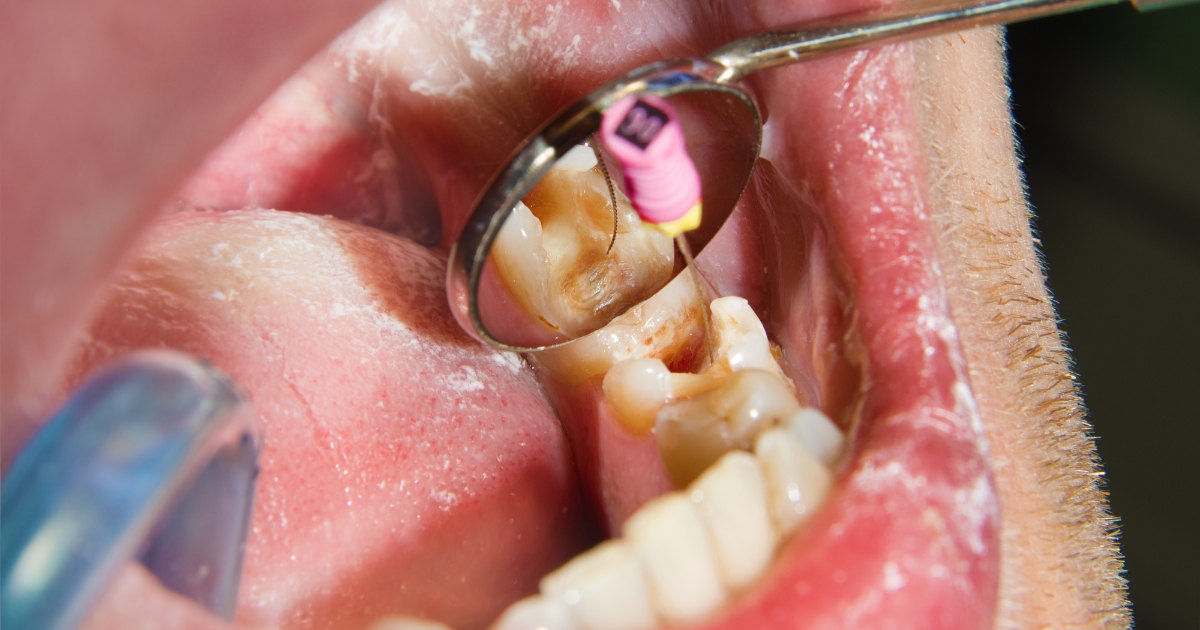
Many people think endodontic procedures are unbearably painful. This myth likely stems from older techniques and misconceptions. Today, advancements in dental technology and anesthesia have transformed these treatments.
- Local Anesthesia: Dentists use effective local anesthesia to numb the area, ensuring you feel little to no pain during the procedure.
- Modern Techniques: Tools and methods have evolved to minimize discomfort and speed up recovery.
- Post-Procedure Care: Most patients report only mild discomfort, similar to what you might feel after a routine filling.
So, if you’re dreading an endodontic procedure, remember that the experience is far more comfortable than you might expect. The next time someone mentions a root canal, rest assured that your comfort is a top priority.
Myth 2: Root Canals Are Only for Teeth That Are Beyond Repair
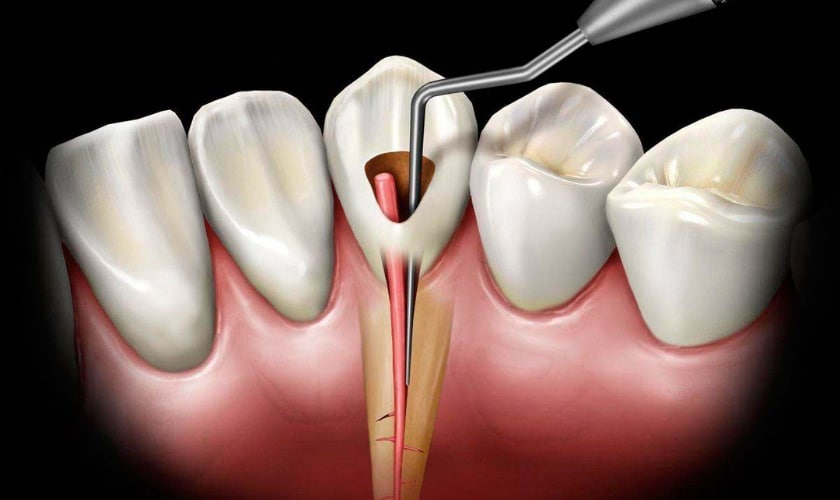
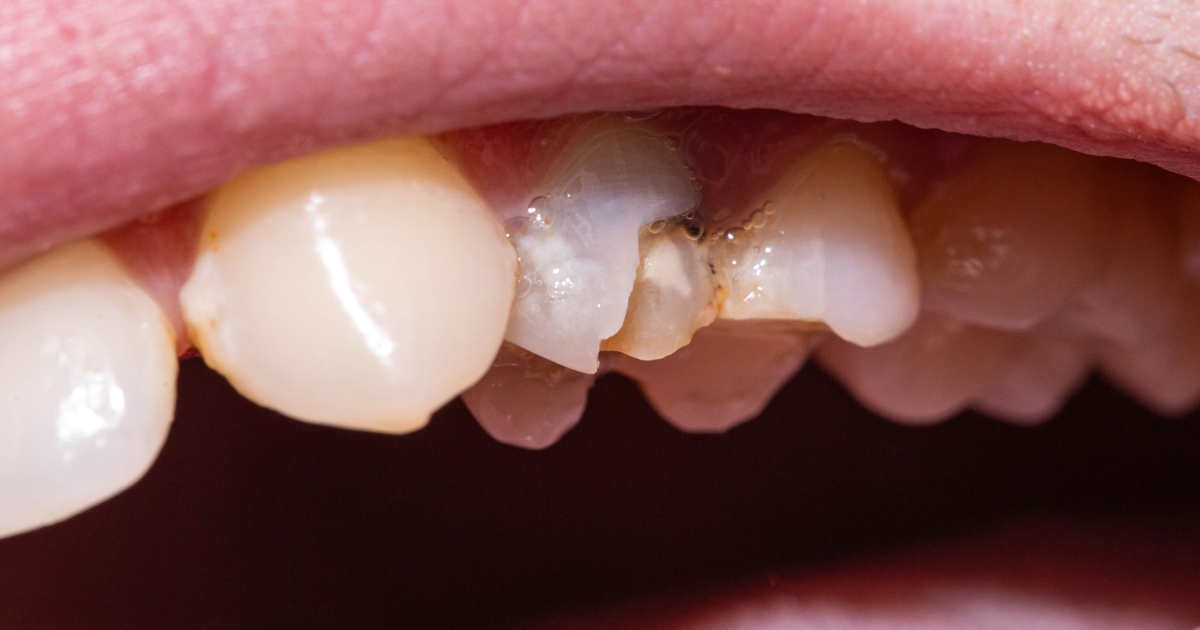
There’s a belief that root canals are only a last-ditch effort to save a tooth. In reality, they can often save teeth that are otherwise healthy but suffer from severe decay or damage.
- Preserving Natural Teeth: A root canal helps preserve your natural tooth structure, preventing the need for more invasive treatments like extractions and implants.
- Preventing Further Damage: By treating the tooth early, you can avoid more complex procedures and maintain better oral health.
- Long-Term Solution: A successfully treated tooth can last a lifetime with proper care.
Understanding this can make the idea of needing a root canal less daunting and highlight its role in maintaining overall dental health.
Myth 3: Endodontic Procedures Cause Long-Term Health Problems
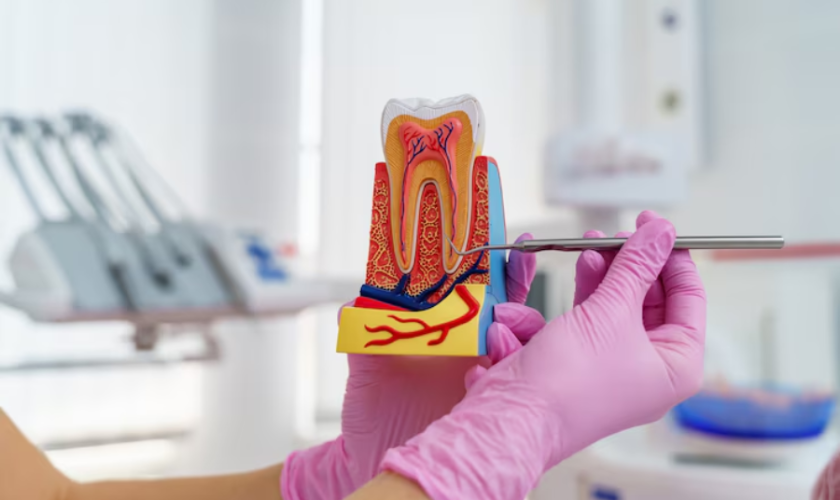
Some people worry that endodontic procedures might lead to long-term health issues. This myth is unsupported by modern research and practice.
- High Success Rate: Endodontic procedures in Fort Worth have a high success rate, with many patients experiencing positive outcomes.
- Regular Follow-Ups: Dentists schedule follow-up appointments to ensure the treated tooth heals properly and remains healthy.
- Minimal Complications: Most complications are minor and can be easily managed by your dentist.
With advancements in endodontics, these procedures are both safe and effective, designed to support your long-term dental health rather than compromise it.
Myth 4: Endodontic Procedures Are Only Necessary for Severe Tooth Pain

Not all endodontic procedures are performed in response to severe pain. Some treatments are proactive measures to address issues before they become painful.
- Preemptive Treatment: Dentists might recommend endodontic procedures to prevent future problems or address issues before they cause significant pain.
- Symptoms Aren’t Always Painful: Sometimes, signs like swelling or sensitivity prompt treatment, even if the pain isn’t severe.
- Routine Exams: Regular dental exams help identify issues early, sometimes preventing the need for emergency treatments.
Understanding that endodontic procedures can be part of routine care rather than just a response to pain can shift your perspective on their importance.
Myth 5: You Can’t Eat Normally After a Root Canal

There’s a belief that eating will be difficult or uncomfortable after a root canal. However, recovery is usually quick and straightforward.
- Post-Treatment Care: Your dentist will provide specific instructions on when and what you can eat after the procedure.
- Soft Foods: For the first few days, sticking to soft foods can help avoid discomfort.
- Normal Eating: Most patients can return to their regular diet within a short time frame, as any discomfort usually subsides quickly.
Eating normally after a root canal is often easier than anticipated, allowing you to return to your regular routine without significant dietary changes.
Myth 6: Endodontic Procedures Are Expensive and Not Worth the Cost
The cost of endodontic procedures can seem high, but it’s essential to consider the value they provide in preserving your dental health.
- Cost vs. Extraction: The cost of a root canal is often less than that of an extraction followed by an implant or bridge.
- Long-Term Savings: Saving a tooth avoids additional expenses and complications associated with tooth loss.
- Insurance Coverage: Many dental insurance plans cover endodontic procedures, making them more affordable than you might think.
Considering the long-term benefits and potential savings, endodontic procedures offer valuable investment in your oral health.
Myth 7: All Dentists Perform Endodontic Procedures Similarly
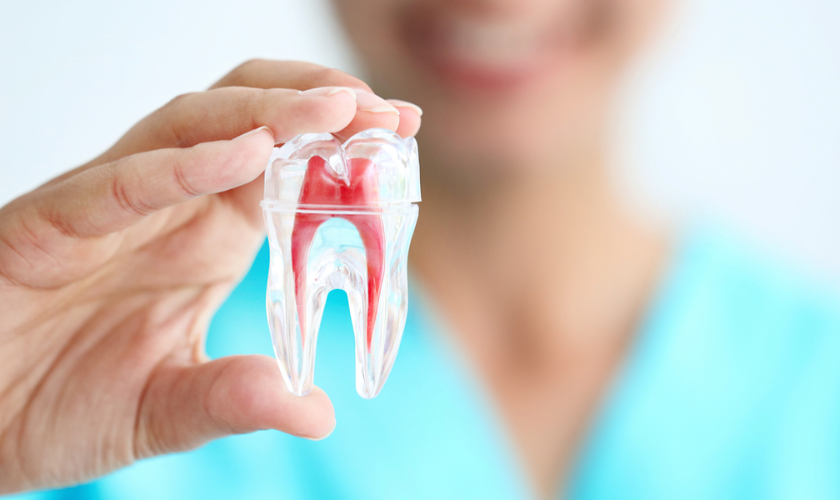
Not all endodontic procedures are created equal, and the experience can vary significantly depending on the dentist’s expertise.
- Specialist Expertise: An endodontist in Fort Worth specializes in root canals and other endodontic procedures, providing advanced care and expertise.
- Technology and Techniques: Different practices use varying technologies and methods, affecting the procedure’s outcome.
- Personalized Care: Choosing a dentist with specialized training ensures you receive the best possible care tailored to your needs.
Dispelling myths about endodontic procedures can make a significant difference in how you approach dental care. Understanding that these treatments are comfortable, effective, and crucial for preserving your teeth can ease your concerns. By debunking common misconceptions, you’re better equipped to make informed decisions about your dental health. If you have any doubts or need more information, don’t hesitate to consult with a specialized endodontist in Fort Worth to get the facts and the best care possible.