Call Us Today 817-737-7668

Accidents happen, and sometimes, they can leave you with a painful and unsettling dental injury. Whether it’s a sports mishap, a fall, or an unexpected accident, traumatic dental injuries can affect your smile in ways you might not expect.
From cracked teeth to knocked-out molars, these injuries can leave you in discomfort and even impact your confidence.
The good news?
With the right care, these injuries don’t have to be permanent.
When fixing and restoring your smile after a traumatic dental injury, timing is everything. Seeking professional help immediately can make a difference in saving your tooth and preventing further damage.
But what options are available? And how can an expert help you heal?
In this blog, we’ll walk you through the most common types of dental trauma, expert solutions for restoration, and how an endodontist can restore both the function and beauty of your smile.
Read on to find out how you can quickly and effectively get back to feeling great!
Common Types of Traumatic Dental Injuries
Dental injuries can happen unexpectedly, and when they do, it’s important to understand the type of injury and how it should be treated. Some common traumatic dental injuries include:
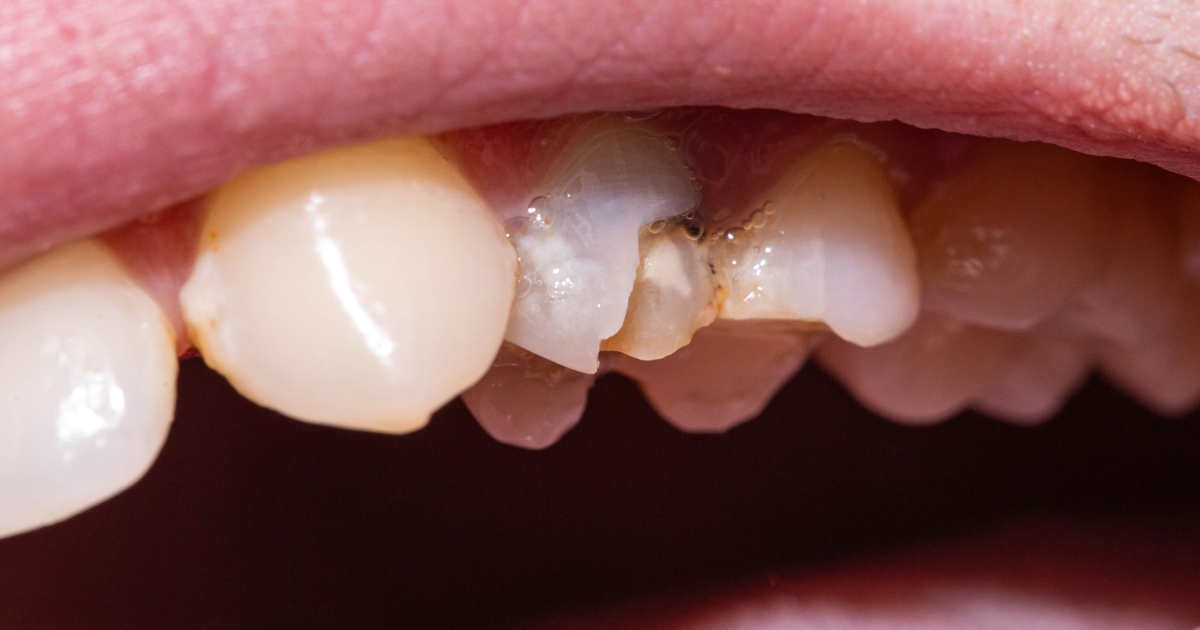
- Chipped or Broken Teeth: Small fractures often result from biting hard foods or accidents. These may not always cause pain but should be addressed to avoid further damage.
- Knocked-Out Teeth (Avulsed Teeth): This type of injury is often caused by accidents or sports. The tooth may be lost entirely or dislodged, requiring immediate action.
- Fractures: A tooth can break or crack due to impact, leading to internal or external damage. A fracture may expose the pulp, which needs urgent care.
- Tooth Dislocations: When a tooth moves out of its socket but remains intact, it can cause misalignment and discomfort.
Each type of injury requires a different approach to treatment. For instance, chipped teeth might only need a filling or bonding, while knocked-out teeth could require reimplantation. Early diagnosis is critical for determining the most effective treatment.
How to Handle a Dental Injury: Immediate Steps to Take
Acting quickly in a traumatic dental injury can save your tooth and prevent further complications. Here’s a step-by-step guide on what to do:
- Protect the Tooth: If the tooth is knocked out, carefully hold it by the crown, not the root. Place it back into the socket. If not, store it in milk or saline solution to keep it viable.
- Stop the Bleeding: Apply gentle pressure with a clean cloth or gauze to stop bleeding around the injured area.
- Manage Pain: Over-the-counter pain relievers, like ibuprofen, can help manage discomfort until professional treatment is available.
- Seek Immediate Professional Help: Reach out to a healthcare professional without delay. Prompt attention can significantly increase the chance of saving the tooth.
Expert Solutions for Restoring Traumatic Dental Injuries
When faced with a traumatic dental injury, an endodontist has various treatment options to restore both the function and aesthetics of your smile. Treatment depends on the severity of the injury. Some common solutions include:
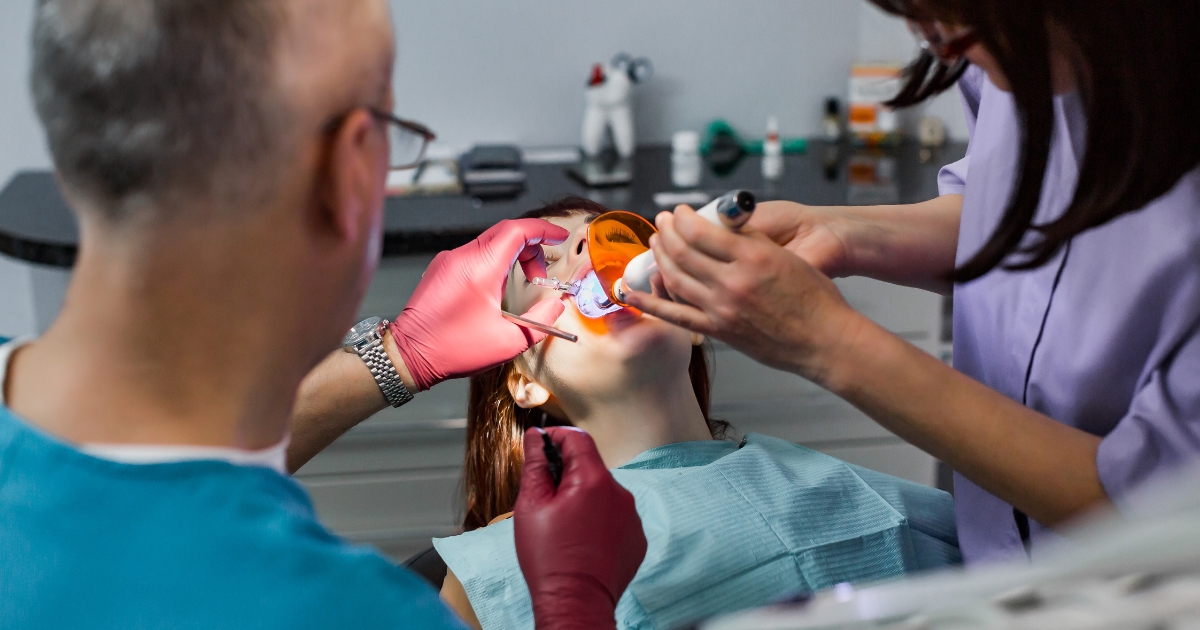
- Dental Bonding: For minor chips or cracks, bonding is an effective solution to restore the tooth’s appearance. This method uses a tooth-colored resin to fill in the damage.
- Crowns: If the damage is more extensive, a crown may be used to cover and protect the tooth, ensuring it functions properly.
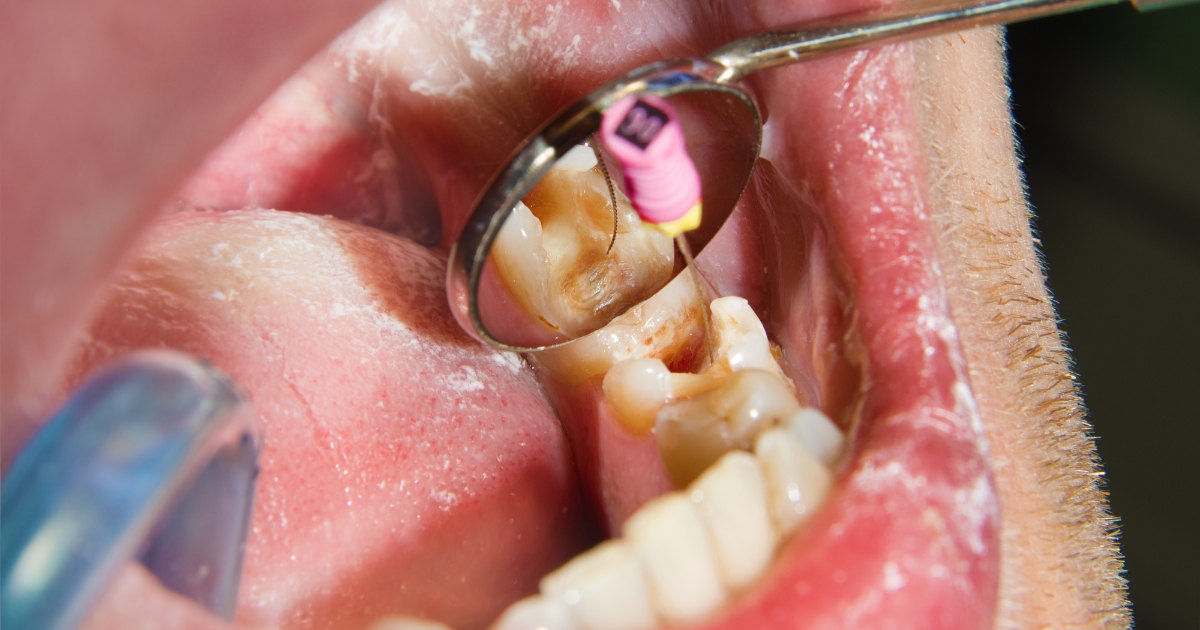
- Root Canals: If the pulp or nerve of the tooth is affected, a root canal procedure is required to remove the infected tissue and save the tooth.
- Tooth Reimplantation: In the case of a knocked-out tooth, reimplanting it into the socket quickly can save the tooth.
- Extractions: If the tooth is beyond saving, extraction may be necessary, followed by a restoration solution like an implant or bridge.
An endodontist in Aledo specializes in treating traumatic dental injuries and offers expertise to restore both function and aesthetics.
The Role of an Endodontist in Treating Traumatic Dental Injuries
Endodontists specialize in treating issues that affect the tooth’s interior, such as the pulp or root. When traumatic injuries occur, these specialists use advanced techniques to save teeth that might otherwise be lost. Here’s how an endodontist can help:
- Expert Diagnosis: An endodontist has the knowledge and tools to assess the extent of the damage, including whether the tooth pulp is affected.
- Advanced Techniques: Endodontists use cutting-edge tools, such as digital X-rays and surgical microscopes, to perform precise treatments like root canals or reimplantation.
- Saving the Tooth: The primary goal of an endodontist is to preserve the natural tooth, which is often possible with the right care.
- Post-Treatment Care: After treatment, the endodontist ensures that the tooth heals properly and offers advice for long-term care.
Long-Term Care and Follow-Up After Treatment
Once your traumatic dental injury has been treated, following proper aftercare is crucial for ensuring long-term success. Here’s what to do:
- Practice Good Oral Hygiene: Keep the injured area clean to avoid infections. Brush gently and floss around the treated tooth.
- Avoid Hard Foods: Immediately after treatment, avoid chewing on hard foods to prevent further damage.
- Regular Check-Ups: Schedule follow-up visits with your endodontist to monitor the healing process and check for any complications, such as infections or misalignment.
- Manage Sensitivity: Some discomfort or sensitivity may occur post-treatment, but it should improve over time. If pain persists, consult your endodontist.
Preventing Traumatic Dental Injuries: Tips for Protection
While accidents are unpredictable, there are steps you can take to reduce the risk of traumatic dental injuries. Prevention is key. Consider the following:
- Wear a Mouthguard: If you play contact sports or engage in activities with a risk of injury, always wear a mouthguard to protect your teeth.
- Avoid Nail-Biting: Biting your nails can stress your teeth unnecessarily, leading to cracks or chips.
- Be Cautious with Hard Foods: Hard foods like ice, nuts, and hard candy can cause teeth to chip or crack. Avoid biting down on these directly.
- Practice Good Oral Care: Maintaining strong, healthy teeth through regular brushing, flossing, and dental check-ups helps reduce the risk of injury.
When to Seek Help: Signs That Require Immediate Attention
Dental injuries often require immediate attention. Knowing when to seek help can prevent further damage and save your teeth. Look out for these signs:
- Severe Pain: Intense or persistent pain after an injury may signal more serious damage that needs professional care.
- Bleeding That Doesn’t Stop: If the bleeding continues after applying pressure for 10 minutes, seek emergency care.
- Loose Teeth: If a tooth feels loose or wobbles after an impact, it could be at risk of being dislodged, requiring urgent treatment.
- Visible Damage: Cracks, chips, or fractures that affect the tooth’s appearance should be addressed promptly to prevent further complications.
If you’re dealing with any of these symptoms, don’t wait. A dental emergency in Aledo may be a sign to seek immediate professional help.
The Emotional Impact of Dental Trauma and How to Cope
Dental trauma can take an emotional toll, not just physically. Many people feel self-conscious or anxious after experiencing a traumatic dental injury. Here’s how to cope:
- Acknowledge Your Emotions: Feeling upset or embarrassed is normal after dental trauma. Give yourself time to process these feelings.
- Talk to a Professional: If the emotional impact feels overwhelming, discussing your feelings with a counselor can help you manage stress and anxiety.
- Stay Positive: Remind yourself that dental injuries are treatable, and with the right care, you can restore your smile’s function and appearance.
- Boost Your Confidence: After treating the injury, you’ll feel more confident, knowing your smile has been restored.
Traumatic dental injuries can be overwhelming, but with the proper treatment and care, you can restore both your smile and confidence. Whether it’s a chipped tooth or a more severe injury, consulting a specialist ensures the best outcome. Acting quickly and following your endodontist’s advice can prevent long-term damage and protect your oral health.