Call Us Today 817-737-7668

Did you know that nearly 20% of children experience tooth decay by age five? This makes dental care crucial, especially when it comes to saving teeth. Vital pulp therapy (VPT) is a key treatment in pediatric dentistry that helps preserve a child’s natural teeth. VPT addresses problems with the pulp inside the tooth, keeping it healthy and functional.
This blog explores what VPT is, the procedures involved, when it is needed, and the benefits it offers. Understanding VPT can help parents make informed decisions about their child’s dental health.
What is Vital Pulp Therapy?
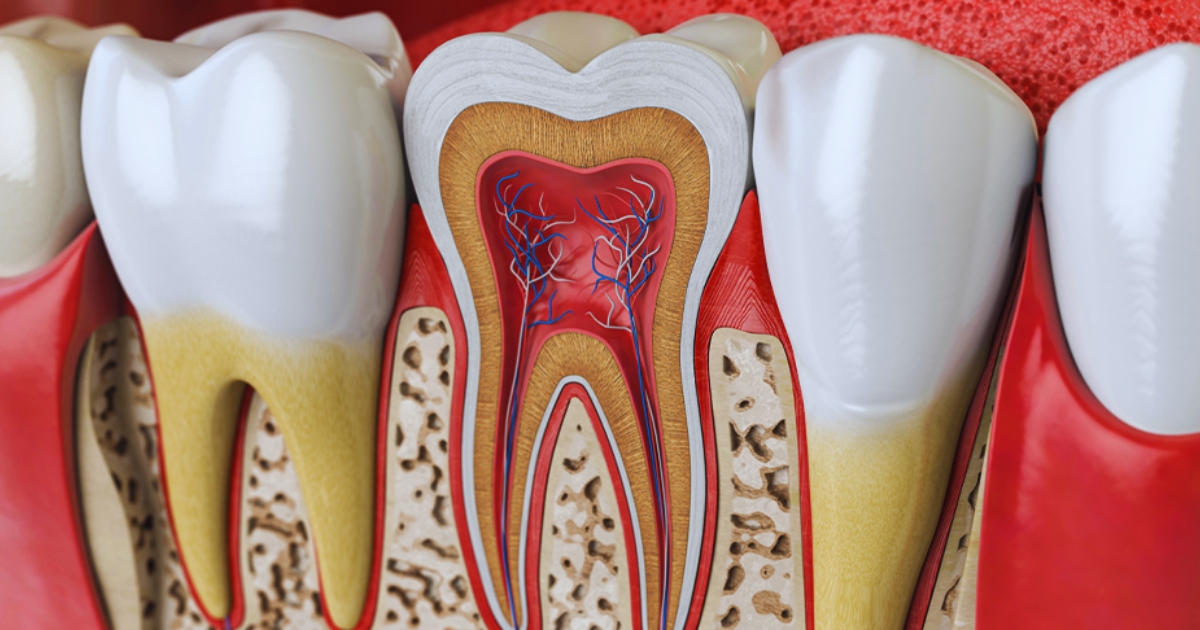
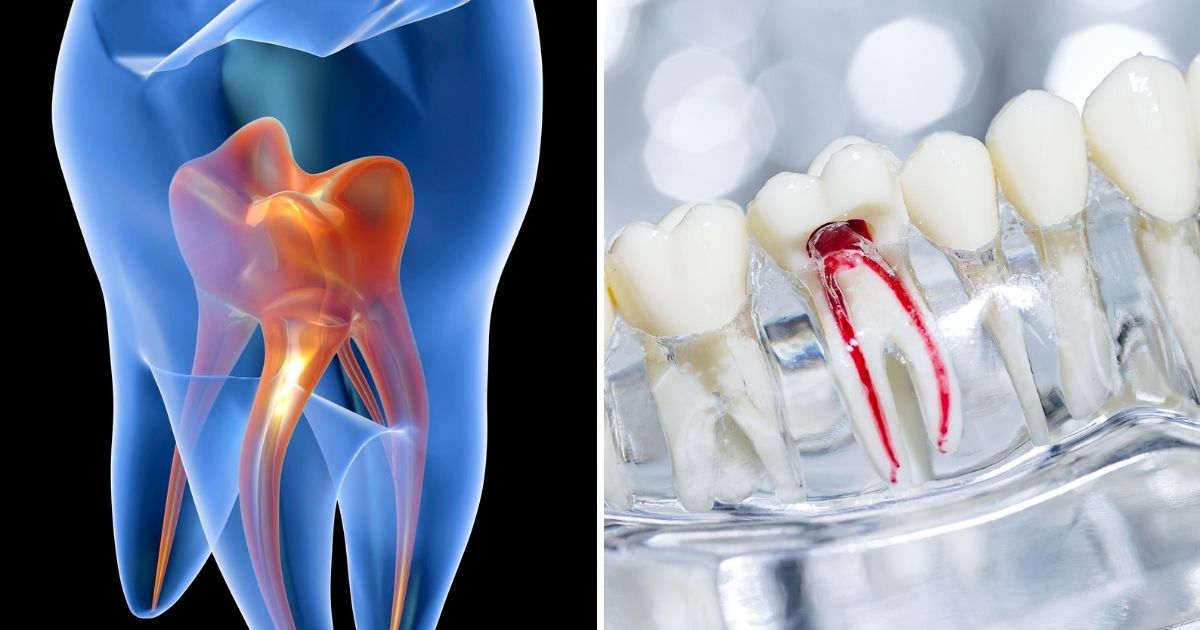
Vital pulp therapy in Colleyville is a dental treatment aimed at preserving the health of the dental pulp—the soft tissue inside a tooth. The primary goal of VPT is to maintain the vitality and function of the tooth when the pulp becomes inflamed or infected but is still alive. This therapy is particularly important in children because it helps save teeth that are crucial for proper development and function.
When a tooth’s pulp is affected by decay or trauma, VPT can prevent the need for more invasive procedures. By treating the pulp while it is still vital, VPT aims to keep the tooth alive and functional.
This is essential for maintaining a child’s dental health, as losing a tooth prematurely can lead to alignment issues and problems with chewing and speaking. Thus, VPT offers a less invasive solution that can extend the life of the tooth and support overall oral health.
Common Vital Pulp Therapy Procedures
Pulp Capping
Pulp capping involves placing a protective material directly over the exposed pulp to promote healing. There are two types:
- Direct Pulp Capping: This is applied in cases where a trauma or cavity has exposed the pulp. A material is placed directly on the exposed pulp to stimulate healing and form a protective layer.
- Indirect Pulp Capping: It is used when decay is very close to the pulp but has not yet exposed it. A layer of material is placed over the remaining dentin to protect the pulp from further decay and bacteria.
Pulpotomy
This procedure involves removing the affected part of the pulp in the tooth’s crown while preserving the pulp in the root canals. It is often used in cases of severe decay or trauma but when the root’s pulp remains healthy. A medicated material is then placed in the tooth to help it heal.
Root Canal Therapy
Although more commonly associated with adult dentistry, root canal therapy can sometimes be necessary for children if the tooth’s pulp is severely infected. In this process, the entire pulp is removed, and the canal is cleaned, shaped, and filled with a biocompatible material. This procedure helps to save the tooth and maintain its function.
Indications for Vital Pulp Therapy in Children
Caries Management:
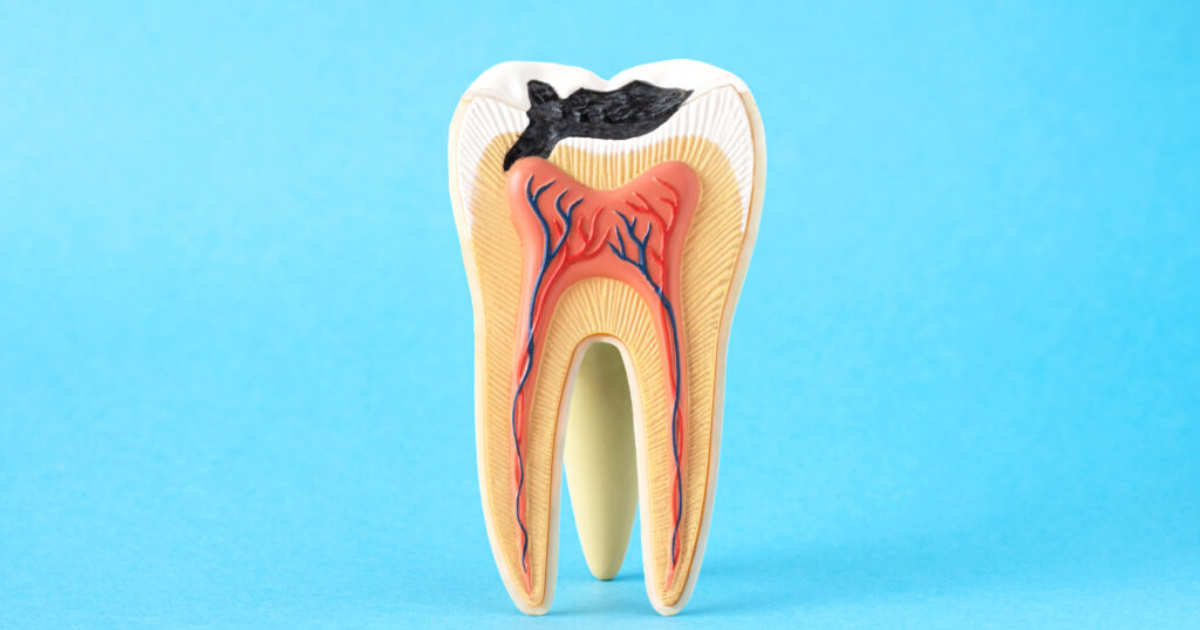
VPT is often recommended for deep carious lesions. When decay reaches the pulp, VPT can help preserve the tooth and prevent further infection. Early intervention can keep the tooth functional and avoid more extensive treatments.
Trauma:
Dental trauma, such as a blow to the mouth, can affect the tooth’s pulp. VPT can treat the pulp damage caused by trauma and help maintain the tooth’s health and function. This is critical in preserving the natural tooth and avoiding complications.
Developmental Issues:
Some developmental conditions can affect the pulp’s health. For example, teeth with developmental anomalies or abnormal root formation might benefit from VPT. This treatment can help in managing these issues and maintaining the tooth’s vitality.
Benefits of Vital Pulp Therapy
Preservation of Tooth Structure:
VPT helps maintain the tooth’s natural structure by treating the pulp while preserving as much of the tooth as possible. This approach prevents the need for more invasive treatments and helps retain the tooth’s function and appearance.
Prevention of Tooth Loss:
By addressing issues with the pulp, VPT can prevent the premature loss of a tooth. Keeping the tooth in place is important for proper alignment and function, which is essential for a child’s overall dental development.
Maintaining Function and Aesthetics:
VPT helps preserve the tooth’s ability to function properly and maintains its appearance. This is especially important for children, as it supports their ability to chew, speak, and smile confidently.
Choosing the Right Treatment Option
Factors to Consider:
When deciding on a treatment, several factors must be considered, including the child’s age, the extent of pulp damage, and the overall health of the tooth. Each case is unique, and the choice of treatment will depend on these individual factors.
Consultation with a Pediatric Dentist:
Consulting with a pediatric dentist is crucial for determining the best course of action. A pediatric dentist can assess the condition of the tooth and recommend the most appropriate treatment. For professional advice, consider seeing an endodontist in Colleyville, who specializes in procedures like VPT.
Vital pulp therapy is a valuable option for preserving a child’s natural teeth and maintaining their dental health. By understanding the different procedures and benefits of VPT, parents can make informed decisions about their child’s treatment. If you suspect your child needs VPT, consult with a pediatric dentist or an endodontist to get personalized advice and treatment. Keeping your child’s teeth healthy ensures they can enjoy a lifetime of smiles.