Call Us Today 817-737-7668

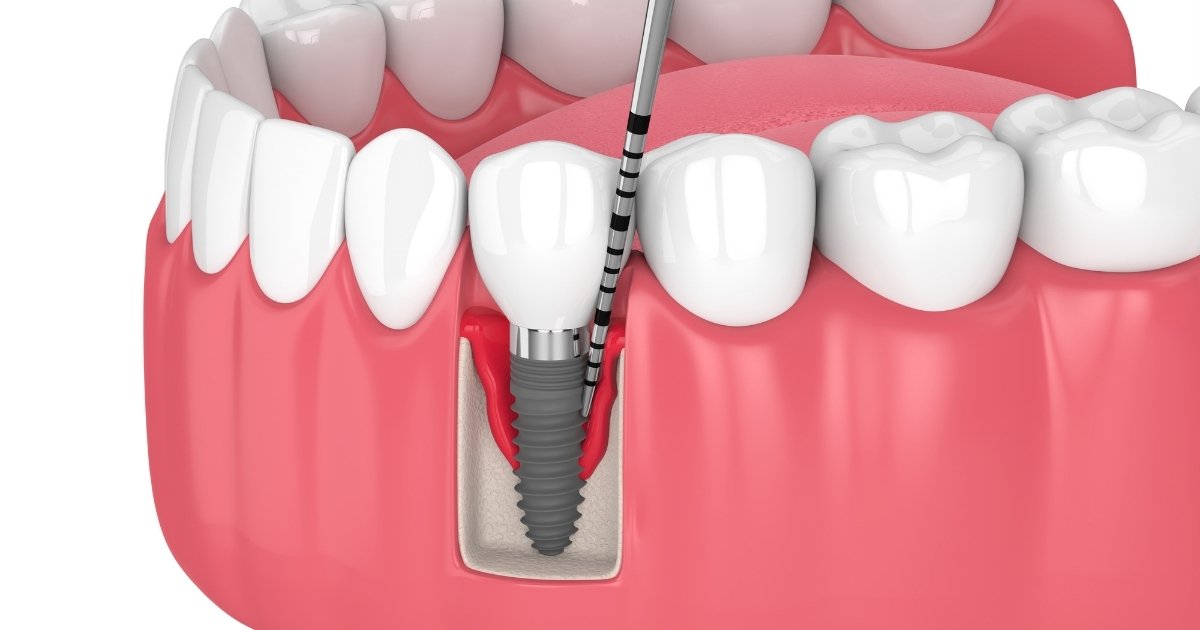
Dental implants are long-lasting, natural-looking answers when it comes to missing teeth. They provide a long-term esthetic and functional solution. Still, they should be well-maintained to avoid complications such as peri-implant disease. This is inflammation of the surrounding gum and bone of dental implants. It results in possible failure of the implants.
Early indications tend to remain unnoticed. Hence, prevention is a must. With no early attention, this disease can harm nearby tissues. In addition, it can cause instability of the implant.
Caring for healthy gums and routine visits guarantees the success of your dental implant. It is simpler and inexpensive to prevent peri-implant disease compared to treatment. You must know how to care for your implant. Moreover, you need to maintain your smile and prevent future dental complications.
Key Information to Prevent Peri-implant Disease
1. Practice Great Oral Hygiene
You should brush twice a day with a soft-bristle toothbrush at the dental implant site. Floss daily to make sure to clean between the implant and the adjacent teeth. You must use interdental brushes to access tight areas around the implant site. Moreover, water flossers dislodge food particles and decrease inflammation of gums. You can also use antimicrobial mouthwash to decrease bacteria that can lead to peri-implant disease.
2. Regular Check-Ups & Professional Cleaning
Consider Implant check-ups every six months and deep cleaning. Dentists are capable of identifying early warning signs of peri-implant diseases in Dallas before they become severe. Professional cleaning has the ability to eliminate hardened plaque and bacteria from the implant surfaces. In addition, x-rays assist in evaluating bone health surrounding the dental implant. You need to consider regular check-ups to minimize the possibility of needing peri-implant disease treatment.
3. Healthy Lifestyle Habits
Stop smoking. This is because it raises the risk of this disease and implant failure. Control chronic conditions such as diabetes, which can slow down gum healing. You must eat a well-balanced diet with calcium and vitamin D for bone health. Furthermore, you have to restrict sugar consumption to lower plaque formation around the implant. You can keep yourself well hydrated to assist general oral well-being and avoid dry mouth.
4. Early Warning Signs
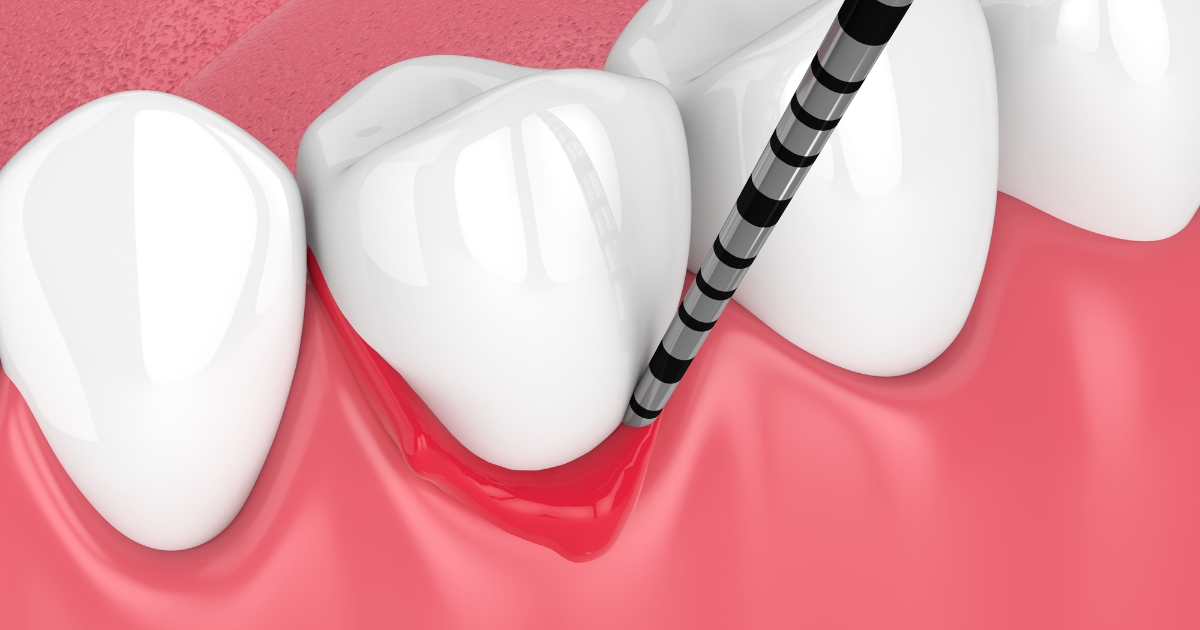
Notice redness, swelling, or bleeding around your dental implant. Keep in mind that prolonged pain or sensitivity can show signs of peri-implant disease. In addition, pungent bad breath or taste might be the result of a deeper infection. Loose implants are an instant red flag at a dentist.
When you detect these conditions at an early stage, it can make treatments less complicated and more efficient peri-implant disease therapies.
Why Is Prevention Important?
If you leave peri-implant disease untreated, it can result in gum recession and bone loss around the implant. More advanced stages compromise the implant’s stability. You can make it more susceptible to failure. The infection has the ability to extend to surrounding teeth and the general oral condition.
Peri-implant disease treatment can sometimes be expensive. Usually, it requires complicated procedures such as bone grafting. Prevention at an early stage is more manageable and less costly. In addition, it can help maintain the health of the dental implant.
Regular visits to the dentist and good hygiene lower the risk of requiring peri-implant disease treatment.
The Role of Dental Professionals
Dentists are also crucial when it comes to the prevention and maintenance of peri-implant disease. Regular dental check-ups enable dental professionals to monitor implant health and identify issues immediately. Specialized cleanings by dental hygienists target bacteria in the vicinity of the implant.
In addition, regular X-rays help monitor bone levels, as the implant needs to stay firmly rooted. Customized care plans significantly address the individual’s risk factors and maximize oral hygiene practice. Regular follow-ups with a dentist ensure the long-term success of the implant and reduce complications.
Prevention of peri-implant disease involves commitment to daily oral care and visits to the dentist. If you consider brushing, flossing, and using dental picks, it can help maintain healthy gums and implants. Quitting smoking and controlling chronic conditions reduce risk. Check-ups ensure early signs are caught, making peri-implant disease treatment easier if necessary.
Proper care and regular visits to the dentist ensure long-term implant success. A healthy implant equates to a confident, long-lasting smile. Talk to our professionals if you want to ensure your implant success.