Call Us Today 817-737-7668

Tooth pain can strike at the most unexpected times, leaving you wondering if your only option is a painful, invasive procedure.
The good news?
Non-surgical root canal treatment offers a modern, less invasive solution that not only saves your tooth but also helps you avoid unnecessary discomfort. This approach blends advanced techniques with patient-centered care, making it easier to preserve your natural teeth while addressing underlying issues.
But what exactly is a non-surgical root canal, and why should you consider it? If the idea of traditional root canals makes you nervous, this blog will guide you through a treatment option designed to ease both your pain and your worries.
From understanding when it’s needed to exploring its long-term benefits, we’ll dive into everything you should know about this effective dental procedure. By the end, you’ll feel confident about making informed decisions for your oral health.
Let’s get started!
What is Non-Surgical Root Canal Treatment?
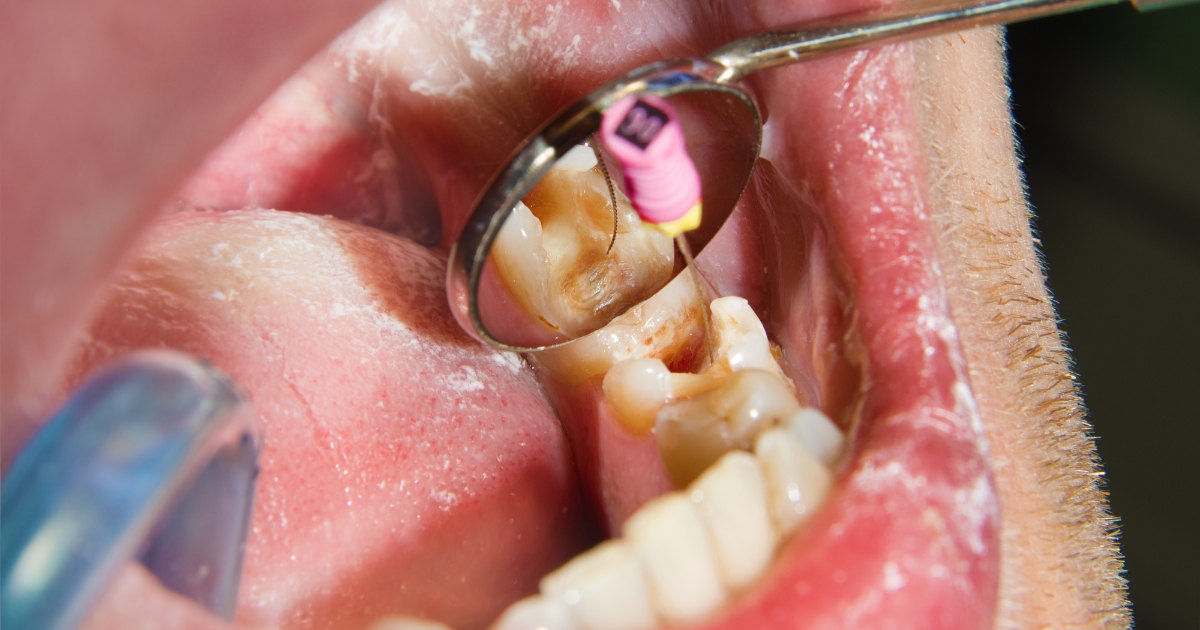
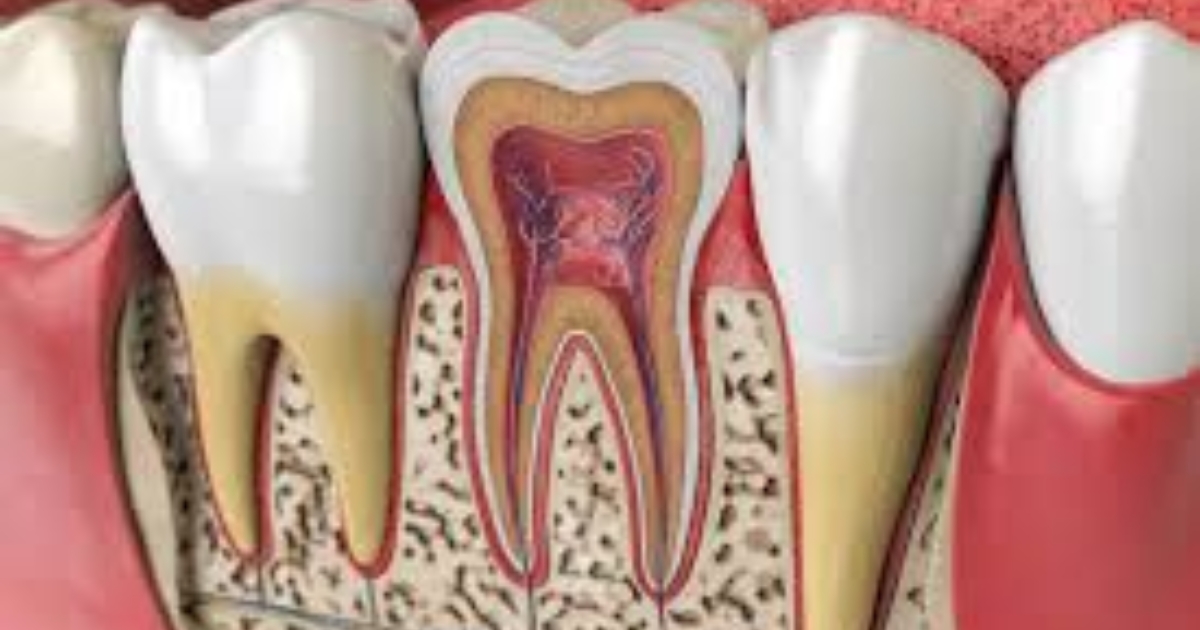
Non-surgical root canal treatment is a modern dental procedure designed to treat infections and damage within a tooth’s root canal system. Unlike surgical options, this approach avoids incisions and focuses on internal cleaning and restoration. Its primary goal is to save natural teeth while relieving pain and preventing further complications.
Here’s what makes non-surgical root canals unique:
- Definition: A minimally invasive procedure that removes infection from within the tooth.
- How it Differs: Avoids surgical tools or incisions, making it a gentler alternative to surgical root canal procedures.
- Purpose: Preserves the natural tooth structure, eliminates infection, and alleviates discomfort.
With advancements in techniques and tools, this treatment ensures comfort and efficiency. It’s a practical solution for those experiencing tooth pain or infection who want to avoid tooth loss. By choosing a non-surgical root canal, you not only protect your oral health but also enhance your overall well-being.
Signs You May Need a Non-Surgical Root Canal
Recognizing the signs early can make all the difference in saving a tooth. Symptoms can vary from obvious pain to subtle discomfort, but they all point to potential root canal issues that require prompt attention.
Common signs to watch for include:
- Severe Tooth Pain: A sharp or throbbing pain that worsens with chewing or pressure.
- Sensitivity: Lingering sensitivity to hot or cold temperatures, even after the source is removed.
- Swelling: Gums near the affected tooth may swell or feel tender.
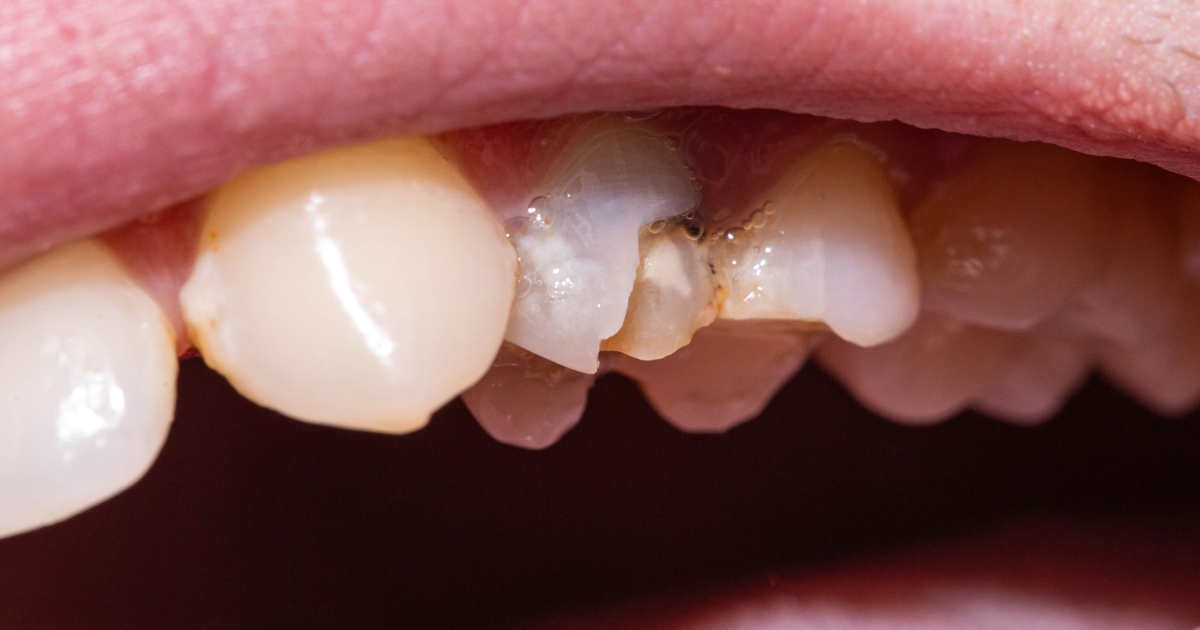
- Discoloration: Darkening of the tooth may indicate damage or infection within the root.
- Persistent Discomfort: A mild but continuous ache that doesn’t go away.
Early detection ensures the infection doesn’t spread, making treatment simpler and more effective. If you notice any of these symptoms, consult an endodontist in Denton for a thorough evaluation. They can determine if a non-surgical root canal is the right solution for you.
The Non-Surgical Root Canal Procedure: What to Expect?
The idea of a root canal can be intimidating, but understanding the process helps ease fears. Non-surgical root canal treatments are straightforward and designed to maximize patient comfort.
Here’s a step-by-step guide to what you can expect:
- Diagnosis: Your endodontist examines your tooth using X-rays to confirm the infection’s extent.
- Numbing: A local anesthetic ensures you stay comfortable throughout the procedure.
- Access: A small opening is made in the tooth to access the infected root canal.
- Cleaning: The canals are cleaned thoroughly, removing bacteria, debris, and infected tissue.
- Sealing: The cleaned canals are filled and sealed to prevent future infections.
- Restoration: A crown or filling may be placed later to strengthen the tooth.
The procedure typically lasts 60–90 minutes, depending on the severity of the infection. With advanced tools and techniques, non-surgical root canals are efficient, safe, and designed for a swift recovery.
Benefits of Choosing a Non-Surgical Root Canal Treatment
When faced with tooth infection, saving the natural tooth is always a priority. Non-surgical root canal treatment offers several advantages over other options, like extractions or surgical procedures.
Why it’s worth considering:
- Preservation of Natural Teeth: Keeps your original tooth intact, maintaining your natural smile.
- Faster Recovery: The minimally invasive approach ensures a quicker and smoother healing process.
- Cost-Effective: Avoids the expense of extractions and replacements, such as implants or bridges.
- High Success Rate: Non-surgical root canals have a proven track record of effectively treating infections.
Choosing this treatment helps maintain oral health without the need for more invasive or costly procedures. It’s a reliable option for restoring function and comfort.
How Non-Surgical Root Canals Support Long-Term Oral Health?
Non-surgical root canal treatment is not just about addressing immediate pain—it also plays a crucial role in protecting your long-term oral health.
Here’s how this treatment contributes to overall wellness:
- Prevents Damage: Stops the spread of infection to nearby teeth and gums.
- Preserves Bite Structure: Keeps your natural tooth in place, preventing alignment issues and bone loss.
- Reduces Future Risks: Lowers the likelihood of needing complex, invasive procedures later.
- Supports Oral Function: Ensures you can chew and speak comfortably without relying on artificial restorations.
By opting for a non-surgical root canal, you safeguard your oral health while avoiding complications that could arise from untreated infections.
Addressing Concerns: Pain, Risks, and Myths About Root Canals
Root canals often have a bad reputation, but much of the fear surrounding them is based on outdated myths. Today’s non-surgical root canal treatments are far more comfortable and effective.
Here’s the truth:
- Minimal Pain: Local anesthesia and modern techniques make the procedure virtually painless.
- Low Risks: Complications are rare when performed by a skilled endodontist.
- Quick Recovery: Most patients return to normal activities within a day or two.
- No “Scary Tools”: Advanced equipment eliminates the need for intimidating instruments.
Non-surgical root canal treatment is more than just a solution for tooth pain—it’s a step toward preserving your natural smile and improving your oral health. With its minimally invasive approach, this procedure ensures comfort and long-lasting results. Whether you’re dealing with tooth sensitivity or a deeper infection, this treatment can restore your confidence and comfort. Ready to explore this option? Connect with a trusted endodontist in Denton today and take the first step toward a healthier, happier smile.