Call Us Today 817-737-7668


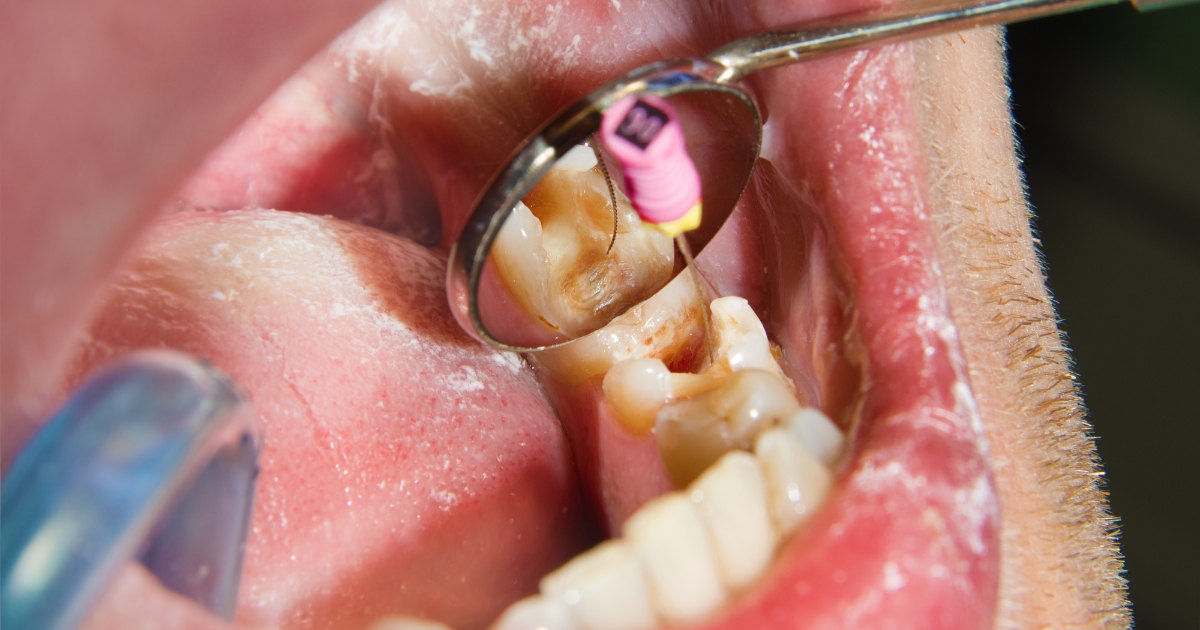
When it comes to saving your smile, sometimes a standard root canal just isn’t enough. If you’ve been dealing with persistent pain or swelling even after treatment, you might need an apicoectomy. This endodontic procedure is a crucial step in preserving a tooth that has suffered complications. Curious about how it works? Let’s dive in!
An apicoectomy removes the tip of the tooth’s root and cleans out any infection lingering in the area. Many people fear dental procedures, but understanding what to expect can ease your concerns. With proper care, this treatment can save your tooth and restore your oral health. In this blog, we’ll explore when an apicoectomy becomes necessary, how the procedure is performed, and the benefits it offers.
We’ll also debunk some common myths and provide you with tips on recovery and long-term care. Your smile deserves the best care, and being informed about your options is the first step to maintaining it. Let’s get started on this journey to understanding apicoectomy and how it can help you!
Understanding the Need for Apicoectomy
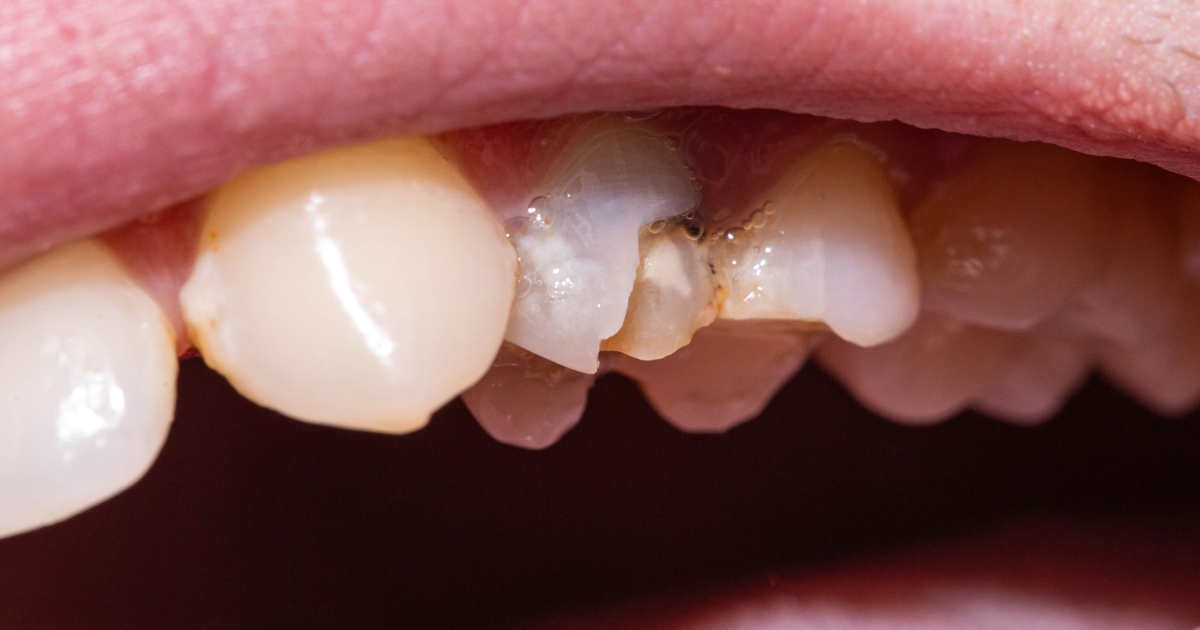
Apicoectomy is often a necessary step when dental issues persist despite treatment. Several conditions can lead to the need for this procedure. Here are some common causes:
- Failed Root Canal: Sometimes, a root canal doesn’t completely eliminate infection, leaving the area vulnerable.
- Persistent Infection: If infection lingers at the root tip, it can lead to pain, swelling, and further complications.
- Cyst Formation: In some cases, cysts can form at the root tip, requiring surgical intervention.
- Dental Trauma: Previous injuries to the tooth can sometimes necessitate this procedure due to damage or infection.
Signs indicating the need for an apicoectomy include:
- Chronic Pain: Ongoing discomfort that doesn’t improve.
- Swelling: Persistent swelling around the affected area.
- Sensitivity: Increased sensitivity to hot or cold that doesn’t subside.
- Pus or Discharge: Signs of infection, such as pus near the gum line.
If you experience any of these symptoms, consult an endodontist to discuss the possibility of an apicoectomy.
How Apicoectomy Works?
An apicoectomy is a precise procedure designed to remove the root tip of a tooth. Here’s what the process involves:
- Anesthesia: The procedure begins with local anesthesia to numb the area around the affected tooth, ensuring a pain-free experience.
- Incision: The endodontist makes a small incision in the gum tissue to access the tooth’s root.
- Removal of Root Tip: The endodontist carefully removes the infected root tip and any surrounding infected tissue.
- Cleaning: The area is cleaned to eliminate any remaining bacteria and infection.
- Filling: After cleaning, the endodontist fills the root canal space with a biocompatible material to prevent future infections.
- Suture: Finally, the incision is stitched up, and a follow-up plan is discussed.
This procedure can be completed in a single visit and generally takes about an hour. Apicoectomy offers a conservative approach to save your tooth from extraction and restore your oral health.
Benefits of Choosing Apicoectomy
Opting for an apicoectomy provides several significant benefits:
- Preservation of Natural Tooth: The primary advantage is saving your natural tooth. Without this procedure, extraction may be necessary.
- Elimination of Infection: Apicoectomy effectively removes persistent infections, reducing pain and discomfort.
- Improved Oral Health: By preserving your tooth, you maintain proper alignment and function in your mouth, which is crucial for overall oral health.
- Less Invasive than Extraction: Compared to tooth extraction followed by dental implants, an apicoectomy is a less invasive option, often resulting in a quicker recovery.
Many patients find relief from their symptoms and can resume normal activities shortly after recovery. The benefits of an apicoectomy can significantly improve your quality of life and help you maintain a healthy smile for years to come.
Recovery Process After Apicoectomy
Understanding what to expect during recovery can help ease any anxiety about the apicoectomy procedure. Here’s what you should know:
- Initial Recovery: Most patients can go home shortly after the procedure. It’s normal to experience some swelling and discomfort in the days following.
- Managing Pain: Over-the-counter pain medications can help manage discomfort. Your endodontist may prescribe stronger pain relievers if necessary.
- Ice Packs: Applying ice packs to the affected area can help reduce swelling and provide relief.
- Diet Adjustments: Stick to soft foods and avoid anything crunchy or chewy for the first few days.
- Follow Instructions: Always follow post-operative care instructions from your endodontist to promote healing.
Common Myths About Apicoectomy
Many misconceptions surround the apicoectomy procedure, causing unnecessary anxiety. Here are some common myths and the truths behind them:
- Myth: Apicoectomy is the Same as Tooth Extraction
Truth: Unlike extraction, apicoectomy saves your tooth by addressing underlying issues. - Myth: The Procedure is Painful
Truth: With modern anesthesia, most patients report minimal discomfort during and after the procedure. - Myth: Recovery Takes a Long Time
Truth: Many patients return to normal activities within a few days, with full recovery typically achieved within a couple of weeks. - Myth: Apicoectomy is Ineffective
Truth: This procedure has a high success rate and can effectively treat dental infections that resist other treatments.
When to Consult an Endodontist?
Recognizing the right time to consult an endodontist is crucial for maintaining your dental health. Consider these signs:
- Ongoing Pain: If you experience persistent tooth pain despite previous treatments.
- Swelling: Noticeable swelling in the gums around the tooth.
- Sensitivity: Prolonged sensitivity to temperature changes, even after treatment.
- Foul Taste or Smell: Unpleasant odors or tastes in your mouth can indicate an infection.
Don’t hesitate to seek professional help. Timely intervention can save your tooth and prevent further complications. If you suspect you need an apicoectomy in Colleyville, TX, reach out to an experienced endodontist for evaluation.
Long-Term Care After Apicoectomy
After your apicoectomy, maintaining your oral health is essential for lasting results. Here are some key tips:
- Regular Check-Ups: Schedule follow-up visits with your endodontist to monitor the health of your treated tooth.
- Gentle Oral Hygiene: Continue practicing good oral hygiene but be gentle around the treated area. Use a soft-bristled toothbrush and avoid vigorous brushing for a few days.
- Healthy Diet: Eating a balanced diet rich in nutrients supports healing and strengthens your teeth.
- Avoid Grinding: If you grind your teeth, discuss options with your endodontist. A nightguard may protect your teeth from damage.
- Be Observant: Watch for any signs of discomfort or complications. Promptly report any concerns to your endodontist.
Apicoectomy can be a game changer for preserving your smile and relieving persistent dental issues. By understanding this procedure, you can take proactive steps toward better oral health. With the right care and attention, your treated tooth can continue to serve you well for years. Always consult your endodontist if you notice any concerning symptoms, and prioritize your dental check-ups. Your smile deserves the best care possible!