Call Us Today 817-737-7668

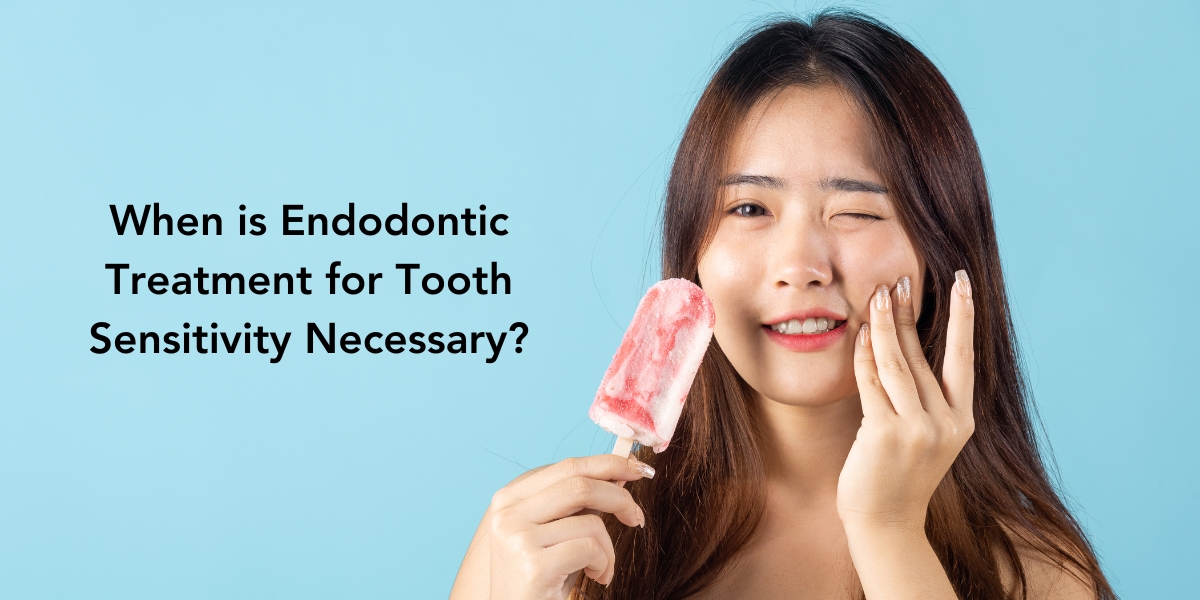
Tooth sensitivity can feel like an unwelcome surprise, turning a simple sip of coffee or a bite of ice cream into a moment of discomfort.
If you’ve ever winced from the sudden jolt of pain, you’re not alone. Many people experience this common issue, but the reasons behind it can vary widely.
Understanding the causes of tooth sensitivity is the first step to finding relief and ensuring your dental health.
Sometimes, sensitivity indicates a deeper problem that may require endodontic treatment.
So, how do you know when it’s time to consult an endodontist?
In this blog, we’ll explore the triggers of tooth sensitivity, the signs that suggest a professional evaluation is necessary, and the endodontic options available to address your discomfort. Let’s dive into the world of tooth sensitivity and discover how to regain your comfort and confidence with every bite!
A Deeper Look Into Tooth Sensitivity
Tooth sensitivity, or dentin hypersensitivity, occurs when the enamel wears down or gums recede, exposing the underlying dentin. This condition can lead to sharp, temporary pain when consuming hot, cold, sweet, or acidic foods. Sensitivity can disrupt daily activities, turning enjoyable meals into uncomfortable experiences. Here’s what to know:
- Common Causes: Worn enamel, gum disease, tooth decay, or recent dental work can contribute to sensitivity.
- How It Manifests: You might feel discomfort when brushing, flossing, or even breathing in cold air.
- Psychological Impact: Ongoing sensitivity can lead to anxiety about eating certain foods, affecting your overall enjoyment of meals.
Identifying Triggers for Sensitivity
Certain foods and environmental factors can trigger tooth sensitivity, intensifying your discomfort. Recognizing these can help you manage your symptoms effectively:
- Foods and Beverages: Hot drinks, cold ice cream, citrus fruits, and even some spicy dishes can trigger sensitivity.
- Other Factors: Brushing too hard, grinding your teeth, or using whitening products may also worsen the problem.
- Environmental Triggers: Sudden temperature changes or exposure to cold weather can provoke discomfort as well.
When to Consult an Endodontist?
Knowing when to seek professional help can make a significant difference in your dental health. Here are some signs that indicate you might need to consult an endodontist:
- Persistent Sensitivity: If your sensitivity lasts longer than a few weeks, it may signal an underlying issue.
- Severe Pain: Intense pain that doesn’t go away could indicate a more serious condition requiring immediate attention.
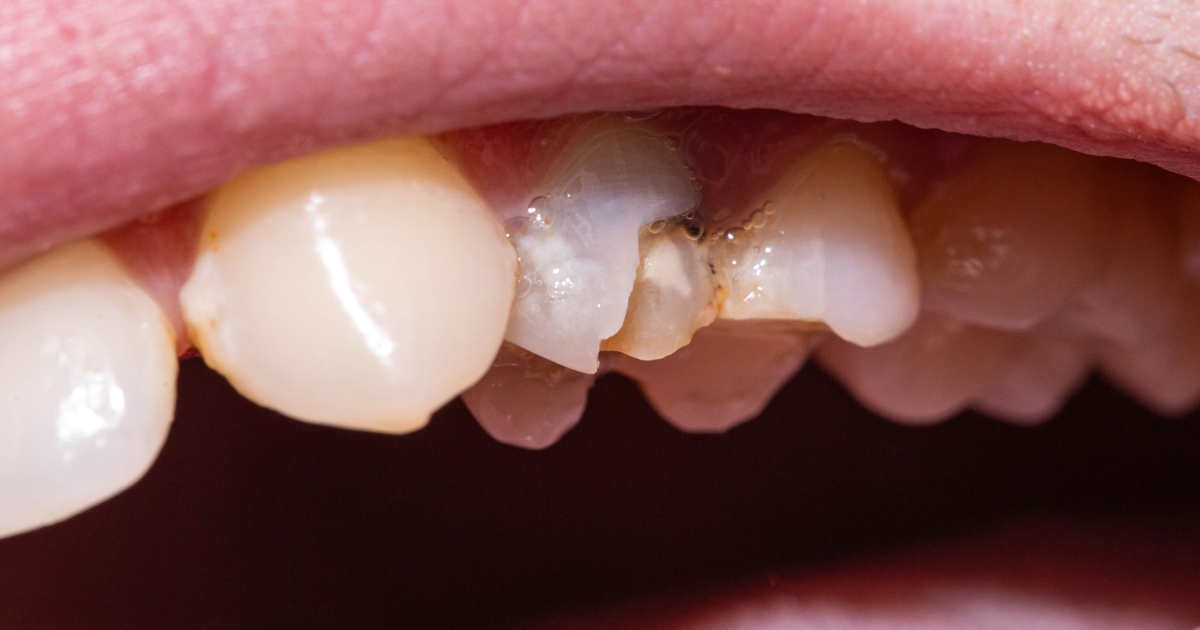
- Swelling or Discoloration: Any swelling or changes in color around your gums or teeth should prompt a visit.
Timely intervention can prevent complications and lead to more effective treatment options.
Endodontic Treatments: What To Know?
Endodontic procedures aim to treat the underlying causes of tooth sensitivity, helping you regain comfort and functionality. Here’s an overview of how these treatments work:
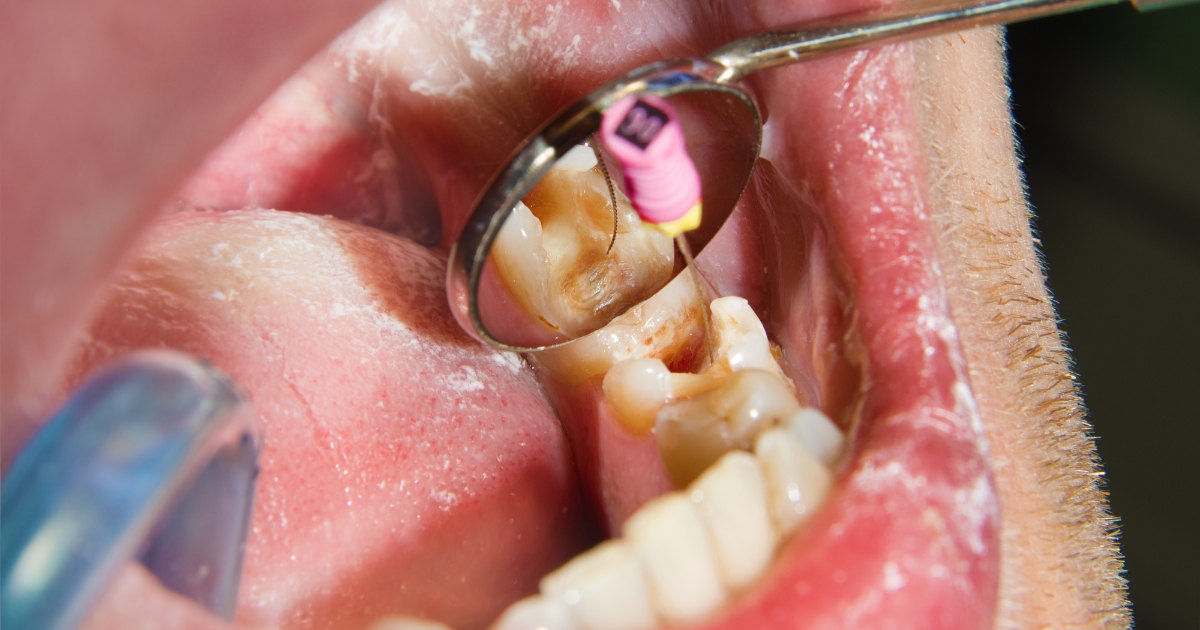
- Root Canal Therapy: This common procedure removes infected pulp tissue, alleviating pain and sensitivity.
- Apicoectomy: For persistent issues, this surgery targets the tip of the tooth root to remove infected tissue.
- Sensitivity Management: These treatments not only address pain but also help prevent further sensitivity by repairing damaged areas.
Diagnosing Tooth Sensitivity
A thorough diagnosis is essential for effective treatment. Endodontists employ several tools and techniques to identify the root cause of your sensitivity:
- Patient History: You’ll discuss your symptoms and dental history to help the endodontist understand your condition better.
- Imaging Techniques: X-rays can reveal underlying issues such as fractures or infections not visible during a physical exam.
- Diagnostic Tests: Sensitivity tests may be performed to determine the exact nature of your discomfort.
Preparing for your appointment by noting your symptoms can help streamline the process.
Post-Treatment Care and Management
After undergoing endodontic treatment, proper care is crucial to manage sensitivity and promote healing. Here are some tips:
- Follow Instructions: Adhere to any post-treatment guidelines provided by your endodontist.
- Pain Management: Over-the-counter pain relievers can help manage discomfort during recovery.
- Long-Term Care: Maintain good oral hygiene, avoid overly hot or cold foods initially, and schedule regular check-ups with an endodontist in Waco to monitor your condition.
Tooth sensitivity can disrupt your daily life, but understanding its causes and knowing when to seek treatment can make all the difference. If you experience persistent discomfort, consulting an endodontist may lead to effective relief. By taking proactive steps and following post-treatment care, you can enjoy your favorite foods without hesitation. Don’t let sensitivity hold you back—explore your options today and regain your confidence in every bite!