Call Us Today 817-737-7668


Do you know that 30% of people worldwide struggle with extreme dental anxiety, and 20% of people suffer from dental phobia? This stupendous number sheds light on how the calmness of the dentist’s office, the dentist’s tools, and the fear of bleeding, pain, and cuts inside the mouth make people weary of dental treatments.
While modern dentistry uses anesthesia to numb pain, some dental procedures can still be done without it. Don’t worry! Patients feel no discomfort during the anesthesia-free oral care. So let’s disclose the dental operations that let you ditch sedatives:
Pain-Free Dental Work: When Anesthesia May Not Be Needed
Not all dental treatments cause intense pain. Some cause minimal discomfort and may not require numbing. Dentists in Denton, TX, consider how much pulling and tugging pressure will be there on tooth nerves and how sensitive the tooth is to decide whether a patient requires anesthesia. The common scenarios where anesthesia might not be necessary are:
- Minor Fillings on Surface Cavities
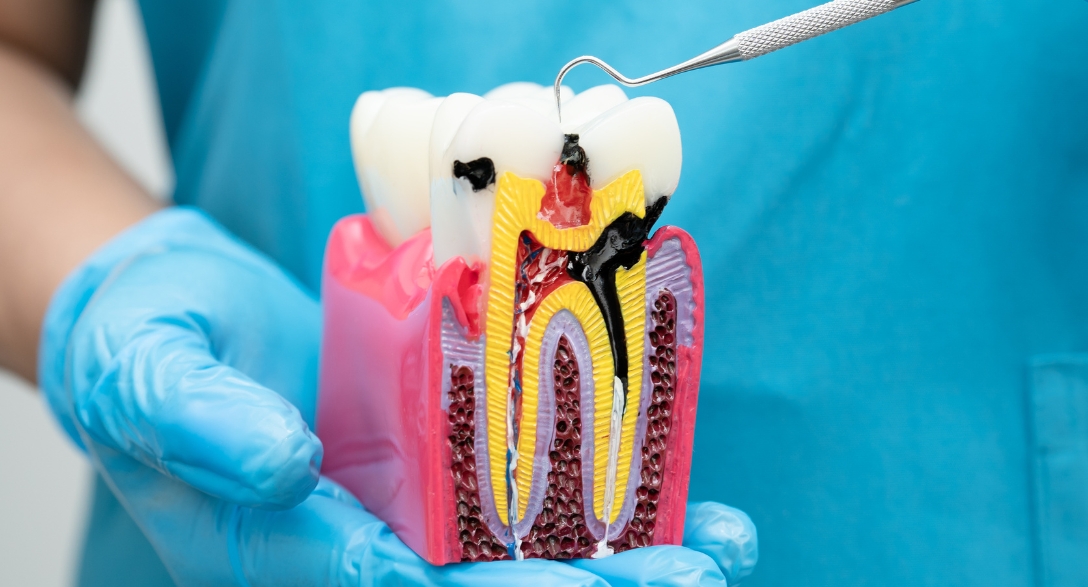
Small cavities with only mildly damaged tooth enamel often don’t cause pain. Since enamel lacks nerves, a filling in this area may be painless. - Dental Cleanings and Deep Scaling
Routine cleanings or deep scaling for gum disease may not necessitate anesthesia unless you have extreme tooth sensitivity. - Orthodontic Adjustments and Bonding Procedures
Attaching brackets, adjusting braces, or minor teeth reshaping rarely cause discomfort that requires anesthesia. - Cementing Crowns or Veneers
Attaching a crown or veneer to a healthy tooth doesn’t cause much pain, so the dentist might suggest ditching anesthesia in this scenario.
Factors That Affect Pain Sensitivity
One thing to consider during oral treatment is that not every patient experiences dental procedures similarly. Some other factors that also play a role in determining the need for anesthesia are:
- Nerve Exposure
The intense pain signals during treatments make anesthesia essential if tooth decay reaches the dentin. - Personal Pain Threshold
Some people tolerate dental procedures better than others. People with tooth sensitivity may need anesthesia more than others. - Past Dental Trauma
If a patient has already undergone painful dental experiences, it can heighten tooth sensitivity.
Dentist’s Assessment: When It’s Safe to Skip Anesthesia
Dental anesthesia is not a luxury; it’s a necessity. Dentists closely evaluate whether a patient can tolerate an oral procedure without anesthesia. They monitor:
- The depth and location of the cavity or dental issue.
- The patient’s ability to remain still during the treatment and pain threshold
- Availability of alternative options like desensitizing gels or sprays to numb the treatment site temporarily
- The possibility of laser dentistry to treat decay without cuts or surgical excision
- Offering mild sedatives or nitrous oxide to help patients relax while awake
Skipping anesthesia during oral treatment is sometimes possible, but patient comfort should always come first. Dentists discuss anesthesia-free oral care options with patients to ensure a pain-free experience. If unsure about needing anesthesia, schedule a consultation with us to discuss your treatment procedure. Call today to learn more!