Call Us Today 817-737-7668

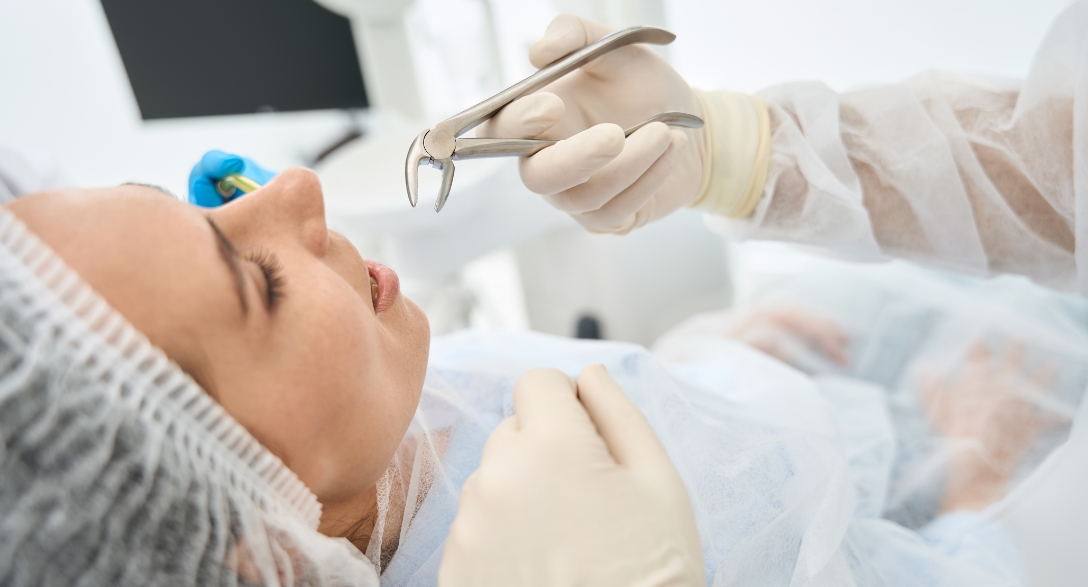
The thought of wisdom tooth removal can feel overwhelming, especially with concerns like nerve damage. It’s natural to worry about anything that involves surgery in the mouth. After all, nerves play a huge role in your ability to smile, talk, and eat. But with the right dental care and an experienced oral surgeon, the risk of permanent nerve issues remains very low. Let’s take a closer look at the facts so you can feel confident and informed before your procedure.
What Happens During Wisdom Tooth Removal?
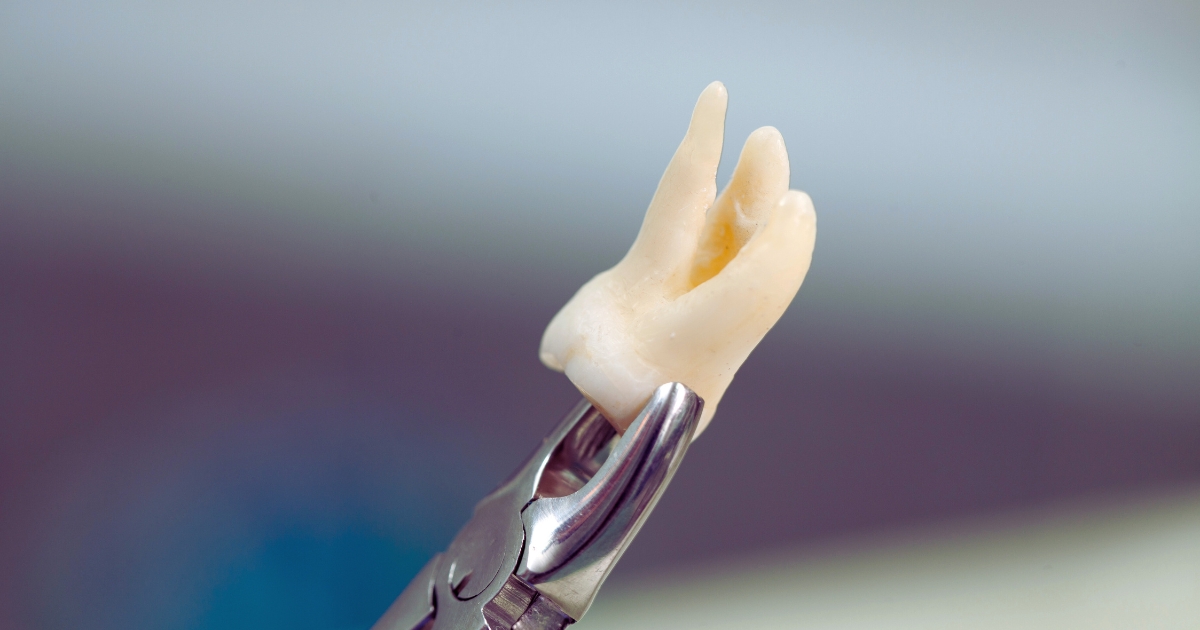
Wisdom teeth, also called third molars, often don’t have enough room to grow properly. This can lead to pain, infections, or even damage to nearby teeth. When dentists recommend removing them, it’s to protect your long-term oral health.
During the procedure:
- Local anesthesia numbs the area to prevent pain.
- If the tooth is impacted, a small incision is made in the gum.
- The dentist may divide the tooth into sections for easier removal.
- After the tooth is taken out, the area is cleaned and stitched if needed.
What Is Nerve Damage and Why Do People Worry?
Underneath your gums, nerves help control the movement of your lower lip, chin, and tongue. One important nerve — the inferior alveolar nerve — runs near the roots of the lower wisdom teeth.
Occasionally, during extraction, this nerve can be irritated or bruised. This might cause numbness, tingling, or slight sensitivity after the surgery. However, it’s reassuring to know that serious long-term nerve injury is rare with modern dental techniques.
If you have deeply impacted teeth or your dental X-rays show the tooth is too close to the nerve, your dentist will discuss extra precautionary steps with you.
How Common Is Nerve Damage During Wisdom Tooth Removal?
Most patients recover without any nerve complications. Long-term oral issues post-surgery are rare when a team of licensed professionals handles your case.
Here are a few factors that may slightly raise the risk:
- Teeth deeply embedded in the jawbone
- Roots wrapped closely around nerves
- Severe infections near the wisdom tooth
- Previous dental trauma in the area
Even in these cases, dentists use imaging tools like dental X-rays and 3D scans to carefully plan surgery and avoid nerves.
What Are the Signs of Nerve Issues After Removal?
Mild tingling, swelling, or numbness can happen right after surgery. These symptoms usually fade as your mouth heals. However, if you notice numbness that lingers for more than a few weeks, or any changes in speech or chewing, let your dentist in Dallas know right away.
Early care can often help speed up recovery if nerve irritation happens.
If you’re specifically worried about nerve damage during wisdom tooth removal, talk openly with your dental surgeon before surgery.
How Can You Protect Your Oral Health?
Choosing a trusted dental team matters. Here’s how you can feel more secure:
- Always pick a licensed oral surgeon or dentist specializing in wisdom teeth.
- Make sure your dental provider reviews your X-rays thoroughly.
- Follow all post-operative care instructions, including managing swelling and avoiding hard foods.
- Attend all follow-up appointments to monitor healing.
While nerve damage sounds scary, the reality is that modern dentistry has made wisdom tooth removal much safer than ever before. With careful planning, advanced surgical techniques, and open communication with your dental team, you can approach your surgery with confidence.