Call Us Today 817-737-7668

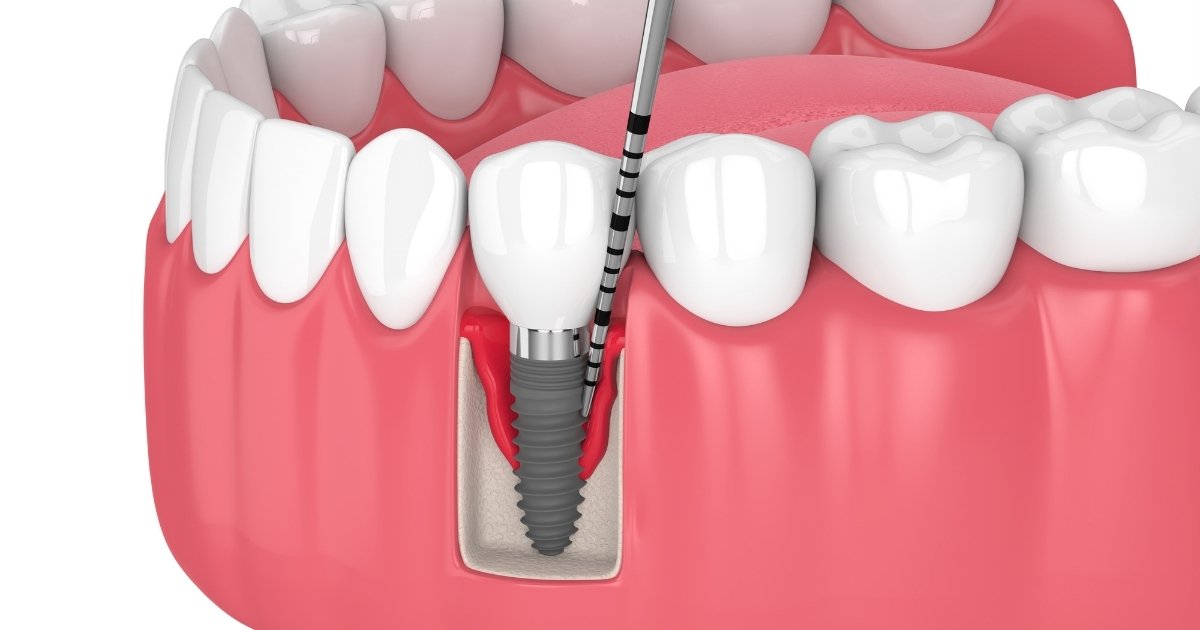
Peri-implant disease is not a fancy dental word. It’s your implant’s worst fear. Just imagine you are spending money on a flawless smile, only to have it taken away by avoidable damage. Peri-implant disease creeps in quietly and does irreversible damage. Patients mostly overlook early warning signs until it’s too late for easy fixes.
The true villain is not the implant. It’s the lack of knowledge and prevention. Once damage has started, treatments are expensive, stressful, and not consistently successful. Preventing peri-implant disease is wiser, safer, and easier than repairing it.
Causes and Risk Factors of Peri-implant Disease
Peri-implant disease starts with inadequate oral hygiene that makes bacteria flourish around implants. Smoking has a significant multiplier effect as it inhibits blood supply and slows down tissue healing.
Uncontrolled diabetes has the ability to weaken the immune response and make infection more likely. Poor implant placement or defective restorations may cause plaque traps and inflammation.
A history of periodontal disease predisposes the tissues to peri-implant infection. Missing regular check-ups with your dentist means losing early detection of this disease.
All of these can interact and render even the highest-quality implants at risk. You must understand these risks to construct effective prevention behaviors. Peri-implant disease, in most instances, is avoidable with routine maintenance and professional care. The elimination or reduction of these risk factors provides your implants with a healthier future.
Early Signs and Symptoms to Watch Out For
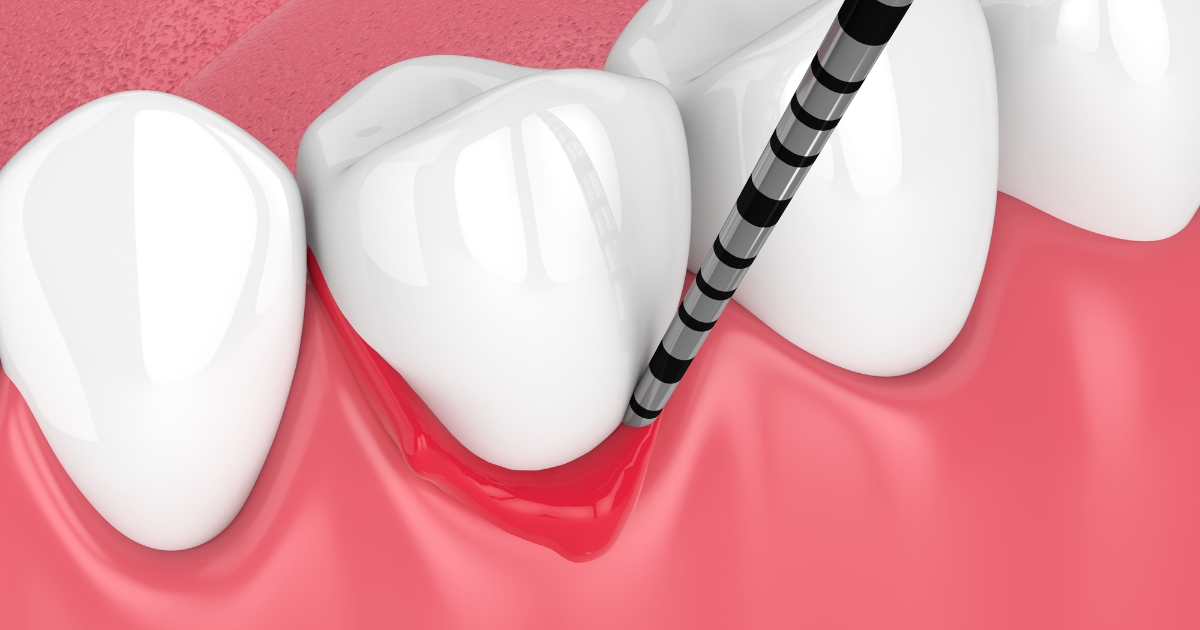
Peri-implant disease does not always scream for attention. It often whispers with subtle signs. Gums can be red, inflamed, or bleed lightly when you brush around the implant area. A bad taste that persists or foul breath may be a premonitory sign. Pain or soreness when you chew can signal inflammation of underlying tissue. Pus in the implant area is a sign of active infection.
Implant loosening is a late-stage symptom. Typically, it represents severe bone loss. Identifying these signs early gives you the greatest opportunity to reverse the disease.
Mucositis, the first phase, is reversible with early professional treatment and proper hygiene. If you refuse to notice symptoms, no matter how slight, you permit the situation to get worse and more complicated.
Keeping in touch with your oral health is vital. It enables one to follow tips to avoid peri-implant disease. Even if all is well, minor changes may be the start of peri-implant disease. Don’t wait for it to be too late. Prevention begins with awareness.
The Best Preventive Strategies
a. You Must Keep Excellent Oral Hygiene
Cleaning daily is your first line of defense against this disease. You must clean around the implant gently. Consider using a soft-bristled or electric toothbrush while cleaning.
Flossing or interdental brushes significantly eliminate debris between teeth and implants. An antimicrobial mouthwash can decrease pathogenic bacteria and promote tissue health.
These few easy tips to avoid peri-implant disease are important and ensure long-term success.
b. Consider Regular Dental Check-ups
Professional cleanings remarkably eliminate plaque you cannot remove at home. Your dentist looks for early signs of this disease and offers focused care. You must be prepared for specialized instruments and techniques to safeguard your implant surface.
Regular visits prevent complications from becoming severe or irreversible. Scheduling check-ups is the most straightforward advice to prevent this disease.
c. Focus on Lifestyle Changes
If you quit smoking, it will halve your risk of implant-related infections. Healthy blood sugar levels are significant in keeping your immune system in top shape.
Lifestyle changes are good for general health. It is necessary for peri-implant disease avoidance. A healthy body is synonymous with a healthy mouth—everything is related.
d. Opt for Implant-Specific Home Care Tools
You can use water flossers to floss under the gumline without harming the implant. Rubber tips and implant-safe brushes significantly enhance hygiene and make it more effective and gentle.
Consider selecting products formulated for implants to combat inflammation and bacteria accumulation. You should adapt your instruments to the needs of your implant. Prevention depends upon this step.
e. You Must Work With a Qualified Dental Team
Successful implants begin with professional placement by competent professionals. Ongoing guidance and custom care plans significantly keep your implant health on track.
Qualified dentists offer personalized tips to avoid peri-implant disease based on your risks. When you partner with professionals, it means your implants get the best chance at long-term survival.
A healthy implant is an investment for a lifetime. Don’t let bad habits cut its lifespan short. Open communication with our dental team is the key to long-term implant success.
Guard your smile by preventing the issue before it even starts. Peri-implant disease isn’t part of your story—select prevention today.